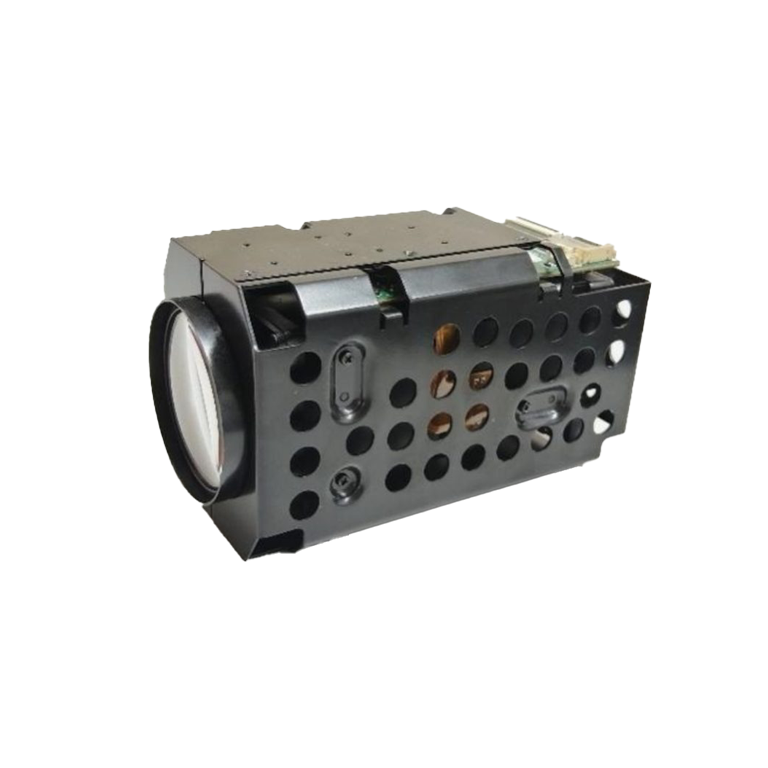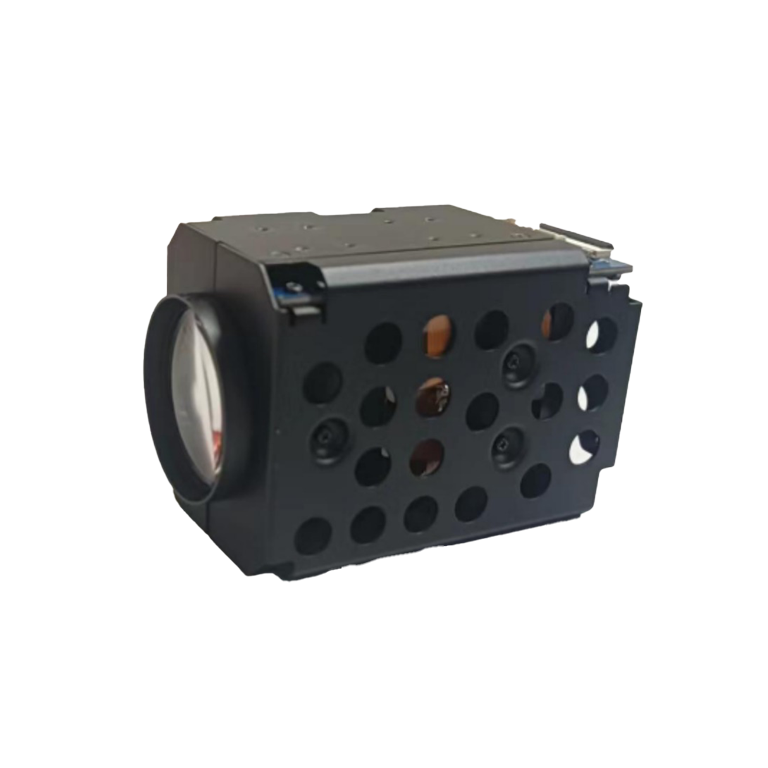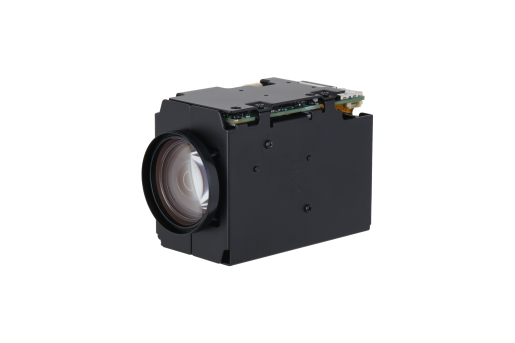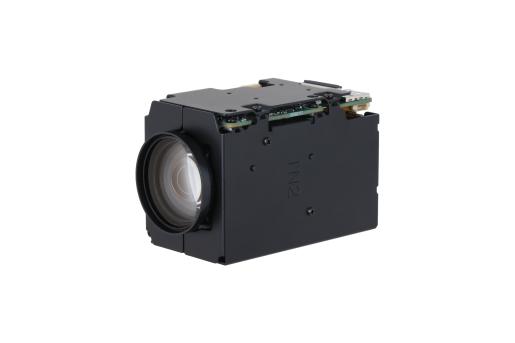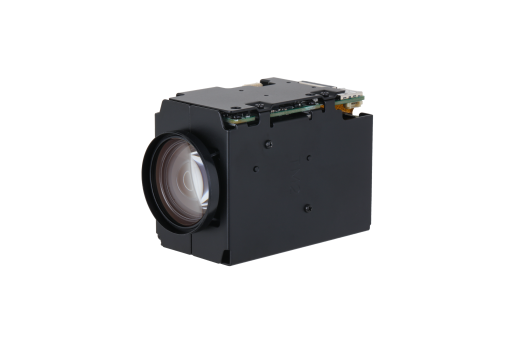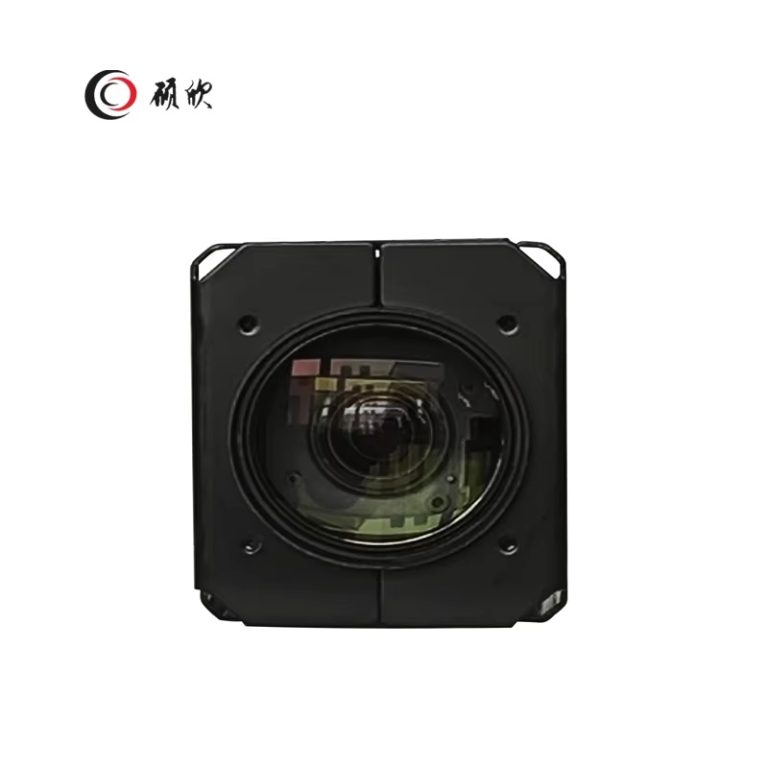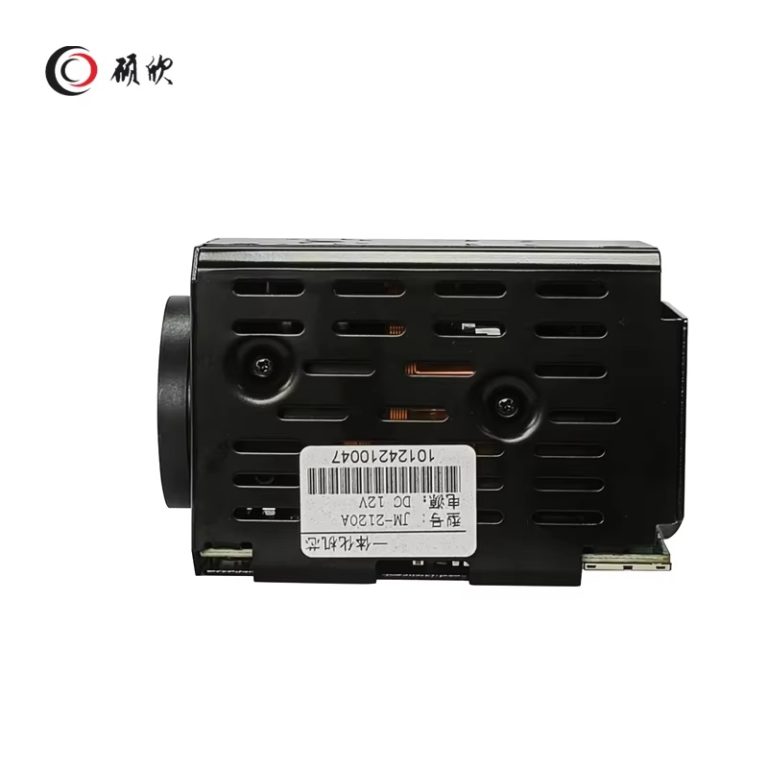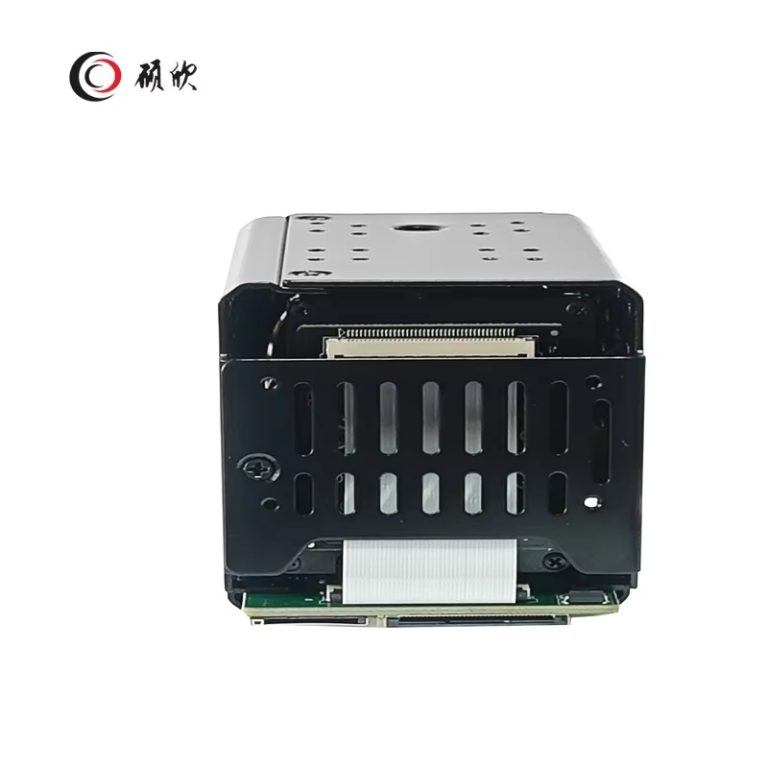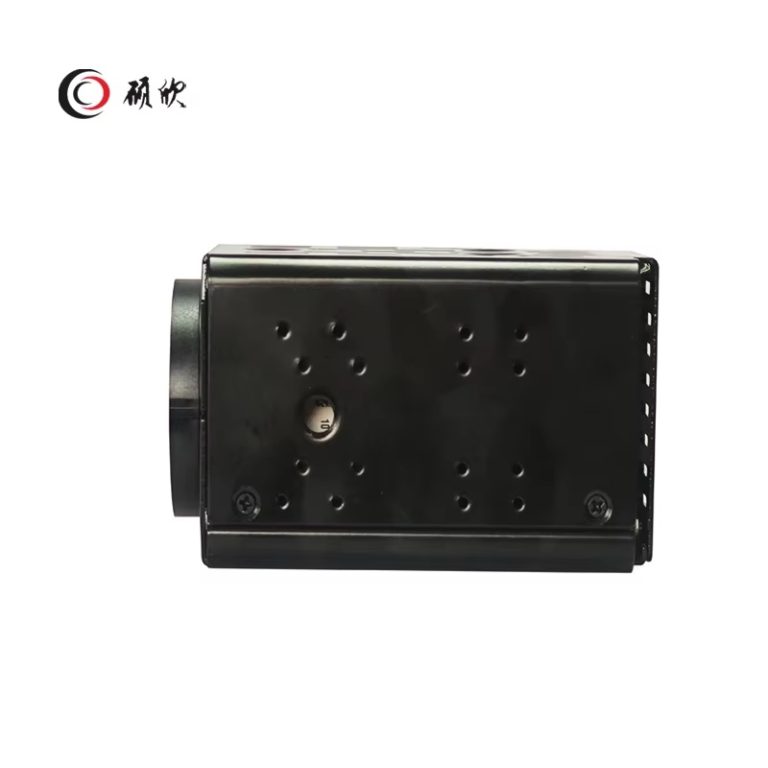
The first decision is whether the host has room for the lens movement, board and cable connection. Once that mechanical fit is clear, the 5–125 mm autofocus lens can be assessed against the required field of view. Resolution, frame-rate and PAL/NTSC choices are set out in the table.
The bare module has no stated outdoor rating, and its Weight row is empty. Both values remain unresolved; another camera is not a valid source for them.
Begin with the viewing task. Define the wide view, the closest useful view and how quickly the operator must move between them. Then decide whether viewing and recording need separate streams. The module can produce as many as three, with encoding options shown in the specification table.
Lighting controls should follow the scene rather than drive the purchase. WDR, highlight and backlight compensation, defog, anti-flicker and day/night functions are available. They provide adjustment range; they cannot make every target look the same under different light.
Place the 36-pin FFC/FPC connection on the host drawing and check cable orientation and bend space. After that, choose serial or network control from the interface rows in the table. If the finished product will use alarm or audio signals, mark those connections as well.
Protocol names identify a route for integration; they do not settle the entire interface. Compare the commands and streams required by the host with the functions the module exposes. Apply the same approach to local storage: capacity is one input, while recording behavior comes from stream settings and finished-system software.
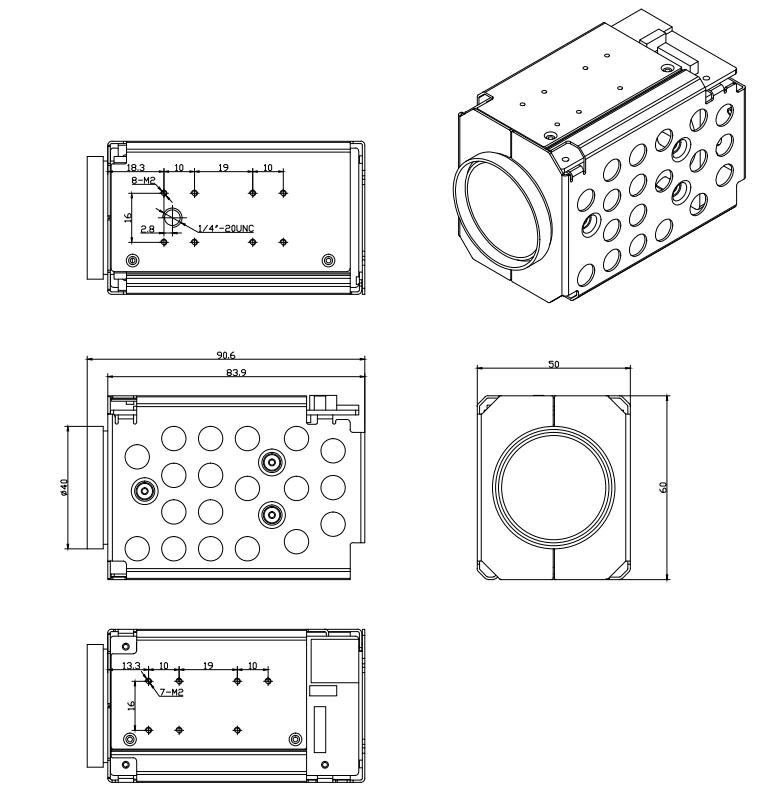
Body dimensions alone are not the enclosure envelope. Reserve extra room for the connector, cable and moving lens. On the electrical side, allocate power from the dynamic figure in the table rather than the lower static value.
The temperature and humidity rows describe the module. The finished camera still needs its own thermal path, condensation control and enclosure rating.
Zoom ratio is only one input. Compare the field of view, stream format, control route, available space and power budget together. Other imaging options are grouped in the Camera Module category.
| JM-2125A | |
|
Module de caméra |
|
| Capteur d'image | Sony 1/2.8″ CMOS |
| Zoom optique | 5-125mm,25X Zoom optique |
| Obturateur électronique | 1/25~1/100000 |
| Mini. L'éclairage | Color@0.01Lux (AGC ON),B/W@0.05Lux(AGC ON) |
| Angle de vue | 59,6-3,5° (large) |
| Distance d'approche | 100mm-200mm(Wide-Tele) |
| Vitesse du zoom | 3 secondes (optique, large~télé) |
| Jour / nuit | Commutation automatique du filtre ICR, algorithme d'image supporté, période de temps, déclenchement par port série |
|
Paramètres vidéo |
|
| Flux binaire principal | PAL : (1920 × 1080,1280 × 720)25fps |
| NTSC : (1920 × 1080,1280 × 720)30fps | |
| Flux partiel | PAL:(720×576,352×288)25fps |
| NTCS:(720×480,352×240)30fps | |
| Se concentrer | Mise au point automatique/manuelle/semi-automatique/unique (efficace en mode automatique) |
| WDR | 120 dB |
| Ajustement de l'image | Luminosité, contraste, saturation, netteté, chrominance |
| Réglage de l'image | Masque de zone, WDR, anti-flicker, désembuage, miroir, mode allée, rotation, BLC, HLC, compensation de l'exposition, compensation des pixels défectueux, récupération de la perte de puissance, correction de la distorsion, DIS, position 3D |
|
Fonction de compression du réseau |
|
| Alarme intelligente | Détection de mouvement, Caméra grisée, Réseau déconnecté, Conflit d'IP, Erreur de disque dur, Disque dur plein |
| Protocoles d'appui | TCP/IP,ICMP,HTTP,HTTPS,FTP,DHCP,DNS,RTP,RTSP,RTCP,NTP,SMTP,SNMP,IP |
| Protocoles d'accès | ONVIF,GB/T28181,Protocoles domestiques grand public |
| Fonction | Double flux, protection par mot de passe, heartbeat, liste noire et liste blanche d'adresses IP, stockage local en cas de déconnexion, transmission continue en cas de déconnexion, prévisualisation de 20 canaux au maximum |
| Norme de compression | H.264/H.265: Baseline ,Main Profile ,High Profile,MJPEG |
| Débit binaire de sortie compressé | 64 Kbps~16Mbps |
| Normes de compression audio | G.711A、AAC、G711U、G726 |
| Taux de compression audio | 8/16Kbps |
|
Définition de l'interface |
|
| Stockage | Stockage local par carte TF 256G (classe 10 recommandée) |
| Interface FPC 36 broches | FFC à 36 broches (alimentation, port réseau, voyant lumineux, RS485, RS232, SDHC, entrée/sortie d'alarme, entrée/sortie de ligne, réinitialisation, interface de données de la carte SD) |
| Ports d'extension | 1 interface USB, 1 interface URAT |
| Définition de la communication | Interface RS232 (protocole VISCA), interface RS485 (protocole Pelco) |
|
Général |
|
| Alimentation électrique | DC 12V±25% |
| Consommation d'énergie | Statique : 2,5w Dynamique : 4,5w |
| Température et humidité | -20℃ - +60℃,Humidité inférieure à 95% (pas de condensation) |
| Dimension | L91.8*L50*H60mm |
| Poids | |
Dimension
Send the field of view, stream requirement, control route and available enclosure space. Add the power budget, storage plan and any alarm or audio use. For a moving assembly, include the host drawing and cable route.
No. The finished product still needs an enclosure, mounting, environmental protection and external connections.
It reaches 1920 × 1080 at 30 fps and supports up to three streams. Encoding choices are shown in the table.
Serial and network control are available. Use the table to match the required protocol and the 36-pin connection to the host.
Yes. It accepts TF/SD storage up to 256 GB, with Class 10 recommended. Software and stream settings determine recording behavior.
Use Contactez-nous to send the host layout, power input, controls, stream requirement and operating environment.