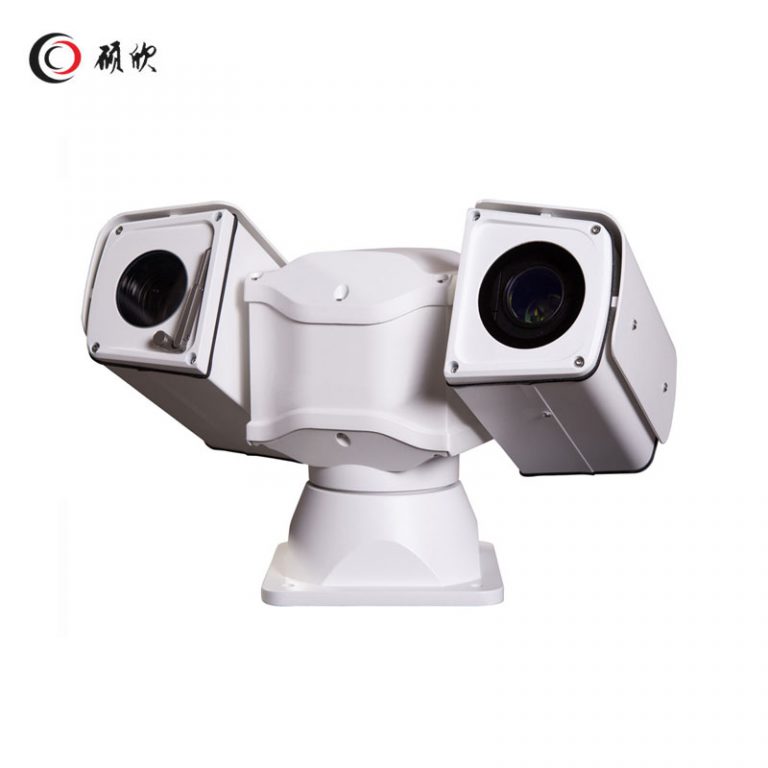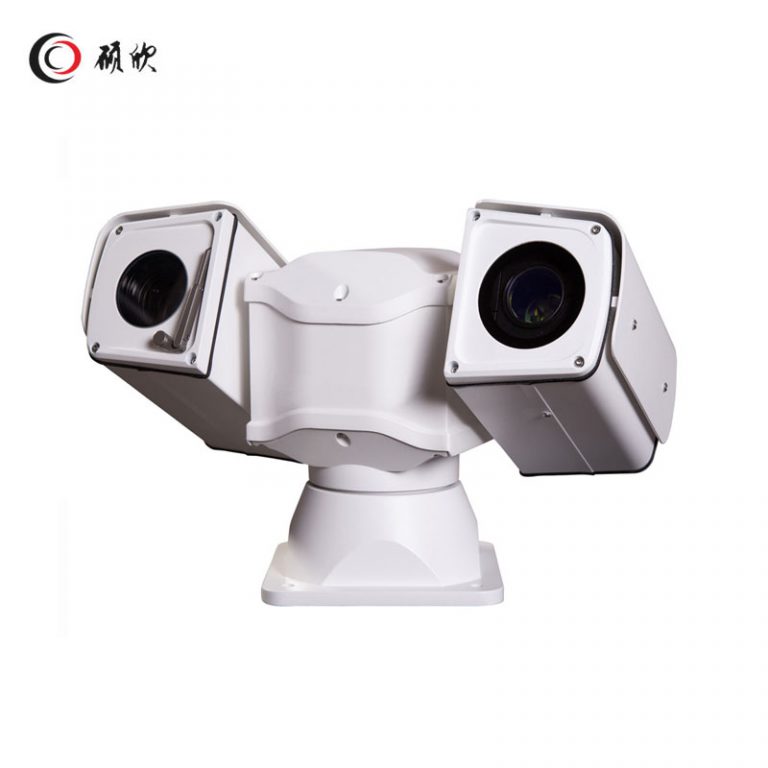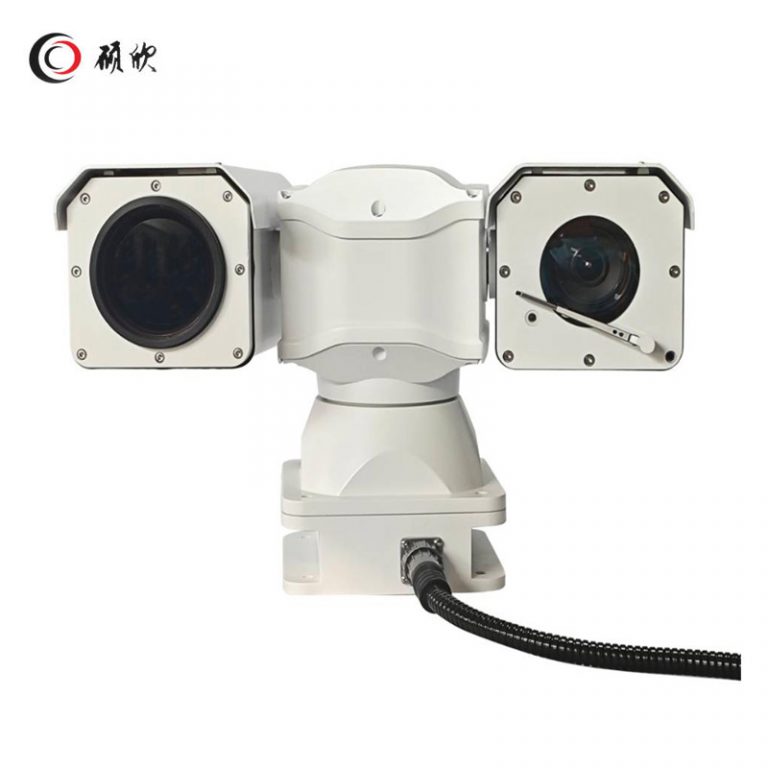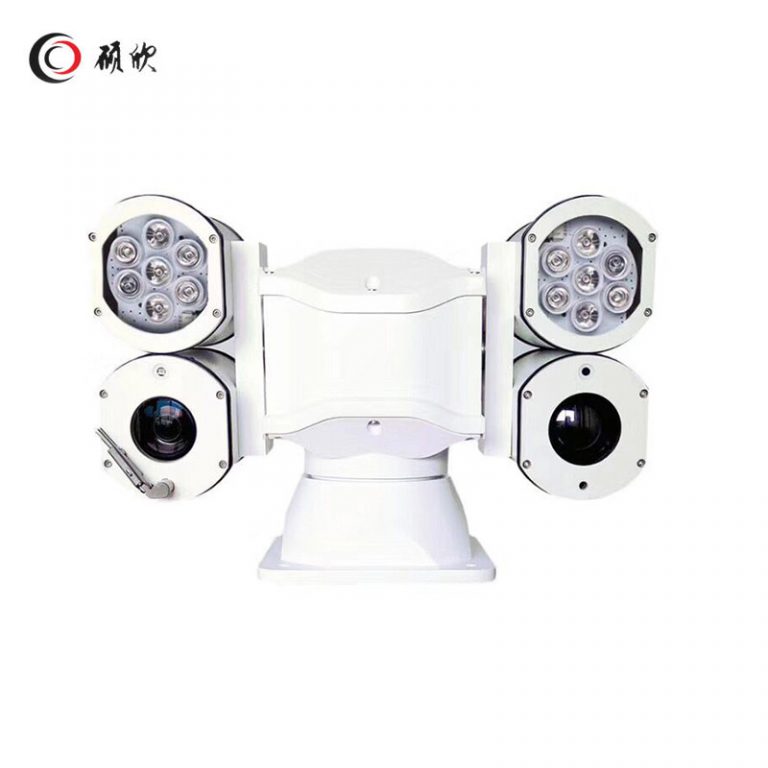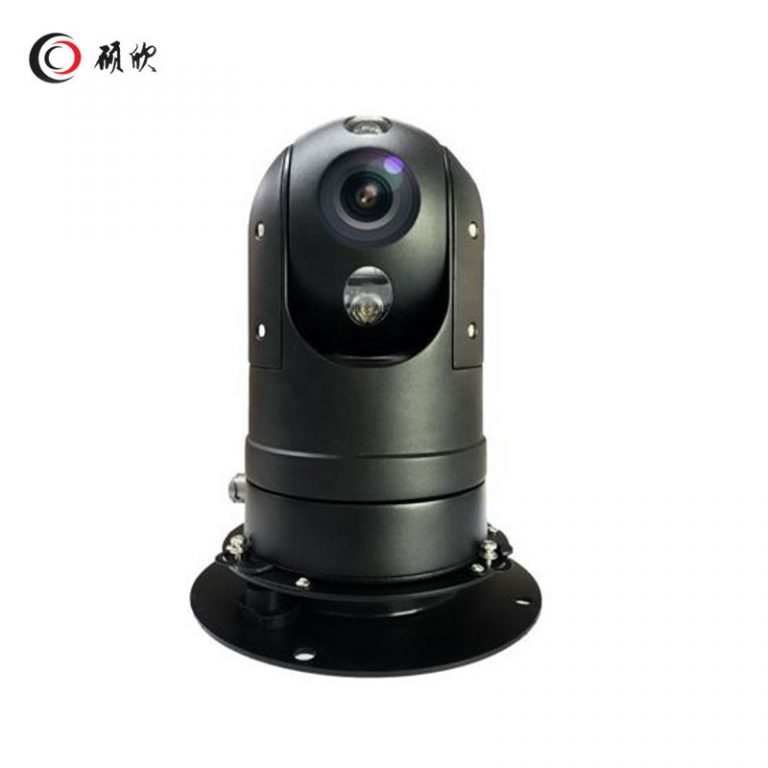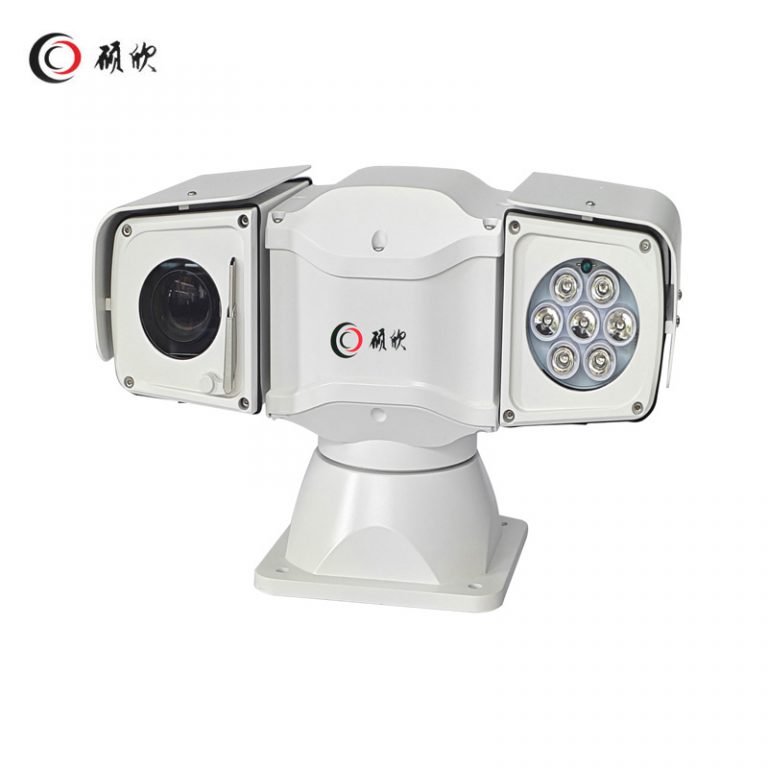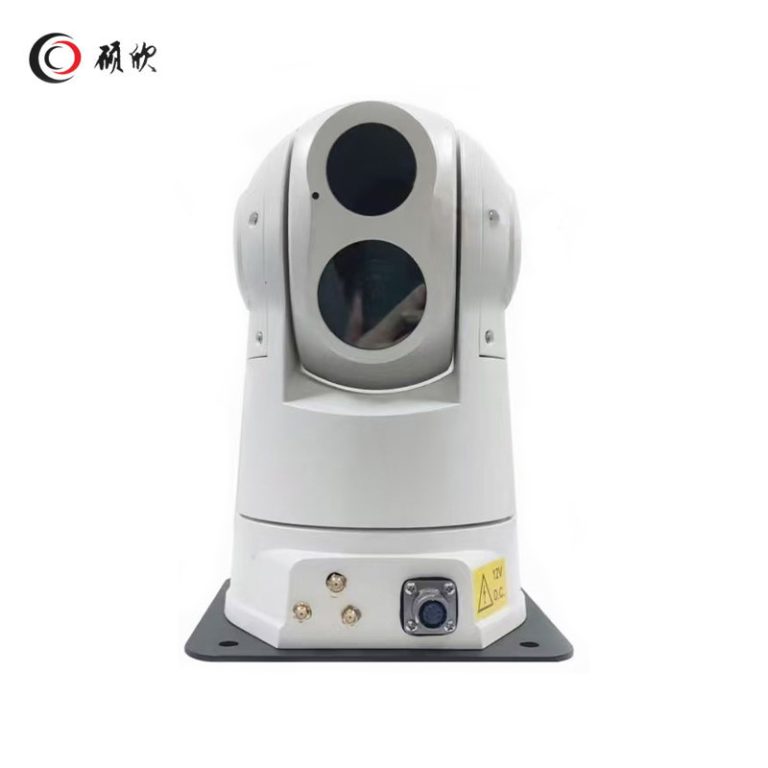
WL-HT-HD-RCX combines a 2 MP visible channel with uncooled thermal imaging. Confirmed functions include 33× visible zoom, a 25 mm thermal channel, continuous pan, ONVIF, RS485, homing, patrol, line scan and defrost/defog. Coordinates and lens magnification can be displayed.
Select WL-HT-HD-RCX around safe visible/thermal handoff. Define that task before comparing options.
Build the operator sequence around safe visible/thermal handoff; state the view, detail and mode change needed.
Mobile law enforcement, fire or emergency command, road patrol, urban-management work and special-vehicle inspection are listed applications. The page does not settle the thermal option, weight or mounting hardware for a new build.
Put pending weight and mount on the drawing and leave unresolved mechanics pending.
Map ONVIF and RS485 to host functions one by one rather than relying on names.
Check installed power and cabling; keep unconfirmed thermal variants, product weight and mounting hardware separate until confirmed.
Send the required visible-to-thermal handoff, pending weight and mount details, plus the ONVIF and RS485 control needs. Flag every unconfirmed thermal option for written confirmation.
Compare WL-HT-HD-RCX with other options in the Vehicle PTZ Camera category. The useful comparison is the visible-to-thermal handoff, ONVIF or RS485 control route and available installation space, not an unconfirmed option value.
Begin with safe visible/thermal handoff.
Check ONVIF and RS485 against required host functions.
Show pending weight and mount, cables and clearances.
Keep thermal option mapping, product weight and mounting-hardware scope unresolved until written confirmation.
Write down when the operator uses the 2 MP visible channel and when the 25 mm thermal channel takes over. The 33× visible zoom, homing, patrol and line-scan functions can then be assigned to that workflow. This avoids presenting a list of functions without showing which ones the project will call.
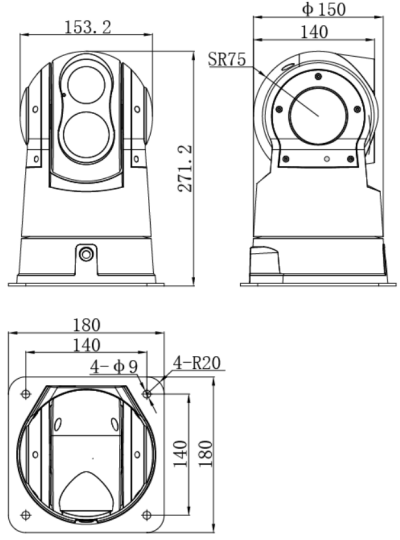
The available sources do not reliably map the thermal variants or establish product weight. Use the retained dimension image as a spatial reference only. Weight, mounting hardware and the final thermal variant must come back in writing before the support design is released.
For control, separate ONVIF network operations from RS485 commands and list the required actions on each route. The defrost/defog device, coordinate display and lens-magnification display are page facts; their use should still be tied to the operator requirement rather than assumed for every installation.
The approved request should identify the visible/thermal handoff and the selected control route while leaving unverified mechanical values open. Do not supply a weight or mount from another PTZ. A final installation drawing can be completed only after the thermal option, unit weight and mounting hardware are confirmed for this build.
Use Contact Us to send the visible-to-thermal handoff, installation drawing and required functions. Identify thermal variants, product weight and mounting hardware as pending.