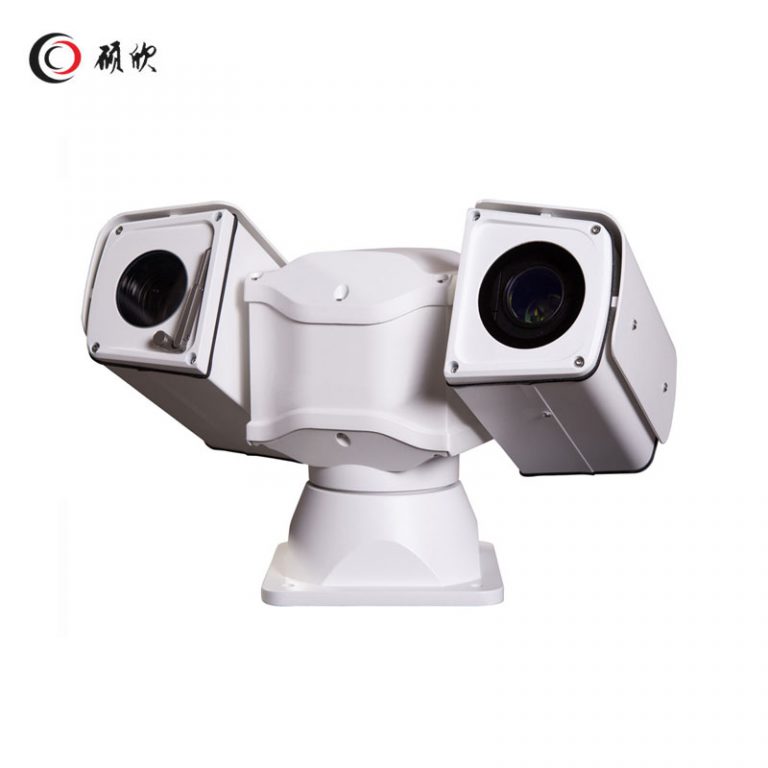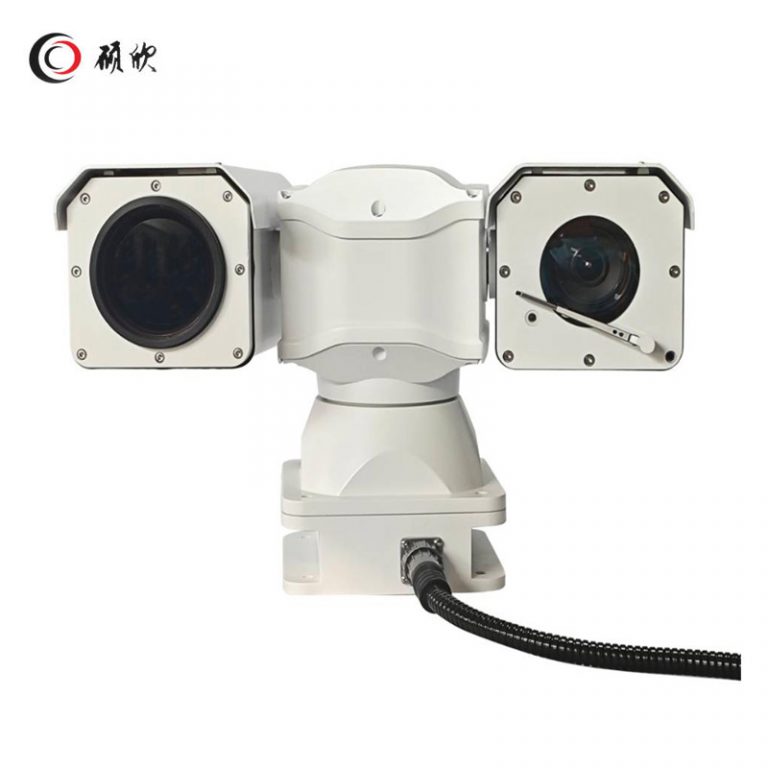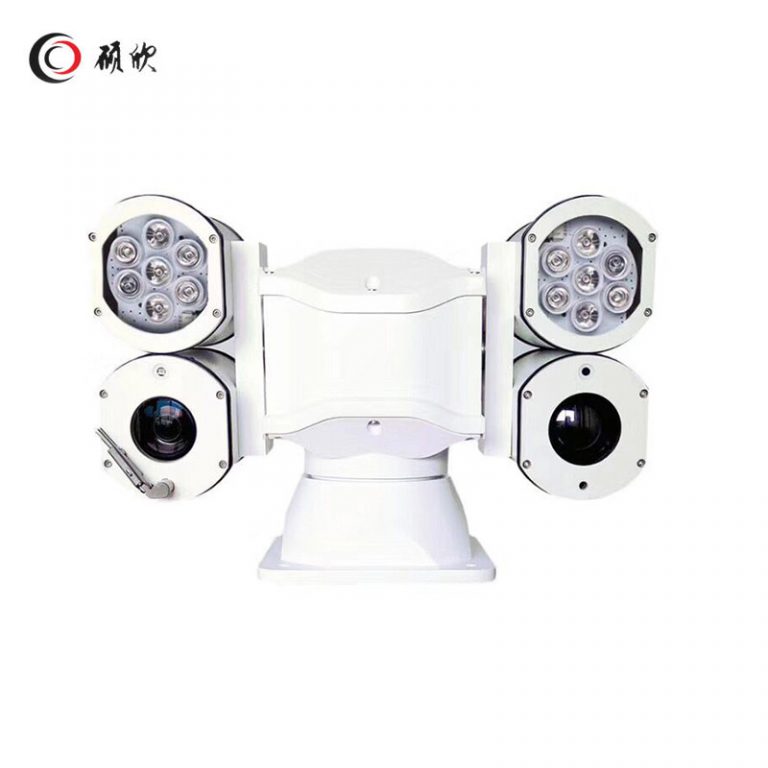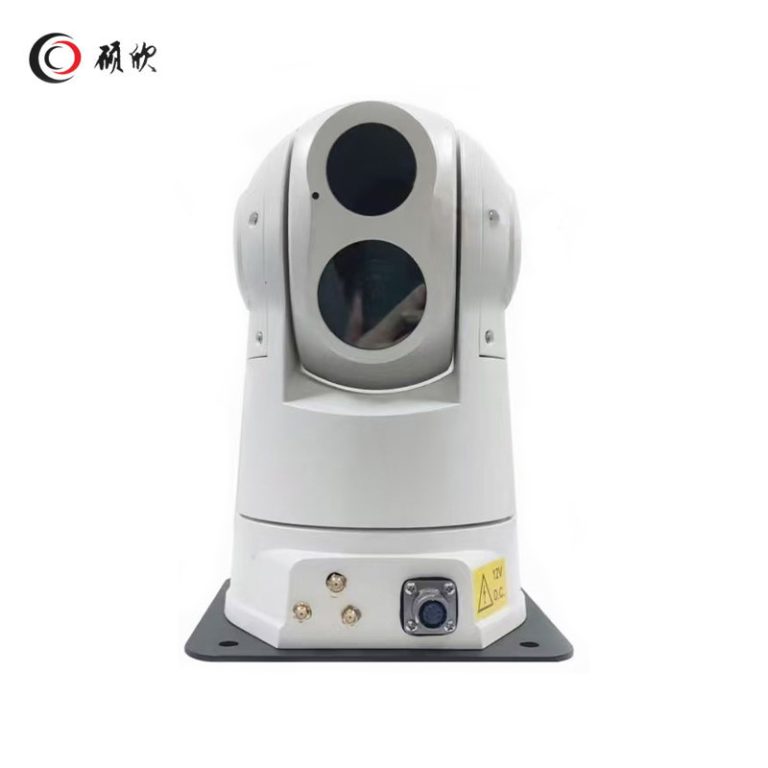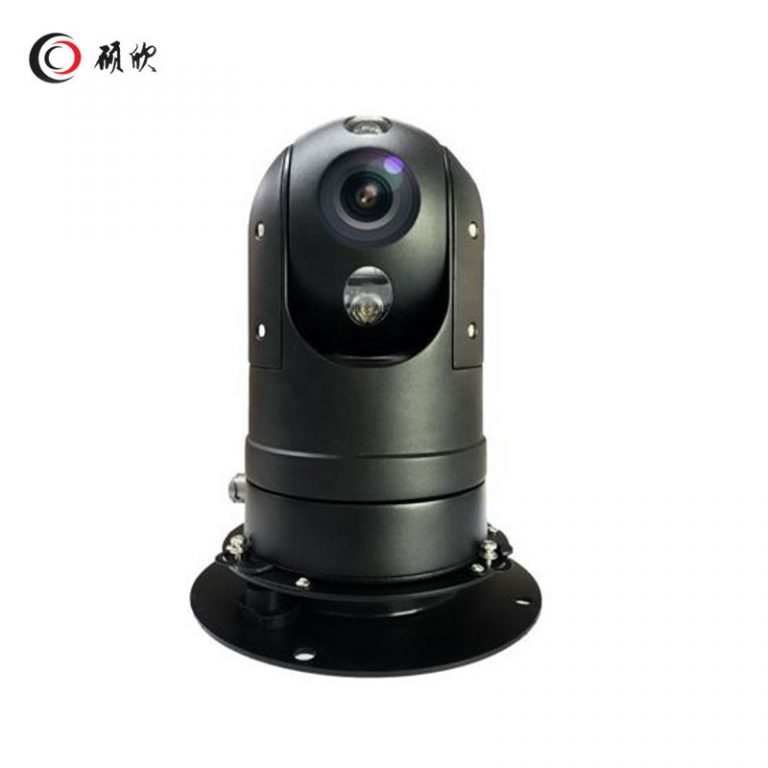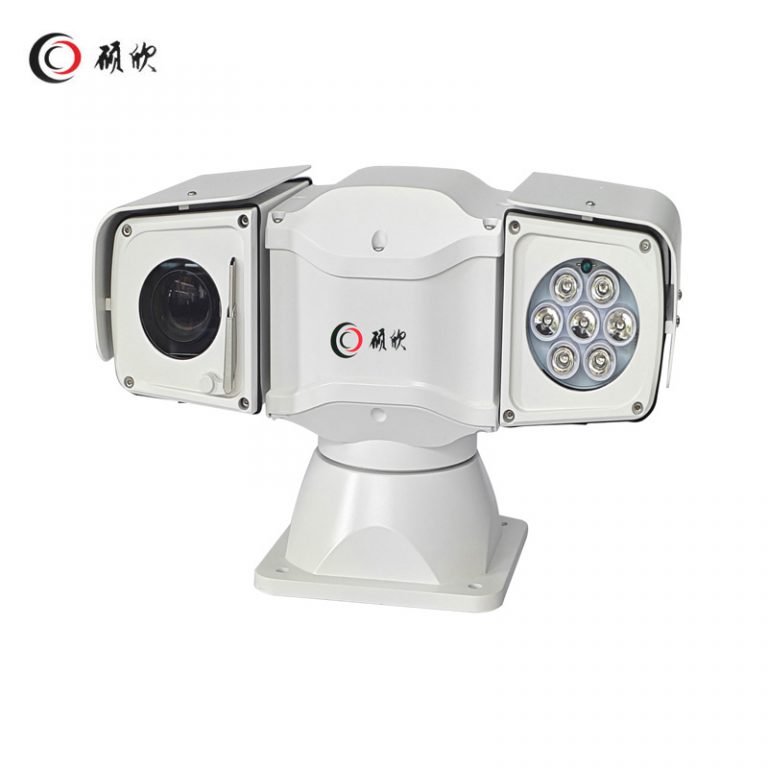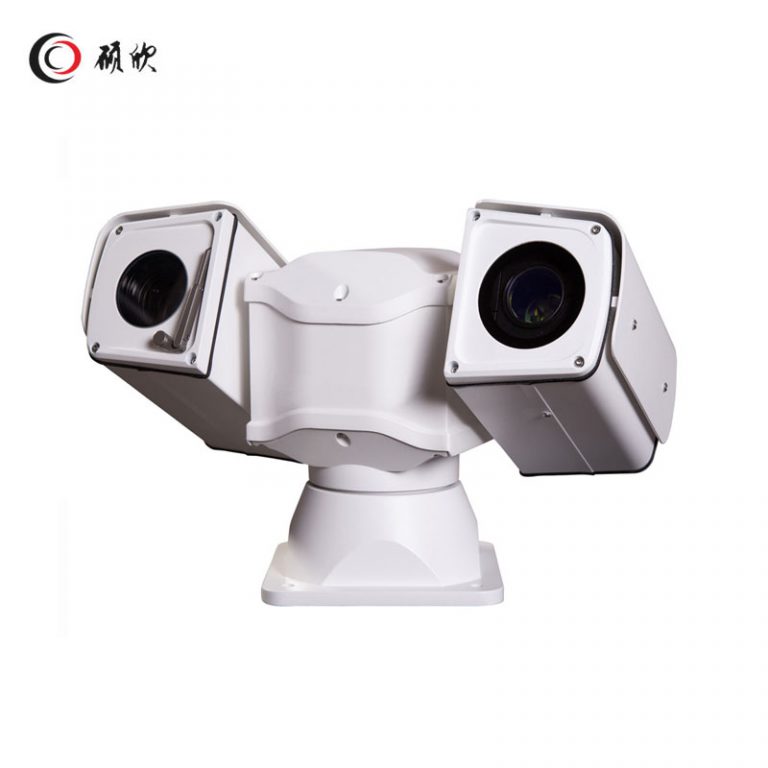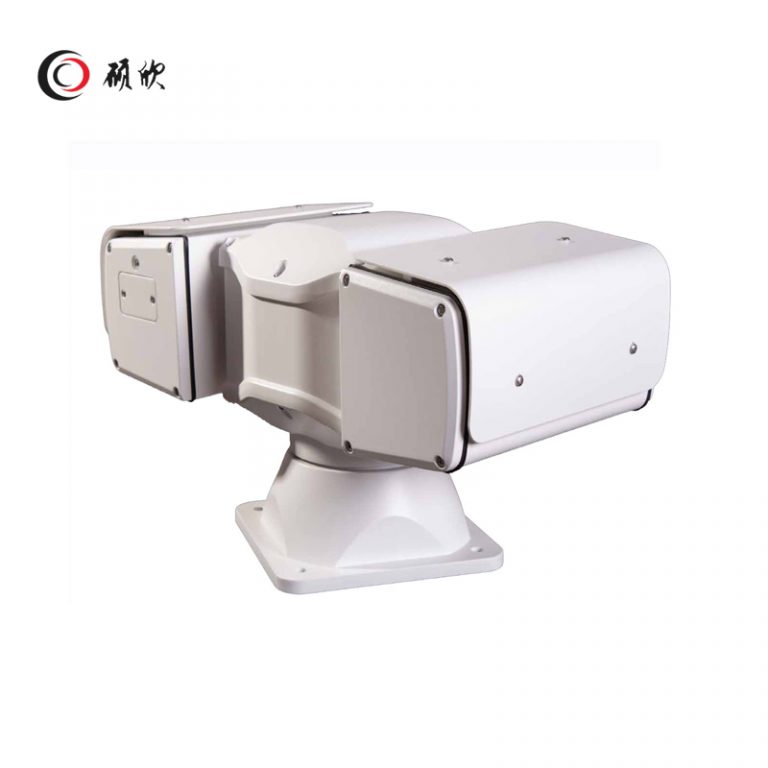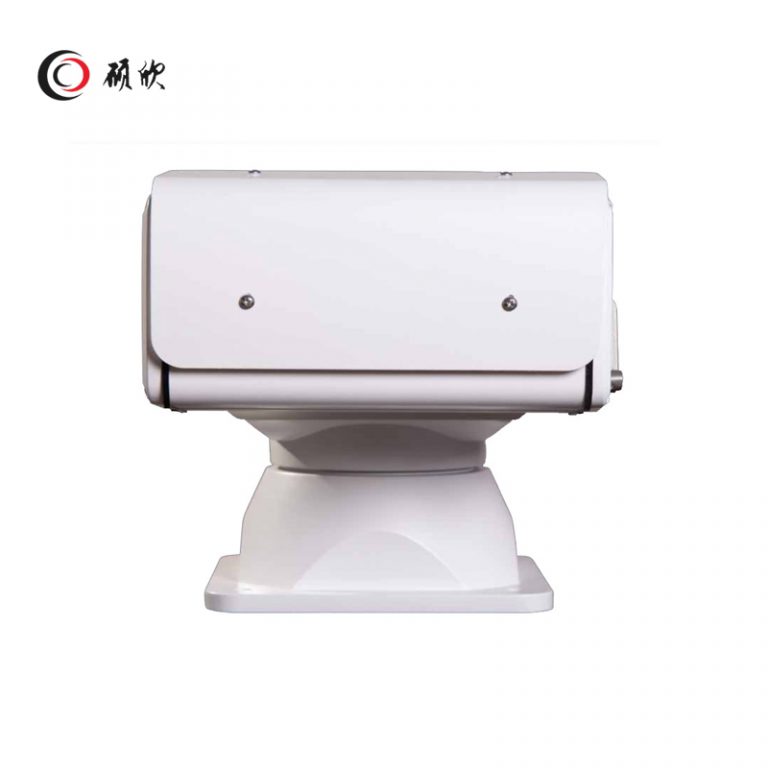
WL-TW10-HD-RCX provides 2 MP visible imaging and 640 × 512 thermal imaging with a 50 mm thermal lens. Continuous pan, ONVIF/SDK, web or RS485 control, DC 12 V vehicle power, heated glass and shock absorbers are supported facts. No visible focal length is published because the sources conflict.
Select WL-TW10-HD-RCX around thermal task with unresolved visible lens. Define that task before comparing options.
Build the operator sequence around thermal task with unresolved visible lens; state the view, detail and mode change needed.
Special vehicles, mobile inspection, roads, perimeters, airports, coasts, industrial sites, ships, power lines, aquaculture and substations are named applications. A real project must still confirm the visible lens and its own mounting arrangement.
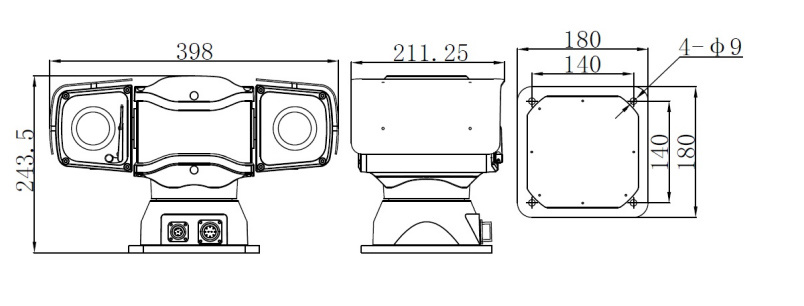
Place the camera outline from the dimension drawing on the layout and keep unresolved mechanics pending.
Map web, RS485 and ONVIF/SDK to host functions one by one rather than relying on names.
Check installed power and cabling; keep both focal conflicts separate until confirmed.
Send the thermal task, unresolved visible lens, dimension drawing and required web, RS485 or ONVIF/SDK functions; request confirmation of the visible lens.
Review WL-TW10-HD-RCX within the Vehicle PTZ Camera category by starting with the thermal task. Keep the disputed visible focal range outside the comparison while checking ONVIF, SDK or RS485 needs and the dimension drawing.
Begin with thermal task with unresolved visible lens.
Check web, RS485 and ONVIF/SDK against required host functions.
Show the dimension drawing, cable exits, movement space and installation clearances.
Keep both focal conflicts unresolved until written confirmation.
The supported thermal baseline is 640 × 512 with a 50 mm lens. Build the observation requirement around that known channel and the 2 MP visible image, but do not publish a visible focal range: the available sources disagree. Ask for the visible lens to be identified for the exact unit being quoted.
Use the retained dimension drawing to reserve camera and cable space. Continuous pan, heated glass and shock absorbers are established page features. Mounting clearance still needs to be checked against the intended vehicle or fixed support rather than inferred from those features.
DC 12 V, web control, RS485 and ONVIF/SDK provide the integration starting points. State the thermal and visible switching task first, then list the commands the host must issue. The disputed lens figures should not enter the interface schedule or the mechanical drawing.
The request is ready when the thermal task, host commands and installation space are defined without selecting either conflicting visible focal range. Confirm the visible lens in writing before the quote is treated as final. Check that the dimension image and the project drawing refer to the same physical arrangement.
Use Contact Us to send thermal task with unresolved visible lens, the drawing and required functions. Identify both focal conflicts as pending.