
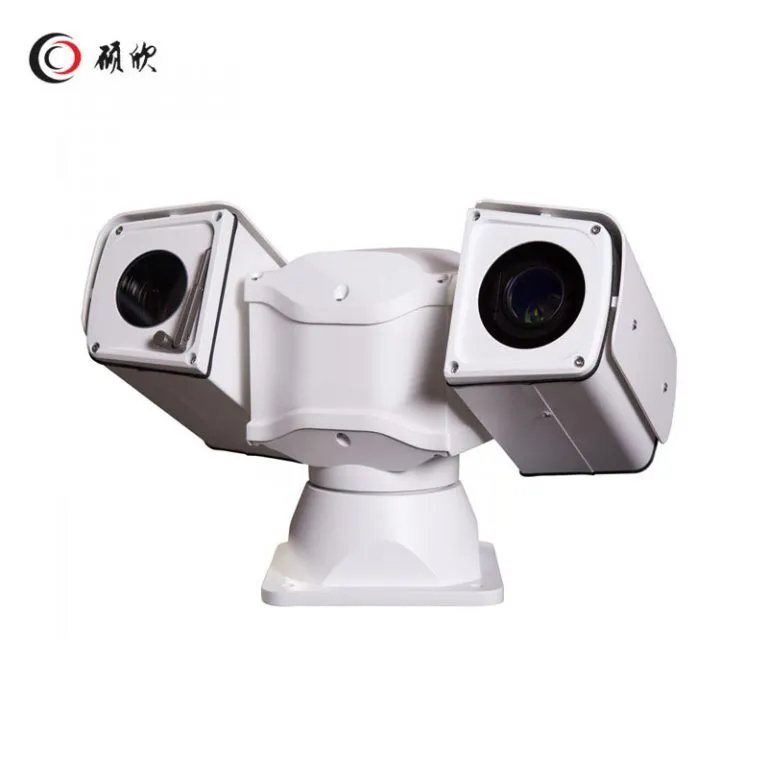
In the area of long-range PTZ surveillance, moving to 4K and 8K resolutions shows a big step forward from older standards like 1080p. These higher resolutions give much better pixel count—four times more in 4K and sixteen times in 8K—which lets operators grab clear details from far away. This matters a lot for spotting vehicles, people, or possible dangers in big open spaces such as borders, infrastructure spots, or coastal areas. When you add strong optical zoom and bi-spectral features that mix visible and thermal imaging, these systems work well in different light and weather setups. As a result, you need fewer cameras for full coverage, which boosts efficiency and correctness in key security tasks.
Advancements in Surveillance Imaging Technology
The Evolution of Resolution Standards in PTZ Surveillance
Over the past twenty years, surveillance imaging has seen a major change—from fuzzy analog signals to super-clear digital pictures. This change started with standard definition (SD) systems, moved on to 720p HD and 1080p Full HD, and now reaches 4K and even 8K resolutions in the top PTZ cameras. These steps forward have greatly changed the quality of surveillance, especially for watching from long distances.
Higher resolution means more detailed pictures right away. With 4K giving four times the pixels of 1080p and 8K giving sixteen times, these formats offer great sharpness that helps both live watching and after-event checks. The extra pixels let you zoom into certain spots on a computer without quick loss of detail—which is key for finding proof in big places like coastlines, power setups, or border areas.
As security needs grow in size and detail, the demand for super-high-definition imaging keeps rising. People in charge of watching important infrastructure need not just broad views but also exact spotting. In these situations, high-resolution PTZ systems are no longer a choice—they are a must.
Importance of High Resolution in Long-Range Surveillance
Long-range surveillance brings special viewing problems. Picking out human shapes, vehicles, or heat signs at distances over 150 meters gets much tougher as the space grows. Regular Full HD cameras hit their max quickly in these cases.
This is where 4K and 8K imaging step in. When you zoom on a Full HD picture using a computer, it gets blurry fast, making it hard to use. But with 4K or more, zooming keeps important details like face shapes or license plates because of the higher pixel amount.
Bigger view angles with high resolution also improve overall awareness. You can watch wider spots—such as whole airport runways or large power stations—without losing sharpness on far-off goals. This cuts down on hidden areas and lowers the number of devices needed to cover big zones well.
How 4K and 8K Resolutions Enhance PTZ Surveillance Systems
Increased Pixel Density for Precision Target Identification
One of the clearest gains from 4K and 8K resolutions is better spotting accuracy. Whether you are watching high-security areas or doing police work, seeing small details from a distance is very important. Face matching, item sorting, and even reading license plates work much better when there are more pixels in each space.
Looking at picture quality across resolution types shows this well. At far distances, Full HD video often looks fuzzy when you zoom, but 4K gives sharp lines and surfaces. 8K goes even further by allowing close checks even after heavy computer zoom.
Superior Digital Zoom Capabilities Without Loss of Detail
When optical zoom pairs with a high-resolution sensor, you get strong long-range sight. A PTZ system that has both—like a 52x optical zoom with a 4K sensor—can view stretches of kilometers with details kept all through the zoom levels.
High-resolution sensors keep picture sharpness in both optical and digital zoom actions. This greatly stretches your watching range. For example, thermal PTZ cameras with visible sensors like the WL-TW10-4K-IR mix 52x optical zoom (6.1–317mm focal length) with a 2MP Full HD sensor, letting for exact spotting even in dim light or bad weather.
Enhanced Area Coverage with a Single Camera Unit
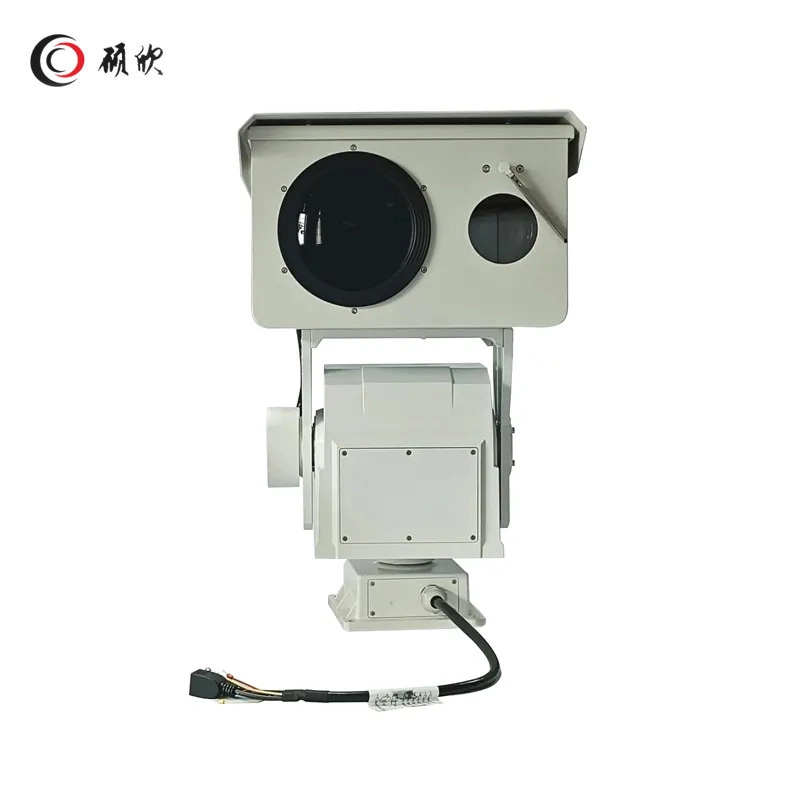
Putting in high-resolution PTZ units lets you monitor wide areas from one spot. This cuts the need for cameras that overlap and extra setups. One unit can manage what once took several cameras without giving up on clearness at the outer edges.
This gain shows up most when watching large outside areas such as railways, border fences, or big factory jobs. For instance, the WL-TX30-HD-RCX joins thermal and visible light imaging into one strong device that can cover distances over several kilometers using a changing 30–150mm thermal lens and a visible camera with a zoom lens up to 317mm.
Integration of High Resolution with Thermal Imaging: Shuoxin’s Competitive Edge
The Role of Bi-Spectral Imaging in All-Weather Surveillance
Joining visible-light and thermal imaging into one PTZ unit gives top flexibility for 24/7 watching. While visible light offers sight checks and area details, thermal imaging picks up heat signs that eyes cannot see—making it a must during night or through smoke, fog, or plants.
This bi-spectral ability makes sure the system is ready in all weather types. It greatly raises early danger spotting while keeping sight checks for correct responses.
Product Spotlight: WL-TX30-HD-RCX Bi-Spectral PTZ Camera
Key Features and Capabilities
The WL-TX30-HD-RCX is built for important tasks like forest fire stopping, border watching, and big factory safety. It has a dual-spectrum setup with a 2MP visible-light camera and a 640×512 thermal detector with 14 false-color options. The unit handles 360° pan and ±90° tilt at speeds up to 100°/s, so it can follow quick-moving items across huge lands.
Operational Benefits for Critical Infrastructure Monitoring
Made for high-risk outside uses such as long pipelines or sea edges, this unit gives exact watching over wide distances. Its skill to spot both heat issues and sight hints makes it perfect for early fire spotting, entering alerts, or machine overheat cases.
Product Spotlight: WL-TW10-4K-IR Ultra HD IR PTZ Camera
Key Features and Capabilities
The WL-TW10-4K-IR stands out in city safety jobs where night sight is key. With a 1920×1080 CMOS sensor that catches color down to 0.0005 Lux and 52x optical zoom, it gives great clearness even in low light around.
Adding an uncooled vanadium oxide thermal sensor (640×512 resolution) makes sure right heat-based spotting under any light setup.
Use Cases in Urban Security and Transportation Hubs
Perfect for watching high-value city items like transport paths or airport edges, this camera cuts blind spots while keeping proof-level detail across wide areas. Built-in smart checks let for auto spotting of break-ins or odd groups—making safety responses easier.
System-Level Advantages from Deploying Shuoxin’s High Resolution PTZ Cameras
Improved Incident Response Through Real-Time Clarity
Making choices in real time depends on clear sights. With high-resolution feeds, dangers can be spotted sooner and responses started better. Quicker goal finding comes from advanced PTZ tracking tools backed by AI smart spotting functions like border crossing or people group alerts.
The WL-TX30-HD-RCX handles up to 256 preset spots and 8 auto tracking paths, so no key movement gets missed across watched areas. This setup ensures that operators can react swiftly to any unusual activity, drawing on the sharp images to make informed calls without delay.
Reduced Infrastructure Costs Through Efficient Coverage Design
Using fewer high-resolution units instead of many low-resolution ones makes your watching setup better. You cut down on setup trouble, lower upkeep spots, and ease bandwidth use thanks to video squeeze tech like H.265. In practice, this means less work during installation, as teams can position cameras strategically to cover more ground with precision, avoiding the hassle of wiring multiple devices across a site.
This smart way saves money on startup costs without losing on how well it works—a big plus when growing watching networks over power lines or country borders. Over time, the lower number of units also means fewer repairs and easier overall management, keeping long-term expenses in check.
Seamless Integration into Existing VMS Platforms and AI Analytics Workflows
All PTZ systems from this provider back open rules like ONVIF and RS485, so they fit easily into current Video Management Systems (VMS). AI-boosted checks such as quick motion spotting or scene shift notice work more right when matched with high-resolution video inputs. For example, these systems can pull in data from other sensors or software, creating a unified view of the monitored area that helps teams spot patterns or risks faster.
High-definition output raises the exactness of math steps for auto alerts and cuts wrong alarms—making the whole system more dependable. Users often find that adding these cameras to their setup takes little time, with plug-and-play options that keep operations running smooth without major overhauls.
Professional Support and Custom Solutions from Shuoxin Technology Co., Ltd.
As a focused maker of smart security watching systems, Changzhou Shuoxin Electronic Technology Co., Ltd. blends solid research and development with years of field know-how to offer custom fixes for outside uses—from road checks to energy setup guard. Their teams help with advice on things like picking lenses for certain lands or planning system layouts to fit exact needs.
With worldwide sales paths and support in many languages, Shuoxin makes sure ongoing help through software updates, far-off checks, and learning sessions—all supported by world-certified quality setups (ISO9001, CE, FCC). This level of service means clients get reliable gear that adapts to growing demands, whether in tough weather or high-stakes spots, ensuring peace of mind for security pros everywhere.
FAQ
Q: How far can a 4K PTZ camera reliably identify targets?
A: Depending on lens setup and weather factors, 4K PTZ systems can spot human-sized goals at distances over 500 meters while keeping face details when paired with optical zoom lenses over 300mm. In clear conditions, this range allows for solid recognition, but users should test in their own settings for best results.
Q: Why is bi-spectral imaging important for outdoor surveillance?
A: Bi-spectral imaging lets for heat spotting and sight checks at the same time, making it very useful for finding dangers in dark, fog, or through plants—spots where regular cameras do not work. This combo gives a fuller picture, helping teams act on real info no matter the time or weather.
Q: Can these cameras integrate with my current security system?
A: Yes, both featured models back ONVIF rules and RS485 control links, letting easy fitting into most new VMS setups and check tools. Setup is straightforward, often just needing basic network ties to get everything linked up quickly.



 English
  Russian
  French
  Japanese
  Korean
  Arabic
  German
  Italian