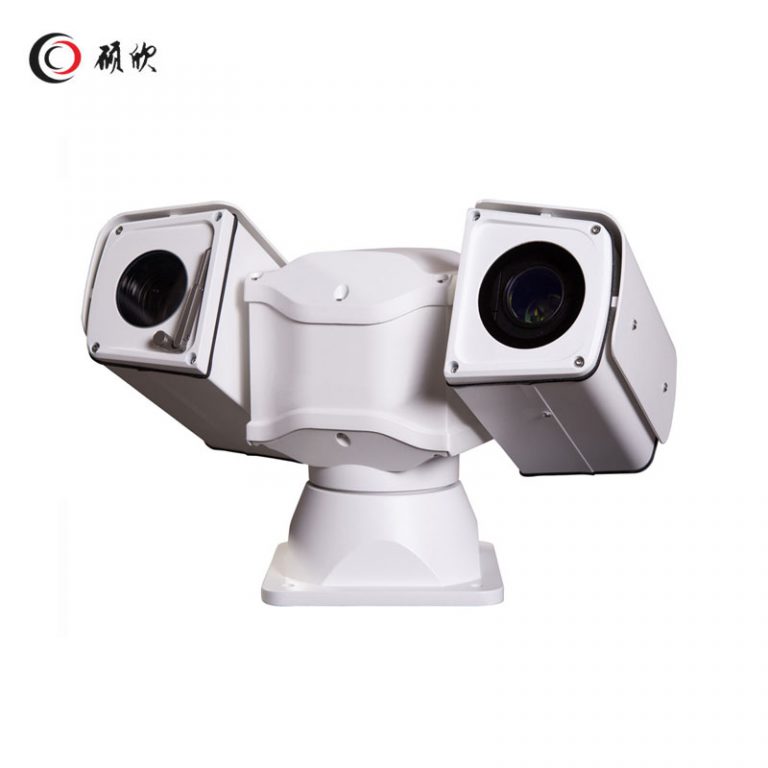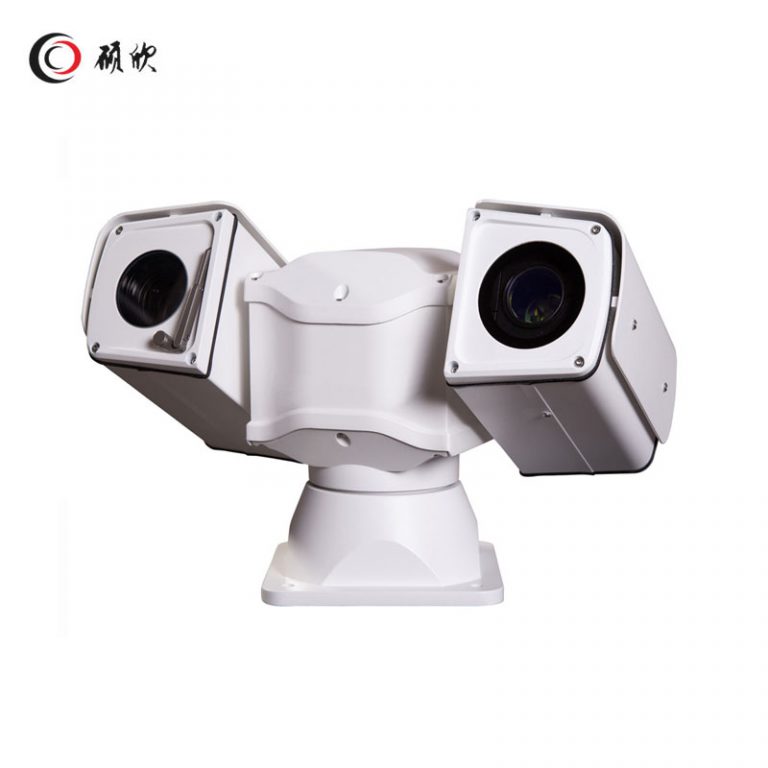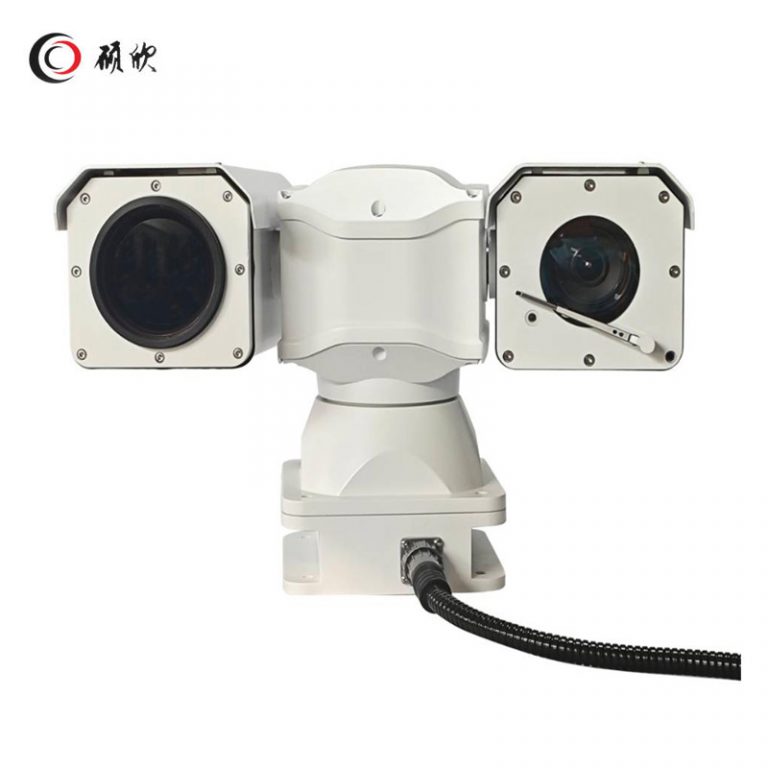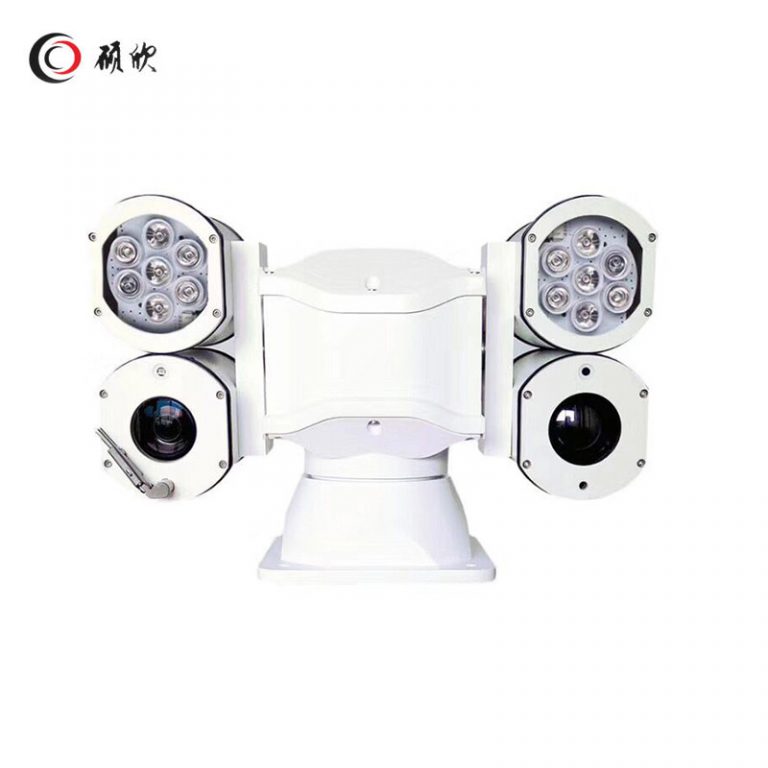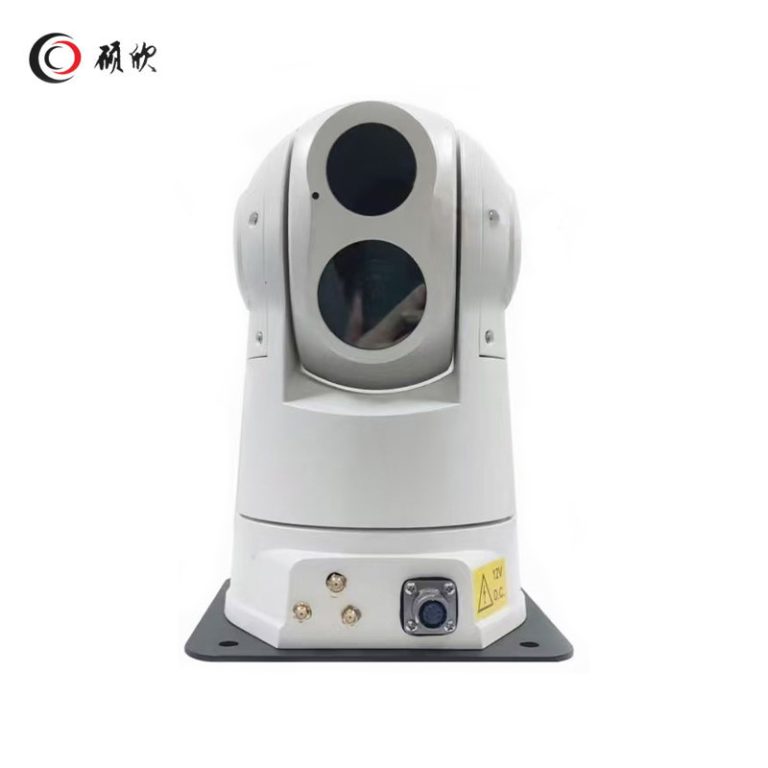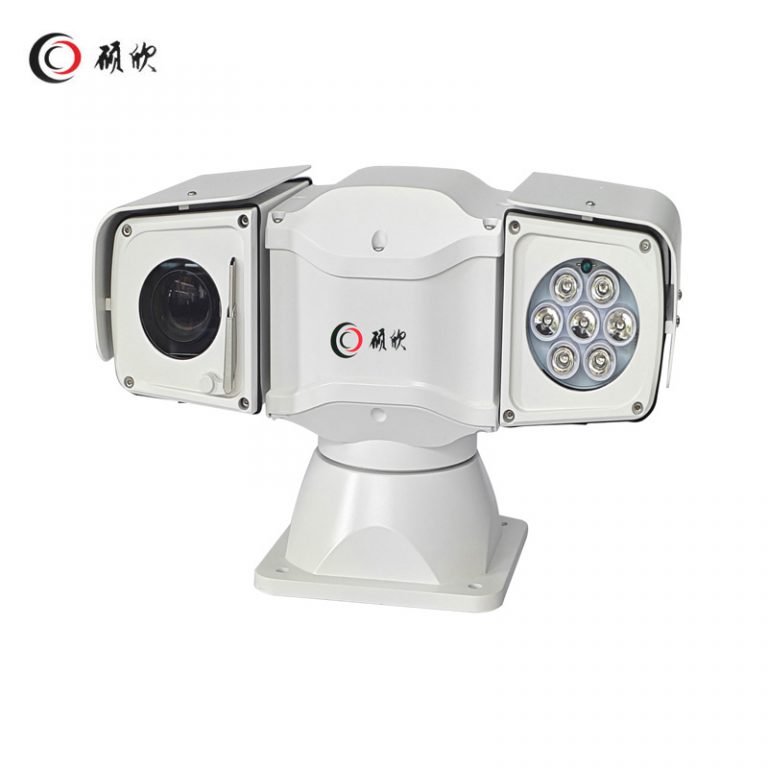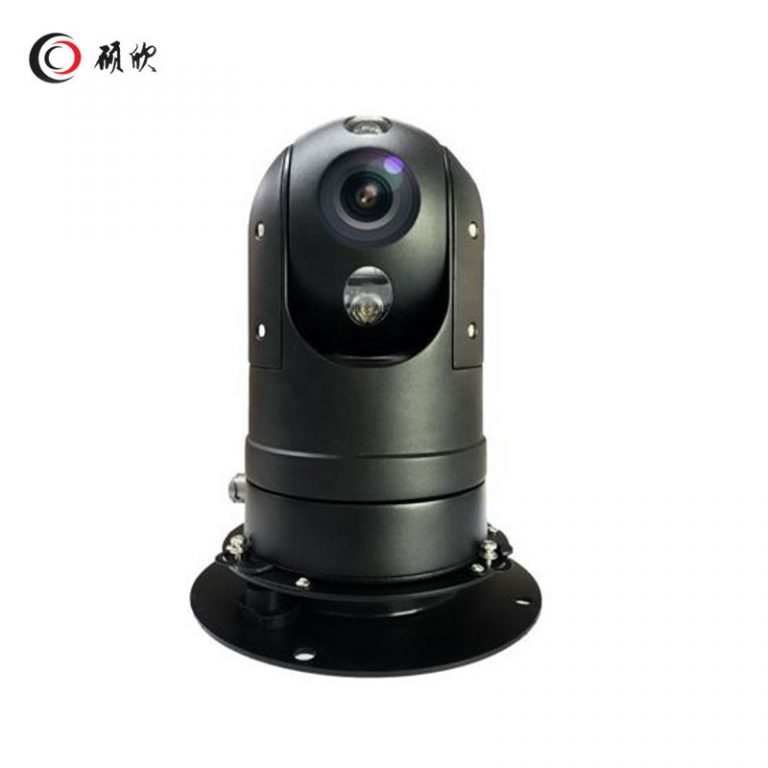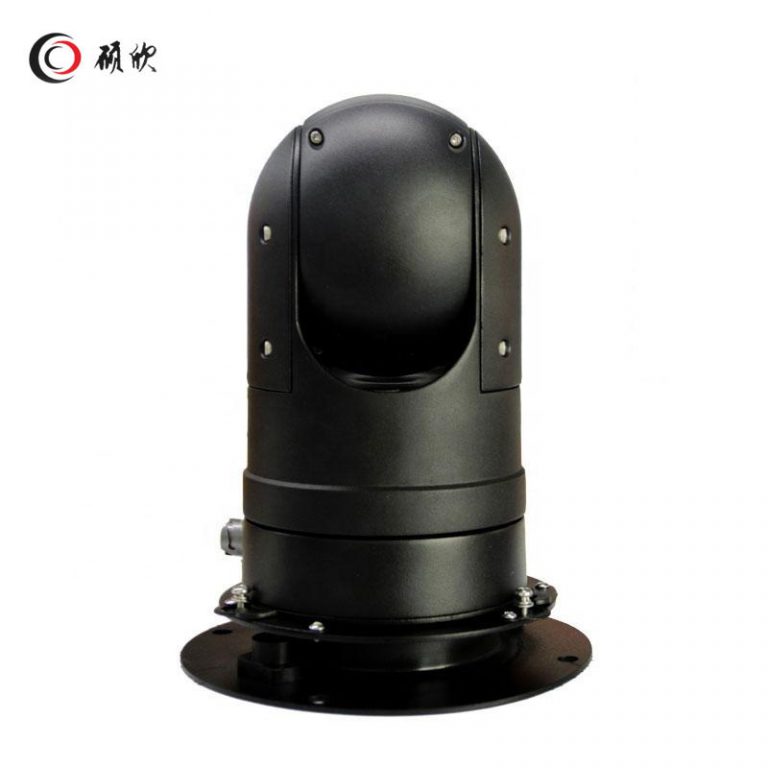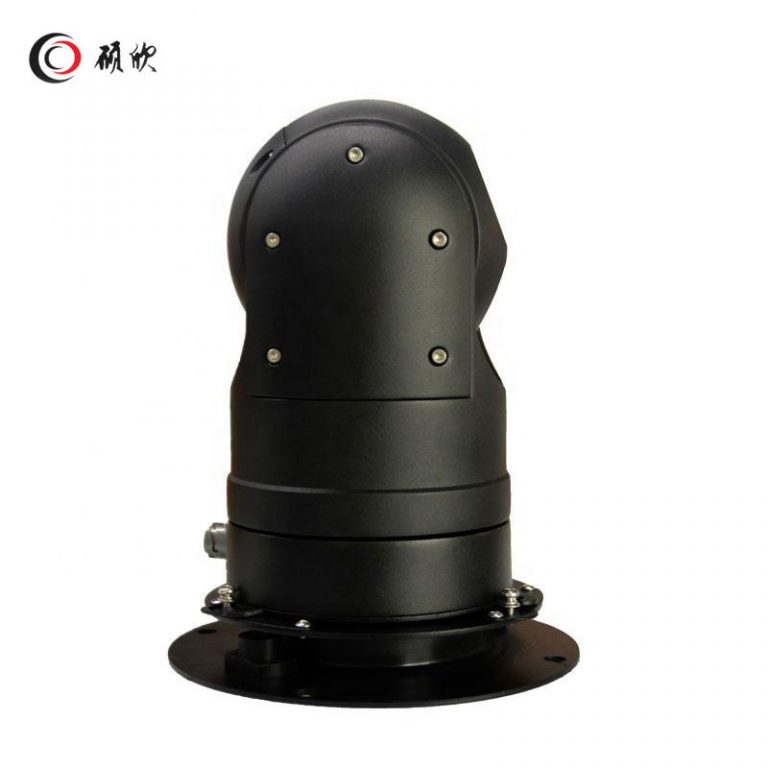
WL-HLC-HD-IR is a compact vehicle dome with 2 MP imaging, 33× zoom and a 50 m infrared rating. It provides continuous 360° pan, -20° to +90° tilt, ONVIF Profile S/G, web or RS485 control, IP66, DC 10.8–18 V input and a 2.5 kg weight. Shock absorbers, heated glass and wiper support are listed.
Select WL-HLC-HD-IR around 50 m IR scene and vehicle voltage. Define that task before comparing options.
Build the operator sequence around 50 m IR scene and vehicle voltage; state the view, detail and mode change needed.
Vehicle and marine surveillance, law-enforcement, emergency, fire-control and ambulance installations are identified uses. The specific vehicle determines voltage behavior, dome clearance and the night scene that must be evaluated.
Put 2.5 kg dome clearance on the drawing and leave unresolved mechanics pending.
Map web or RS485 to host functions one by one rather than relying on names.
Check installed power and cabling; keep scene-dependent IR separate until confirmed.
Send 50 m IR scene and vehicle voltage, 2.5 kg dome clearance and web or RS485; flag scene-dependent IR for confirmation.
| MN ° ODEL | Wl-hlc-hd-ir |
| Caméra visible | |
| Capteur d'image | 1 {{url_placeholder_0}} CMOS de balayage progressif |
| Pixels efficaces | 1920 (h) x 1080 (v), 2 mégapixels; |
| Illumination minimale | Couleur: 0,001 lux @ (f1.5, AGC ON); b {{url_placeholder_0}} @ (f1.5, AGC ON) |
| Distance focale | 5.3-175mm |
| Zoom optique | Zoom optique 33x, 16x Zoom numérique |
| Plage d'ouverture | F1.5-F4.0 |
| Champ de vision horizontal | 60,5-2,3 ° (large tele) |
| Distance de travail minimale | 100 mm-1000 mm (large tele) |
| Zoom | Environ 3,5 s (objectif optique, large pour télé) |
| Compression vidéo | H.265 / H.264 / MJPEG |
| Paramètres d'image | Mode du couloir, saturation, luminosité, contraste, netteté ajustée par IE / Client |
| Jour {{url_placeholder_0}} commutateur | Automatique, manuel, timing, déclencheur d'alarme |
| Réduction du bruit 3D | Soutien |
| Protocole d'interface | Onvif (profil s, profil g) |
| Détection intelligente | Détection transfrontalière, détection d'intrusion des zones, entrée / départ de la détection des zones, détection de plané, détection de collecte de personnel, détection de mouvement rapide, détection / détection de prise de station |
| Jour {{url_placeholder_0}} commutateur | Automatique, manuel, timing, déclencheur d'alarme |
| Distance ir | 50m |
| Ptz | |
| Vitesse prédéfinie | 300 ° / s |
| Vitesse prédéfinie inclinable | 120 ° / s |
| Contrôle de vitesse manuelle PAN | 0 ° ~ 220 ° / s |
| Contrôle de vitesse manuelle d'inclinaison | 0 ° ~ 90 ° / s |
| Angle de panoramique | Rotation sans fin à 360 °. |
| Angle d'inclinaison | -20 ° ~ + 90 ° |
| Prérégler | 256 positions 6 Suivi |
| méthode de contrôle | RS485, taux de bauds en option de 2400 pb aux 19200bps |
| Humidité relative | <90% |
| Niveau de protection | Ip66 |
| Température de fonctionnement | -35 ° C ~ + 65 ° C |
| Consommation d'énergie | DC10.8V ~ DC18V |
| Exigences de résistance à l'impact | ≥4g |
| Essuie-glace | soutien |
| Méthode d'installation | Diverses méthodes d'installation sont facultatives selon l'environnement d'application |
| Poids | 2.5kg |
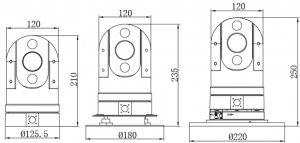
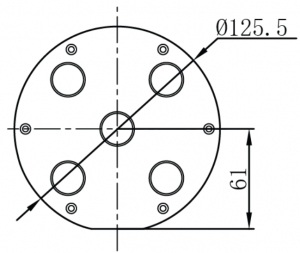
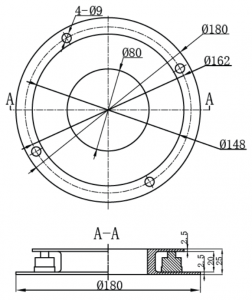
Use the Vehicle PTZ Camera category to compare mobile PTZ choices. For WL-HLC-HD-IR, review the 50 m infrared task together with vehicle voltage, dome clearance and the selected web or RS485 control path.
Begin with 50 m IR scene and vehicle voltage.
Check web or RS485 against required host functions.
Show 2.5 kg dome clearance, cables and clearances.
Keep scene-dependent IR unresolved until written confirmation.
The 50 m figure is the listed infrared rating, not a promise about target detail in every road scene. Define the required night view, ambient light and camera position before using that rating in a selection. Daytime framing should also account for the 33× optical zoom and the movement needed during patrol work.
Use the 2.5 kg weight and dome envelope on the roof or console drawing. Check the -20° to +90° tilt range against bodywork, lamps and other equipment around the camera. Shock absorbers, heated glass and wiper support are listed features, but the vehicle still needs a practical fixing surface and cable entry.
Power must remain within the stated DC 10.8–18 V input at the camera. Select web control, RS485 or both according to the vehicle system, then identify which ONVIF Profile S/G functions are needed at the receiving side. Compatibility with a specific recorder is not implied.
Sign off the WL-HLC-HD-IR package after the night-view requirement, supply range and dome clearance agree across the inquiry and drawing. Verify the chosen control path and cable entry on the actual vehicle layout. Treat scene performance beyond the stated infrared rating as a project question, not as an automatic result.
Use Contactez-nous to send 50 m IR scene and vehicle voltage, the drawing and required functions. Identify scene-dependent IR as pending.