
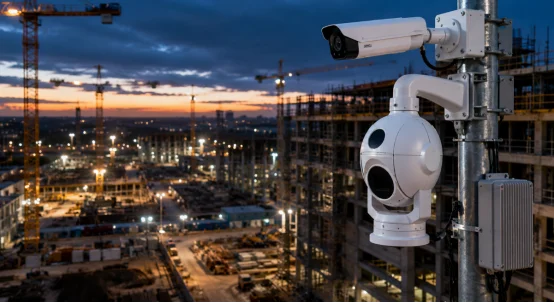
Beim Vergleich PTZ-Kameras im Vergleich zu fest installierten Kameras für die BaustellensicherheitDie eigentliche Frage ist nicht, welche Kamera den umfangreichsten Funktionsumfang bietet. Sie benötigen klare Beweismittel an Toren, nützliche Ansichten über offene Baustellenbereiche und ein System, das auch dann noch sinnvoll funktioniert, wenn Gerüste, Materiallager und Zufahrtswege bewegt werden.
Die richtigen Überwachungskameras für Baustellen helfen Ihnen, Lieferungen zu kontrollieren, Vorfälle zu überprüfen, Geräte zu überwachen und den Baufortschritt zu verfolgen, ohne erneut zur Baustelle fahren zu müssen. Dennoch gibt es kein Modell, das für jede Baustelle die beste Lösung bietet. Entscheidend sind die Beschaffenheit der Baustelle und der Bedarf an lückenloser Videoaufzeichnung.
Worin besteht der Unterschied zwischen PTZ- und Festkameras?
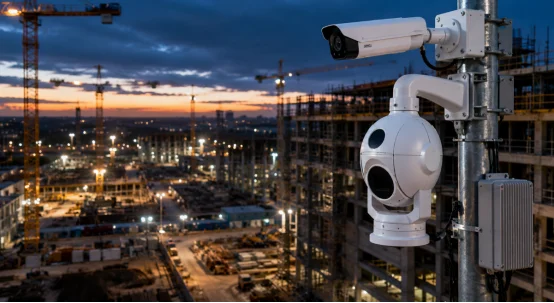
Die Entscheidung zwischen einer PTZ-Kamera und einer fest installierten Kamera beginnt mit der Bewegung. Eine PTZ-Kamera kann schwenken, neigen und zoomen. Eine fest installierte Kamera zeichnet hingegen nur einen ausgewählten Ausschnitt auf. Ein praxisorientierter Vergleich von Baustellenkameras sollte außerdem tote Winkel, Bildstabilität, Montage, Wartung und die Gesamtsystemkosten berücksichtigen.
Was ist eine PTZ-Kamera?
Eine PTZ-Kamera zur Baustellenüberwachung ermöglicht es Ihnen, die Kamera auf Personen, Fahrzeuge, Kräne oder entfernte Arbeitsbereiche auszurichten. Optischer Zoom liefert mehr Details als die nachträgliche Vergrößerung einzelner Pixel. Voreinstellungen ermöglichen es, die Kamera automatisch auf Tore, Lagerplätze oder wichtige Höhenbereiche zu richten.
Was ist eine fest installierte Kamera?
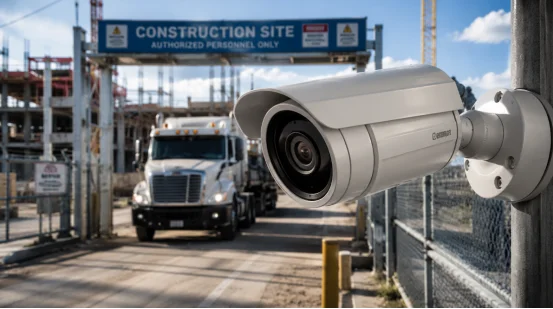
Eine fest installierte Kamera für die Baustellensicherheit ist stets auf einen Punkt gerichtet. Das macht sie besonders nützlich dort, wo jede Minute zählt, beispielsweise an einem Tor, einer Tankstelle, einem Werkzeugraum oder einer Containertür. PTZ-Kameras bieten flexible Weitwinkelansichten, während fest installierte Kameras eine konstante Überwachung und einen stabilen Bildausschnitt gewährleisten.
PTZ- oder Festkamera für die Baustellensicherheit
Wählen Sie eine PTZ- oder Festkamera für die Baustellensicherheit Indem man sich eine einfache Frage stellt: Kann diese Ansicht für einige Minuten gefahrlos verschwinden? Wenn nicht, sollte man eine fest installierte Kamera verwenden. Wenn man mehrere entfernte Bereiche von einem erhöhten Standpunkt aus inspizieren muss, ist eine PTZ-Kamera möglicherweise besser geeignet.
Welche Vorteile und Grenzen sind am wichtigsten?
Die wichtigsten Vorteile von PTZ-Überwachungskameras sind die flexible Ansicht, der optische Zoom, die Fernsteuerung und die voreingestellten Patrouillenmodi. Der Nachteil ist einfach: Eine bewegliche Kamera kann fast überall hinsehen, aber nicht überall gleichzeitig.
Weitbereichs-PTZ-Abdeckung
PTZ-Kameras eignen sich hervorragend für die Überwachung von Betriebshöfen, Baugruben, Straßen und großen Bauwerken. Für die Überwachung großer Baustellen ist eine PTZ-Kamera am effektivsten auf einer stabilen, erhöhten Halterung mit freier Sichtlinie.
PTZ-Tote Winkel und Verschleiß
Bei PTZ-Kameras entstehen tote Winkel, wenn das Objektiv in eine andere Richtung zeigt oder ein neues Objekt die Sicht versperrt. Auch Wind wird bei großen Zoomstufen deutlich sichtbar. Motoren, Getriebe und Zoomkomponenten erhöhen den Wartungsaufwand im Vergleich zu herkömmlichen, fest installierten Geräten.
Kontinuierliche Festnetzabdeckung
Die wichtigsten Vorteile von fest installierten Überwachungskameras sind eine gleichbleibende Bilddarstellung, weniger bewegliche Teile und eine zuverlässige Beweissicherung. Fest installierte Kameras eignen sich besonders für kritische Bereiche, da das Objektiv den zugewiesenen Bereich nie verlässt. Fest installierte Kameras sind pro Einheit möglicherweise günstiger, während PTZ-Kameras von einem einzigen Standort aus einen größeren Bereich abdecken können.
Welche Kamera eignet sich für welchen Baustellenbereich?
Gut Videoüberwachung auf der Baustelle Beginnen Sie mit einer Risikokarte, nicht mit einem Produktkatalog. Markieren Sie Tore, Treibstoff, Werkzeuge, Kupfer, Maschinen, provisorische Büros und dunkle Ecken. Planen Sie anschließend die Positionierung der Baustellenkameras so, dass alle relevanten Bereiche identifiziert und nicht nur erfasst werden.
Eingänge und Materiallagerung
Für die Überwachung von Baustelleneinfahrten eignet sich in der Regel eine fest installierte Kamera am besten. So ist es wichtig, dass Fahrspur, Kennzeichenwinkel und Sichtfeld die ganze Nacht über im Bild sind. Eine fest installierte Kamera zur Sicherung von Materiallagerbereichen sorgt zudem für eine übersichtliche Dokumentation, wenn mehrere Teams gleichzeitig Zugang haben.
Betriebshöfe und offene Baustellen
Die besten Kameras zur Überwachung von Baumaschinen verfügen oft über beide Kameratypen. Eine fest installierte Baustellenkamera kann den Tank- oder Parkplatz im Blick behalten, während eine PTZ-Kamera das gesamte Gelände überwacht und ungewöhnliche Bewegungen verfolgt.
Kameraanzahl
Die Frage, wie viele Kameras eine Baustelle benötigt, lässt sich nicht pauschal beantworten. Zählen Sie stattdessen die erforderlichen Ansichten: jeden Eingang, jeden wichtigen Lagerort, größere tote Winkel sowie die Übersichtsabdeckung. Überprüfen Sie dies nach jeder größeren Bauphase. Ein Stapel Wandpaneele kann die perfekte Perspektive von gestern zunichtemachen. Das passiert häufiger, als man denkt.
Welche Option ist kostengünstiger und funktioniert aus der Ferne besser?
Ein Kostenvergleich zwischen fest installierten und PTZ-Kameras sollte Masten, Halterungen, Kabel, PoE-Kapazität, Mobilfunkdaten, Speicher, Installation und Wartung berücksichtigen. Eine günstigere Kamera kann einen kostspieligen toten Winkel verursachen. Auch eine hochwertige PTZ-Kamera kann Energieverschwendung sein, wenn sie den ganzen Tag an einem Tor stationiert ist.
Stromversorgung, Netzwerk und Fernzugriff
Ein Baustellenkamerasystem mit Fernzugriff benötigt eine stabile Stromversorgung und eine zuverlässige Datenverbindung. PoE ist praktisch, wenn die Kabel geschützt sind. Mobilfunk- und Solarlösungen eignen sich für temporäre oder abgelegene Bereiche, wobei jedoch schwaches Signal und die Akkulaufzeit im Winter beachtet werden müssen. Ihr Baustellenüberwachungssystem sollte neben Bewegungserkennung auch Offline-Kameras melden.
Sollten Sie beide Kameratypen verwenden?
Ein Hybridsystem aus PTZ- und Festkameras liefert auf mittelgroßen und großen Baustellen oft die besten Ergebnisse. Festkameras sichern Beweismittel an besonders gefährdeten Stellen. PTZ-Kameras ermöglichen die Übersicht, Zoom-Kontrollen und die Überwachung wechselnder Arbeitsbereiche.
Ein praktisches Hybrid-Layout
Ein System aus PTZ- und Festkameras könnte beispielsweise eine erhöhte PTZ-Kamera über dem Hauptgelände, eine Festkamera am Fahrzeugtor, eine am Fußgängereingang und eine weitere am Treibstoff- oder Materiallager nutzen. Die PTZ-Kamera folgt dem Geschehen. Die Festkameras dokumentieren den zeitlichen Ablauf.
Wie wählt man die richtige Kamera aus?
Zu wissen, wie man auswählt Überwachungskameras auf der Baustelle Beginnen Sie mit dem Ereignis, das Sie auf keinen Fall verpassen dürfen. Verwenden Sie fest installierte Kameras dort, wo sich das Bild nicht bewegen darf. Nutzen Sie PTZ-Kameras, wenn flexible Ferninspektion einen echten Mehrwert bietet. Wenn Sie PTZ-Kameras mit fest installierten Kameras für die Baustellensicherheit vergleichen, prüfen Sie auch die Nachtsicht, die Wetterbeständigkeit, die Vibrationsfestigkeit, die Stromversorgung und die Wartungszugänglichkeit.
Warum könnte Shuoxin für einen anspruchsvollen Standort geeignet sein?
Bauprojekte erfordern mitunter mehr als eine herkömmliche Wandkamera. Fahrzeugpatrouillen, mobile Türme, große Sichtweiten, Vibrationen, Staub, Dunkelheit und wechselnde Beobachtungspunkte erfordern robustere PTZ-Kameras.
Shuoxin Das Unternehmen ist auf die Entwicklung und Produktion intelligenter Sicherheitsüberwachungssysteme spezialisiert. Das Portfolio umfasst Fahrzeug-, Straßen-, Schiffs-, Schwerlast-, Schnellmontage-Dome-, Wärmebild-, Multispektral-, Langstrecken- und Nachtsicht-PTZ-Kameras. Das Unternehmen entwickelt seine Produkte eigenständig, nutzt eigene Produktionsmanagement- und Testsysteme und setzt seine Geräte in den Bereichen Transport, Energie, Schifffahrt, öffentliche Sicherheit und Außenüberwachung ein. Diese breite Produktpalette ist besonders nützlich, wenn bei Bauprojekten Kameras an Fahrzeugen, Aufzügen, temporären Masten oder an exponierten Außenwänden anstelle von unauffälligen Deckenmontagen benötigt werden. Die Fahrzeug-PTZ-Kameras mit den passenden Konfigurationen finden Sie hier.
FAQ
Frage 1: Eignen sich PTZ-Kameras für Baustellen?
A: Ja, insbesondere für große, offene Bereiche, Fernzugriffe und aktive Überwachung. Kombinieren Sie sie mit fest installierten Kameras, wenn wichtige Bereiche permanent aufgezeichnet werden müssen.
Frage 2: Sind fest installierte Kameras für Baustellen geeignet?
A: Ja. Sie eignen sich hervorragend für Tore, Lagerbereiche, Tankstellen, Korridore und überall dort, wo die Sicht erhalten bleiben muss.
Frage 3: Kann eine PTZ-Kamera mehrere fest installierte Kameras ersetzen?
A: Es kann mehrere Bereiche inspizieren, aber nicht alle Richtungen gleichzeitig genau erfassen. Kritische Punkte benötigen weiterhin eine durchgehende Überwachung.
Frage 4: Welche Kamera eignet sich am besten für die Einfahrt zu einer Baustelle?
A: Eine fest installierte Kamera ist in der Regel am besten geeignet, da sie den ganzen Tag über die gleiche Fahrspur, das gleiche Gesicht und das gleiche Kennzeichen im Blick behält.
Frage 5: Wie viele Kameras benötigt eine Baustelle?
A: Die Anzahl sollte sich nach Eingängen, wertvollen Anlagen, toten Winkeln, Grundstücksgröße und erforderlicher Übersichtsabdeckung richten. Überprüfen Sie den Plan regelmäßig im Zuge von Projektänderungen.