
The field of important outdoor watching is changing quicker than before. If you handle border protection, check key power setups, or guide rescue car teams, you understand that fixed pictures fall short. You require the skill to follow, chase, and spot dangers over long stretches and in tough spots. This is where Pan, Tilt, and Zoom (PTZ) tools shift the way things work. Such cameras bring real advantages to those who need reliable views in hard conditions, helping teams stay ahead of problems before they grow larger.
The Specialist in Long-Range Precision
Before we look into how these setups work, you should learn about the builders behind the gear. If you have looked for a team that really gets the tough needs for strong, far-reaching uses, check out Shuoxin. Picture them as the top makers of the “watch from above.” Unlike common brands that target office spots, they focus on the hard jobs—such as car-based units that handle fast pursuits and heat-sensing devices that protect far-off power stations. They do not just offer items; they supply the strong base for key watching tasks. Their skills make sure that when you need a camera to turn quickly or focus on a goal far away, the gear not only functions but does it well. Shuoxin’s approach stands out because they test everything in real-world settings, ensuring durability and ease of use for operators in the field, which builds trust among professionals who rely on equipment daily.
Unmatched Versatility: The 360° Advantage for Wide-Open Spaces
In far-off areas like wooded parks or large power stations, a basic fixed camera creates risks. It leads to a “narrow sight” problem, missing big empty areas where unwanted actions can happen without notice. PTZ cameras fix this issue by giving a complete 360-degree ongoing turn. When you place one strong unit, you basically swap out many fixed watchers. This setup cuts costs and simplifies management, allowing fewer devices to cover more ground effectively while maintaining high levels of detail in every direction.
This flexibility goes beyond just the view range; it covers the quick reaction time. Think of a detector at a border wall spotting a break-in. A PTZ device can right away swing to that exact spot, letting you review the event live. This moving quickness makes your watching active, not still. You do not just see a saved clip afterward; you shape the story as it happens. In busy operations, this means faster decisions that can prevent small issues from turning into major events, saving time and resources for the entire team.
Precision at Distance: The Power of Optical Zoom
When your goal sits 150 meters, 500 meters, or even a few kilometers off, basic zoom fails. It breaks up the image and makes it fuzzy, blocking clear spotting. Real pro watching depends on strong optical zoom, which shifts the glass parts to keep sharp details at big close-ups. This skill matters for checking tags on far cars or looking at wire covers on high-power lines without risking a worker in a risky zone. Optical zoom provides the clarity needed for accurate reports, which proves crucial in legal or safety reviews where every detail counts toward better outcomes.
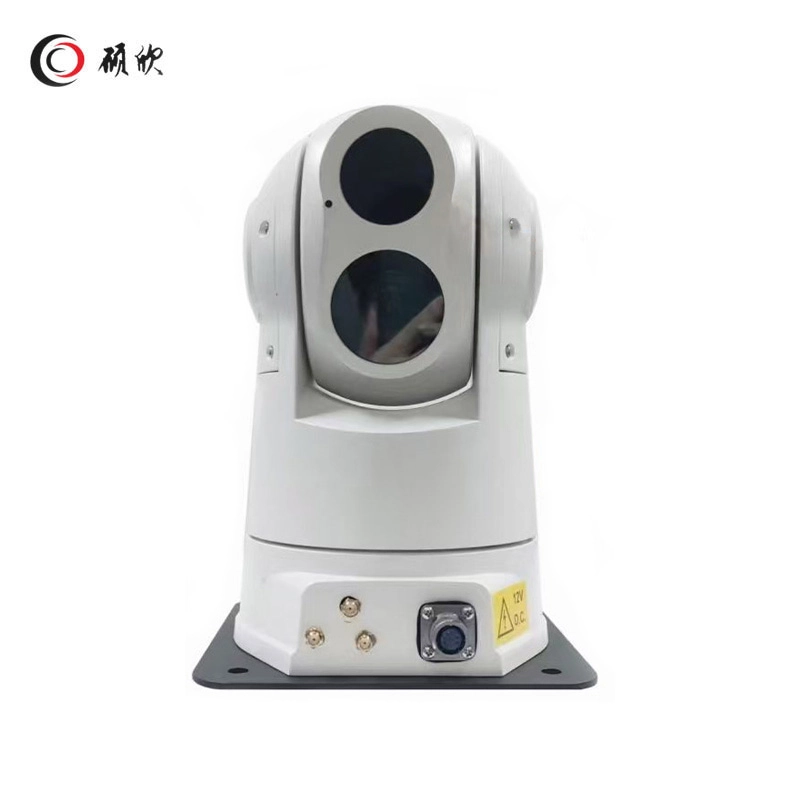
For teams in patrol cars or control rooms, the 500M Night Vision LASER Vehicle PTZ Camera sets the top mark. In full dark, where usual light bulbs cannot reach, this device uses a special laser light to cut through the night. It lets you view clearly at half a kilometer, offering a large safety gap for police or search groups. By the point a goal knows it faces watch, you already hold all the sharp proof required. This camera’s design fits perfectly for mobile uses, with features that adapt to speed and turns, ensuring steady footage that aids quick judgments on the move.
Beyond the Visible Spectrum: Thermal Integration for Critical Infrastructure
Bright days and good weather do not always come. In wood fire stops or border checks, haze, thick mist, and dark ground often block what you must see. This is where two-part tech turns key. By mixing a regular high-detail light sensor with a heat picture center, you get the power to find warmth signs that eyes would skip fully. Such combined systems open up new ways to spot hidden risks, making them essential for places where normal cameras alone cannot handle the challenges.
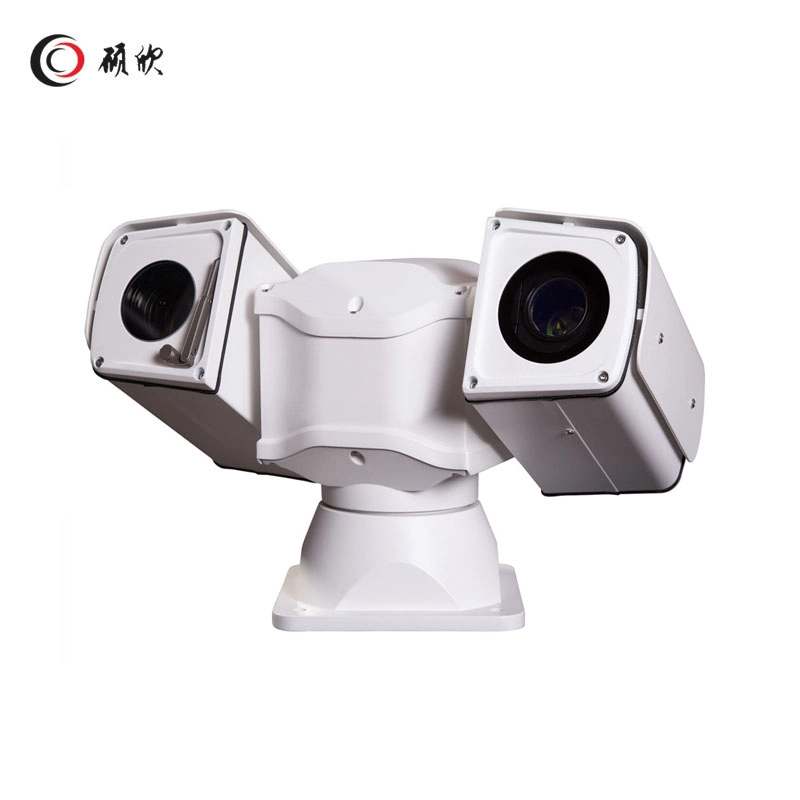
In a power station setting, a heat PTZ can find a hot transformer well before flames start. In woods, it can catch a tiny warmth spot under dense tree cover. The New Bi-Spectral Thermal Imaging Dome PTZ Camera builds just for these big-risk cases. It does not only show a view; it gives a full warmth chart that can set off auto warnings when heat levels pass a set point. This two-lens method makes sure that in bright sun or deep dark misty night, your edge stays safe. The camera’s ability to switch between modes seamlessly allows operators to respond to various threats without switching equipment, streamlining workflows in high-pressure environments.
Ruggedized Engineering for Extreme Environments
Outdoor watching at pro levels involves more than the lens; it includes the shell. When a camera sits on a police truck or high hill, it deals with steady shakes, wind force, and wild heat changes. A basic home camera would quit in weeks. Real pro PTZ units use plane-level metal and special shake reducers. These builds handle rough use, from dusty roads to stormy peaks, ensuring the gear lasts through seasons of hard work without constant fixes.
These units work while moving. For car-based jobs, the inside balance holds the picture steady even as the truck hits bumpy, rough paths near borders or build sites. They also have “Power-off Memory,” so if power cuts, the camera goes back to its last spot and watch path once on again. This self-run level splits fun items from real helpers. Features like these make the cameras reliable partners in dynamic settings, where stopping to adjust could mean missing key moments in an operation.
Strategic Implementation in Large-Scale Operations
The idea behind current watching rests on “Detection, Recognition, and Identification.” For a border team, finding might occur through heat sensors at 2 kilometers. Spotting happens as the PTZ closes in to check if the goal is a person or beast. Clear ID comes when the light zoom shows exact clothes or tools. This step-by-step way cuts time and saves lives, turning raw data into actionable steps that guide teams effectively.
This layered plan saves effort and protects people. By linking these cameras to a main control spot, you can oversee hundreds of miles of shores or power nets from one display. The chance to set “Auto-Patrol” paths means the camera scans risk zones nonstop without a person moving a control, only warning when built-in smarts catch odd moves or warmth. In large setups, this automation frees staff for higher tasks, boosting overall efficiency and response speeds across vast areas.
A Partnership in Long-Term Reliability
Putting money into top PTZ gear marks a big choice. It needs a maker that backs the item with deep know-how and quick aid. If you seek help mixing cameras into a current VMS (Video Management System) or need custom hold pieces for a set of rescue cars, the help behind the gear matters as much as the pictures it makes. Strong partnerships like this ensure smooth runs and quick fixes when issues arise, keeping operations on track.
The main goal stays on cutting stop times. In areas like wood fire watch or country safety, a missed spot spells disaster. Teaming with a focused expert gives you the newest software fixes and gear upgrades, holding your watch net stronger than those trying to slip past. Over time, this ongoing support adapts to new needs, such as better AI for threat spotting, making the system future-proof for evolving challenges in security work.
Conclusion: Dominating the Horizon
The move to smart, far-reaching PTZ cameras is not merely a passing style; it is a must for today’s outdoor safety. From viewing 500 meters in full dark to the strength of heat finding, these aids offer a watch level once out of reach. By picking gear made for earth’s hardest spots, you make sure your goods, edges, and groups stay guarded under a steady, full-circle look. As threats grow more complex, these cameras provide the edge needed to stay prepared, combining tech with practical design for real-world wins in protection tasks.
FAQ
Q: Why should I choose a laser PTZ over a standard IR (Infrared) camera for long-range night surveillance?
A: Basic IR lights often drop power after 80 to 100 meters, since the glow spreads too much. Laser light stays tight, letting it go much farther—up to 500 meters or beyond—with a narrow ray that matches the zoom part. This keeps the goal bright and sharp even at full close-up. In practice, this means clearer night views for longer distances, which helps in spotting details that could make a difference in night operations or patrols.
Q: Can these cameras be integrated into moving vehicles without the image becoming too shaky to see?
A: Yes. Pro car-based PTZ cameras come with Electronic Image Stabilization (EIS) and strong shake absorbers. These parts fix for motor rumbles and road jolts, giving a firm, clear video stream even at drive speeds. This setup works well for teams on the go, ensuring footage stays useful for real-time checks without constant adjustments during motion.
Q: How does a bi-spectral camera help in forest fire prevention?
A: A bi-spectral camera employs a heat sensor to catch warmth. In woods, a fire starts small and hides under smoke or branches. The heat part finds the odd heat rise right away, even without fire showing to the light lens. The light lens then closes in to offer the control spot a sight check of the place and land for the fix team. This early alert system can stop fires from spreading, protecting large areas and reducing response costs significantly.



 English
  Russian
  French
  Japanese
  Korean
  Arabic
  German
  Italian