
Defining the Range Capabilities of PTZ Cameras
When you check long-range needs for watching areas, you look at more than just how far a PTZ camera can spot things. You need to see how well it can find, know, and name targets at certain distances. This means more than zoom power and picture sharpness. It covers how the setup works in real situations, with things like weather, light levels, and ground shapes playing a big role.
Optical Zoom vs. Digital Zoom and Their Impact on Effective Range
The main thing that helps with clear views at far distances in PTZ cameras is optical zoom. It differs from digital zoom, which just makes pixels bigger and lowers picture quality. Optical zoom changes the lens itself to keep full sharpness at different focus points. For example, a camera with a 52x optical zoom, such as the one in the Bi-spectral long range thermal imaging PTZ camera, shifts from a broad 61.8° field of view to a narrow 1.6°, while holding onto image quality over the whole zoom span. Digital zoom can add a little help for small boosts, but it usually comes in only after optical reach ends.
DRI Standards in Surveillance
In expert watching setups, three key measures set how well a camera works: Detection, which spots if something is there; Recognition, which figures out what kind of thing it is; and Identification, which pins down who or what exactly. These DRI points rely on the sensor’s sharpness and the lens’s focus length. The greater the space you must cover, like along a shore or edge line, the more you need to pick cameras with strong sensors and solid lenses.
Environmental Factors Affecting Long-Range Performance
Watching from afar does not occur without outside effects. Things such as mist, showers, warm air waves, or sand blasts cut into clear sight. Cameras made for tough spots include smart fixes like clear-up tools for fog, heat sensing, or sensors that work in dim light. You ought to seek options with good fit for surroundings, such as heat handling from -35°C to +55°C or IP66-level covers, to make sure steady work.
Key Technologies That Extend PTZ Camera Range
For outside, far-off viewing, whether over roads, edges, or far sites, better picture tools form the base of good results.
Role of High-Resolution Sensors in Long-Distance Imaging
Strong sensors matter a lot when you aim to spot people or cars hundreds of meters off. A full HD 1920×1080 CMOS sensor boosts details and works better in low light too. In truth, some top models reach color:0.0005 Lux @(F1.4,AGC ON); B/W:0.0001Lux @(F1.4,AGC ON), giving almost dark-time sight without extra IR help.
Importance of Advanced Lens Systems for Optical Clarity
Far-reach PTZ units often use moving lenses with focus points from 6.1mm to 317mm or further. These setups allow very long sights while keeping edges sharp at all zoom steps. Zoom times of about 5 seconds from wide to far end let you aim fast.
Integration of Thermal Imaging for Low-Light or Obscured Conditions
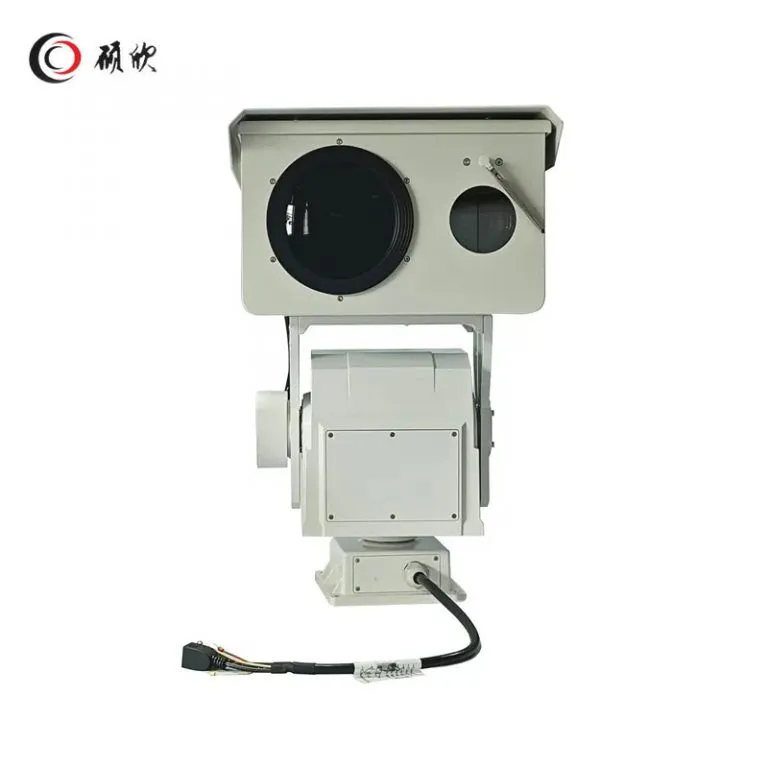
In cases where sight is blocked, like night checks, woods fire spotting, or shore mist, heat imaging proves key. Cameras like the Bi-spectral long range thermal imaging PTZ camera mix an uncooled vanadium oxide thermal sensor in the 8–14μm band with a 640×512 sharpness. It picks up heat changes as small as <35mK, so you can find break-ins no matter the light around.
Exploring Long-Range PTZ Camera Solutions from Shuoxin
If your work calls for vital outside checks, be it road networks or key national lines, then a custom far-reach PTZ fix is vital.
Changzhou Shuoxin Electronic Technology Co., Ltd. focuses on smart safety setups built for police cars, woods fire stops, edge watches, and site checks. The firm holds solid build and plan skills, a full make-run system, all test gear, and steady item work. Their fixes sit in places like shore guards, move nets, and power spots, where slip-ups cannot happen.
Bi-Spectral Long Range Thermal Imaging PTZ Cameras
These two-way systems join full HD sight sensors with heat sights to guarantee finds in both seen and unseen states. With choices like 2MP 90x optical zoom and heat lenses from 30mm to 150mm, these cover huge lands over day and night times.
Performance Advantages
- Live picture mix for better grasp of what is going on
- Heat find skills stay the same no matter light states
- Turn speeds up to 100°/s and up-down speeds up to 60°/s give quick point shifts
These fit best for times when you need to name people moves or car acts at a few kilometers far.
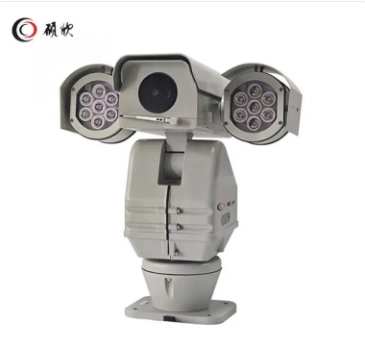
Highway PTZ Cameras with Network Positioning System
These cameras suit move and sharp aim on public builds. With GPS/GIS links and IP video send match, they shine in flow control hubs and quick aid cars.
Performance Advantages
- Very long zoom lenses, up to 250mm, for plate naming at over 1km
- Laser help for night sight going up to 2000 meters
- Tough metal cover with IP66 rate
Check more on this setup at the main page for the Highway PTZ camera.
Comparing Detection Ranges Across Use Cases
Based on your work spot, find needs change a good deal.
Surveillance Scenarios and Required Ranges
In city flow handling, 300–500 meters might do for car follows. But for edge guards along key builds or sea paths, you may need naming skills over 2–5 kilometers.
- Person target find: often works in 1–2km with heat imaging
- Car know: can go past 2km with sight lenses over 250mm
- Site watch (like pipes): often tops 5km with two-way systems
Matching Products to Specific Range Requirements
If your goal is top sight over chancy states, such as in woods fire zones or edge lines, the two-way systems give top trust through sight-heat backups. For fast roads and power safe where sharp and quick turn/up-down matter more than heat add, road-based PTZ types offer best cost-work match.
System Integration and Operational Considerations
Better watch skills need strong back-end builds too.
Network Infrastructure Requirements for Long Range PTZ Deployment
Sharp video flows over kilometers call for steady band width. Setups with H.265 press cut needed band while keeping clear sight. Match with ONVIF rules makes smooth join into current VMS spots and backs other-part checks like plate naming or thing track.
Maintenance, Calibration, and Environmental Adaptability
Outside sets must hold up to heavy rains, hot spells, and even dust winds. Both named camera kinds have IP66-rated covers, choice clear-up for frost/fog, and cleaners for optics keep. Far checks via RS485 lead cut the need for hands-on fixes in tough-reach spots.
Professional Support and Customization Services from Shuoxin
Better watch is not just set-and-go. It gets built around your task aims.
Tailored Solutions Based on Surveillance Objectives
Be it watch in hill areas full of mist or dry edge lands hit by warm twists, camera plans can get made-to-fit, with lens kinds, sensor sharp, cover types, and fix ways, to fit your spot just right.
Shuoxin Company puts stress on group work and has built up many years of know-how in the safety watch field, giving advice services that line items with spot goals.
Contact Shuoxin for Expert Guidance and Deployment Support
Their set team gives help all through plan, set-up, tune, and train steps, held by area aid nets over big cities and growing world reach.
FAQ
Q: What’s the furthest distance a PTZ camera can identify a human target?
A: With top heat-sight systems like bi-spectral cameras with 90x zoom and strong heat sensors, person targets can get spotted up to 2km away based on outside states.
Q: Can long-range PTZ cameras function in complete darkness?
A: Yes. Models with heat imaging pick up warm signs without need for around light or IR shine, making them great for night watches or smoke-blocked spots.
Q: Are these cameras suitable for mobile deployments like law enforcement vehicles?
A: Absolutely. Some models have choice car shake stops and back wide DC power in (like DC12V), making them fit for watch cars in edge or road tasks.



 English
  Russian
  French
  Japanese
  Korean
  Arabic
  German
  Italian