
When you manage key setups like power nets, border areas, or big wooded lands, there is no room for mistakes. Basic safety gear does not work in these spots because they miss the strength needed to look through bad weather or over wide valleys. To really guard these items, you must use tech that acts like an exact tool. Picking the correct spots for your devices is a planned step that decides if you spot a danger five miles off or let it pass by unnoticed. This choice affects how well your whole system performs, so careful planning from the start leads to better results over time.
If you feel tired of fuzzy pictures and machine breakdowns in the field, you need to find a team that knows the talk of big-risk safety. Shuoxin is not just a maker; they form the building power behind some of the toughest, most exact turning systems in the business. Whether you equip a group of rescue cars or protect a far-off power spot, their items are made to handle heavy shakes and full dark without stopping. They connect the space between “looking” and “controlling” a land area, making sure your workers have the clear sight they need to make fast choices. Shuoxin’s designs focus on real use, with parts that fit common needs in tough jobs, helping users get the most from their setups without extra hassle.
With the proper team ready, the attention turns to the smart setup of these units in your hardest outdoor areas. This step involves looking at the land, weather patterns, and threat types to place each camera where it covers the most ground effectively.
Mastering the High Ground: Substation and Power Grid Security
Power spots and electric nets sit in lonely places often, which makes them easy marks for damage or nature risks. Since these areas hold high-power machines, you cannot put a camera just anywhere. You have to pick high spots that give a full view of the whole place and the paths around it. Putting your units on special tall poles or built towers makes sure nothing blocks the clear line. These choices help spot issues early, like small faults that could grow into big problems if not caught soon.
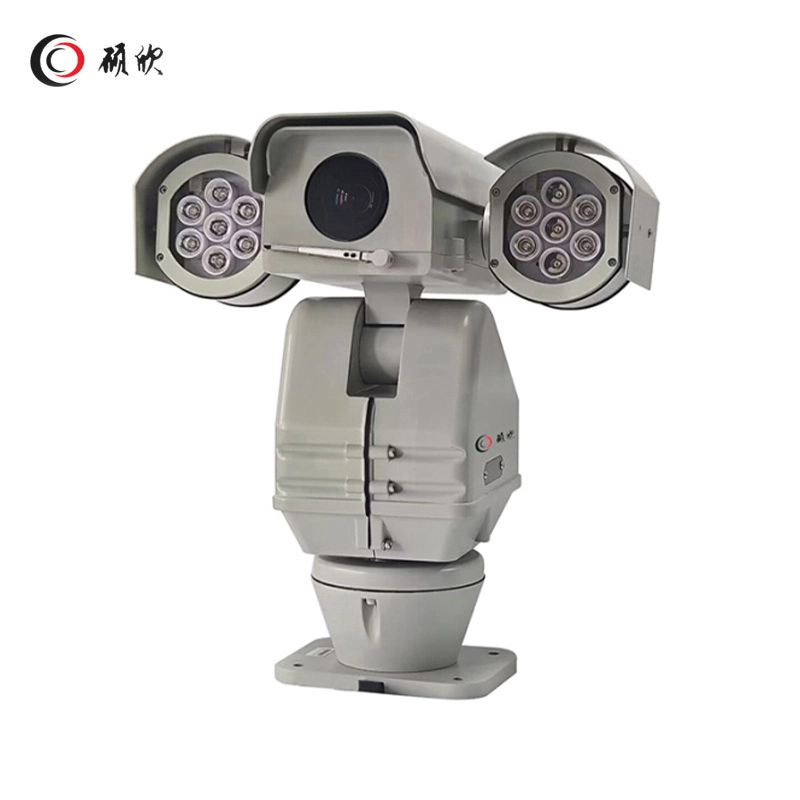
In these settings, a normal zoom part does not cut it. You need a setup that can find a loose connection or a heat problem from a few hundred meters away. This is where the Highway PTZ Camera turns into your best tool. Fitted with a Network Positioning System, this piece does more than turn; it shifts with exact math to set points. If a checker on your wall line starts, the setup can auto-move to that right angle and small part. This link cuts out the guessing for your workers and makes sure the “Network Positioning” is a real helper for quick fixes, not just a fancy term. The system works smoothly with other parts, allowing teams to respond faster and with more confidence in their actions.
The match between your gear and the land shape is key here. By fixing these units at the top of the power spot, you use the far-view lenses to watch the entry roads to the site. This lets you name unknown cars well before they hit the main door, giving your safety group a big start ahead. Such planning not only boosts safety but also helps in daily checks, making operations run smoother overall.
Mobile Dominance: Outfitting Law Enforcement and Emergency Vehicles
Safety does not always stay in one place. For border checks, police groups, or rescue teams, the top spot to set a camera is on the top of a moving car. This builds a portable control base that can go to any trouble area. But car-fixed watching has special problems: steady shakes, wind push, and the need for full-around awareness while going. These issues demand gear that holds up under real road tests, ensuring reliable work no matter the speed or path.
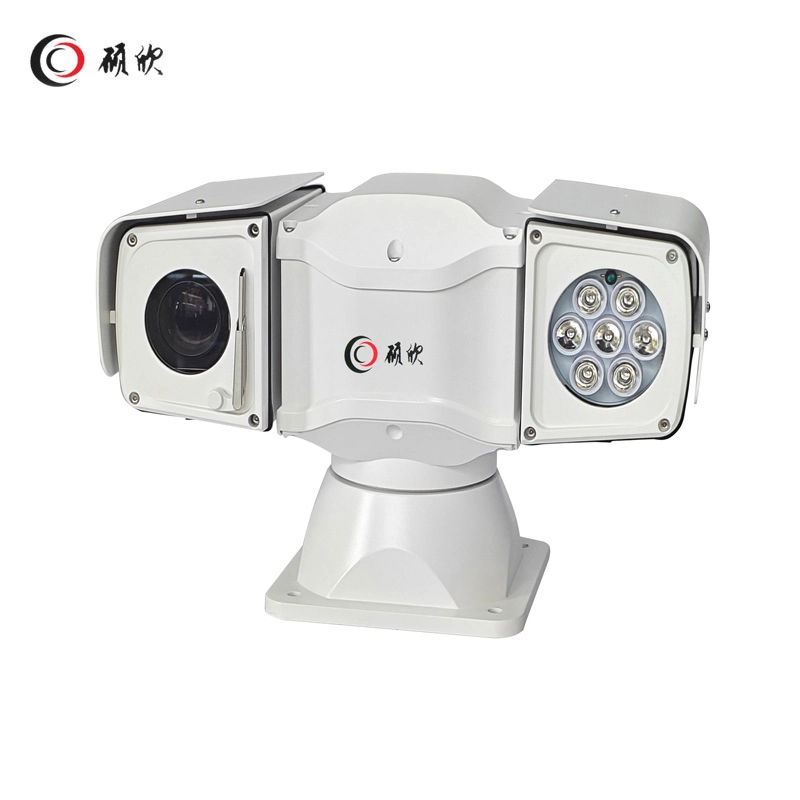
When you check a dark border or far road at night, you cannot count on natural light. You need a focused answer like the 150M Night Vision Vehicle PTZ Camera. This unit is built on purpose to deal with road hardships while giving an amazing 150-meter range in full dark. By setting this on the light top or a special roof holder of a check car, you get the skill to scan the edge for heat marks or moves that eyes would skip. The camera’s build includes strong parts that fit vehicle life, making it a go-to choice for teams that need constant, clear views during patrols or quick moves.
The idea of car placement depends on the car’s height and the hold’s steadiness. Since this camera has better balance tech, the picture stays even when the car goes over rough ground. This lets you follow a goal over a field or through trees without losing the view lock. The night see skill makes sure “hidden” dangers light up clear, changing the dark into a helpful edge for your group. In busy scenes, this means safer drives and better chase results, as operators can plan steps based on solid info from afar.
Frontier Defense: Border Control and Coastal Surveillance
Borders and shores stand as some of the hardest spots to guard because of their huge size. You do not watch just a few dozen meters; you cover kilometers of open ground or water. In these cases, the spot for your far-range PTZ cameras must follow the land shape. You want to set units on natural high lines or built towers that give matching view areas. This setup creates layers of cover, so no single blind area lets threats slip through without notice.
When you set far-range systems in these zones, you seek more than a simple picture; you want useful info. High-exact PTZ units let you scan the shore, close in on a odd boat miles out in water, and keep a sharp image even in strong winds. The strength of the outer case matters as much as the lens. Salt air and sand can wear down weak gear in months. By picking heavy-build, work-level PTZ systems, you make sure your spend lasts against the weather while keeping its right setup. These choices prove smart for long-term use, cutting down on fix needs and keeping watch steady year after year.
The team work between different camera spots along a border builds a “make-believe wall.” If one camera finds a break, the Network Positioning System can pass the set points to the next camera in line. This makes a smooth follow circle that tracks an unwanted person over long stretches, making sure they stay in your sight. Such linked systems turn big areas into manageable zones, where teams can share data fast and act together on alerts.
Forestry and Environmental Protection: Early Detection Systems
Wood fire stops and wrong cutting watch need a clear kind of watching plan. The best spot here often is a fire watch tower or a high sky talk mast. From these high views, one far-range camera can check thousands of land acres. This wide cover helps spot small starts before they spread, which saves effort and protects nature better.
The main worry in woods is finding smoke or heat early. Since these cameras often run on sun power groups and link by air bridges, good use and exactness matter most. You need a setup that you can set to do a steady “sweep” of the edge, pausing at planned stops to look for fire signs. The PTZ skill to go back to the same exact spot every time is what splits a wrong alert from a key save action. This repeat accuracy builds trust in the system, letting watchers focus on real threats instead of constant checks.
By using high-close lenses, you can see the first smoke bits from a thunder hit over 10 kilometers away. This early sign gives ground workers the time to get ready before a small fire turns into a wide-area mess. In forest care, such tools not only cut fire damage but also help track animal paths or human enters, adding layers to protect plans that cover more than just flames.
Professional Service and Technical Consultation
Picking the right spot is just part of the work; making sure the system runs at top level is the other part. Every area has its own sight problems, from heat waves in dry lands to mist on shores. That is why pro help is a must. We give full-end aid to help you set your turning systems, making sure your “Home” spots are right and your night see fits the light bounce of your surroundings. This tuning process takes time but pays off in clearer views and fewer errors during daily use.
If you are set to guard a high-worth edge or equip a group of special cars, our team waits to give the tech details and plan tips you need. Good safety builds on a base of top gear and smart plans. We also offer training for your staff, so they learn to use the systems fully, which boosts team skills and makes the whole setup work even better in real jobs.
Contact us today to discuss your project requirements:
Technical Support: Available for global deployment consultations. Our experts can visit sites to assess needs and suggest custom fits that match your exact setup.
FAQ
Q: How does a Network Positioning System differ from a standard PTZ motor?
A: A basic PTZ uses simple belt or gear parts that can slide over time, causing “drift” where the camera does not point just where you set it. A Network Positioning System uses high-exact step motors and coders that allow for full set point turning. This means you can enter a right GPS spot or an exact angle, and the camera goes there with almost no error room, which is key for far tracking. This tech shines in linked setups, where multiple units share positions to cover large areas without gaps.
Q: Why is 150 meters of night vision necessary for vehicle-mounted cameras?
A: When a car moves at fast speeds or checks a big border, 30 or 50 meters of see range passes quick. 150-meter night vision gives the “react space” needed to name a danger or block while it stays far enough to handle. It lets police watch suspects from afar without showing their spot with bright lights. This range proves vital in low-light chases, where extra time means safer stops and better evidence collection for reports.
Q: Can these cameras withstand extreme weather conditions in remote areas like forests or mountains?
A: Yes. These systems use work-level IP66 or IP67-rated cases. They have inside heaters and fans to stop lens cloud and ice build, and the outer covers fight rust from salt spray and chem touch. They build for the “set and leave” needs of far, no-watch places. In tough spots like high mountains or wet woods, this build keeps them running steady, with low upkeep that fits remote teams who check seldom but need full trust in the gear.



 English
  Russian
  French
  Japanese
  Korean
  Arabic
  German
  Italian