
The time of fixed and idle watching has passed. If you handle quick travel routes, you realize that a brief instant makes the choice between a slight delay and a terrible crash. Roads grow more packed, and cars move swifter, so the call for solid Intelligent Transportation Systems (ITS) stands at its top. To match this, you want over a simple camera; you want a sturdy, far-reaching setup that serves as a clever watchman.
Picture busy roads where every second counts for safety. Managers face rising numbers of vehicles each day. Without proper tools, small hold-ups turn into long backups. This setup changes how we watch and guide traffic. It spots issues early and keeps things moving. Cities rely on such systems to cut accidents and ease daily commutes. The tech brings real benefits, like faster response times and better road use.
Meet Your Partner in Critical Infrastructure
Before exploring the technical flow of traffic, it is essential to identify the manufacturer behind the infrastructure. Shuoxin is a leader in high-precision engineering, specializing in robust, long-range PTZ (Pan-Tilt-Zoom) solutions designed for the most demanding environments.
Rather than being simple vendors, Shuoxin operates as a designer of mission-critical surveillance hardware. Their equipment is engineered for continuous operation in sectors where downtime is not an option.
Shuoxin builds trust through years of solid work. Their team crafts each piece to face harsh tests. From sea winds to hill chills, the tools endure. Pros in security and transport pick them for dependability. The focus stays on real-world needs, like clear views in bad weather. This approach helps clients avoid costly breaks. Shuoxin offers more than products; they provide ongoing aid to keep systems running smooth. Their designs fit various spots, from borders to energy sites, always prioritizing uptime.
The Evolution of Modern Highway Management
Overseeing a road demands an overhead sight that covers long distances, not short ones. Old watching setups usually fall short since they miss the span to catch an event before it spreads into a large clog. You require a framework that picks up a stuck car 500 meters off as plainly as one near the view.
Early methods relied on basic fixed devices, which worked for close checks but struggled with wide areas. Now, advances allow full coverage of routes. This broad watch aids in route planning and early warnings. Data shows jams drop by up to 30 percent in peak times. The progress stems from sharper sensors and quicker connections.
Here, blending AI with precise tools alters the approach. With smart frameworks in use, you switch from after-the-fact fixes to forward planning. You gain the ability to foresee crowds, spot risks at once, and pass details to drivers right away. This move depends wholly on the strength of your road sights.
AI uncovers hidden patterns that people overlook, such as building slowdowns. It connects devices to signals for prompt notices. Drivers receive tips via apps or signs, avoiding trouble zones. This ahead-thinking method lowers wrecks and improves path efficiency. Urban areas cut repair costs and wasted gas as well.
High-Speed Precision: The Network Positioning Advantage
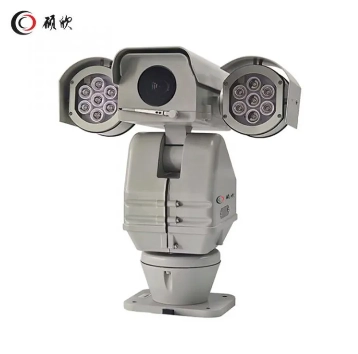
As you track cars at 120 km/h, firmness counts above all. A basic camera shakes wildly from road gusts or truck noise. To address this, consider targeted tools like the Highway PTZ camera with Network Positioning System.
This device excels due to its construction for pace and jolt handling. It employs components that grip tight, ensuring crisp images. Road workers choose it for extended views without shake. Installation proves straightforward, linking to main controls. It mounts on tall posts or structures with ease.
Different from light home devices, this expert-level framework employs a worm-gear turn and a solid shell to seize aims with sharp focus. As you magnify to check a strange item 1 kilometer along, the picture holds steady. This setup frame permits setting numerous spots on the road, letting the camera scan broad road sections on auto, halting just if AI notes something odd. It suits exact for distant open-air tasks where the aim distance often hits hundreds or thousands of meters.
The turn mechanism moves even, avoiding drifts in breezes. The shell wards off water and bumps. You assign locations for vital parts like curves or spans. AI scans for halts or accidents, magnifying swiftly. This self-scan frees up monitoring hours for staff. The reach includes all paths, catching minor troubles soon.
Intelligent Traffic Monitoring and Flow Optimization
After placing the tools, the programs manage to interpret the image info. Road movement goes beyond car tallies at a spot; it involves the fullness and pace of those cars over several paths.
Programs tally vehicles per path without burying pricey detectors in pavement. They measure usual paces and notice when a brake ripple starts to grow. This knowledge lets you alter shifting speed rules or free side paths for vehicles, maintaining even flow and lessening the halt-start that sparks back-end bumps.
Packed paths signal better strategies. AI draws from old clogs to guess high points. It forwards info to controls or displays for fluid changes. Tests show road pace rises 15 to 20 percent. Lower fuel use and content drivers result.
Specialized Applications: LPR and Incident Detection
A key issue for you might be protection and rule application. License Plate Recognition (LPR) on a road poses a huge skill hurdle from the involved quickness. You call for a camera featuring a capable CMOS sensor and a super-quick shut that captures a plate fixed, even in dark or strong downpour.
LPR nabs fast drivers or taken vehicles promptly. The sensor seizes neat plates amid motion. The shut halts action sharp. It functions round the clock, aiding law keepers to move fast. Ties to info stores verify plates in moments.
Past application, Automatic Incident Detection (AID) ranks as the chief aid for road protection. Should a vehicle pause in an active path or litter tumble from a truck, AI sets a prompt signal in the main area. This cuts the duty for a worker to view scores of displays together. Rather, the framework aims the PTZ camera straight at the threat, offering a clear 30x or 50x lens magnify sight so you send aid groups in moments.
AID also notes blazes or overturns. It magnifies on mishaps for scale review. Signals reach crews and close drivers. This speedy spot halves reply times. Saved lives arise from these prompt steps.
The Engineering Behind Long-Range Performance
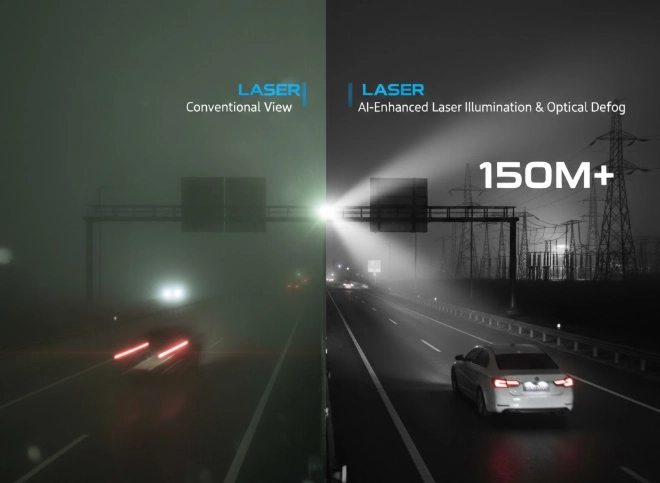
In open-air tracking, nature elements stand as your main rival. If you direct a woods blaze stop area or a far energy hub, you face haze, grit, and pitch black. To hold clearness, these expert PTZ frameworks use heat pictures or laser beams.
Heat pictures reveal hot areas in mist. Laser slices night deep. Both match roads for total guard. Constructions manage temp shifts without slip. This skill ensures nonstop tracking, whatever the conditions.
Laser beam outshines for road tasks as it stretches past 500 meters, outdoing usual IR lights by far. This grants sight into deep night, naming car styles or gauging a power changer state from a secure, distant point. Also, inner clear-haze counts assure that even in a foggy dawn, your sight stays keen and ready.
The beam keeps narrow, no loss in spread. It brightens plates or forms neat. Counts remove blur live. You obtain crisp sights for reviews. Span lets one device span miles.
Durability for the Toughest Environments
A camera atop a road frame or law car has to bear ongoing shake, harsh warmth, and biting smoke gases. The tools in talk include unique layers and IP67 seal guard.
Layers battle corrosion from vapors. Seal blocks fluid and particles total. Inside remains safe and even-temp. This holds up for years in rough places.
This design grade makes sure inner circuits keep chill in sandy blaze and toasty in frozen freeze. For tasks like edge guard or woods tracking, where upkeep proves hard and pricey from far sites, this simple-place-and-leave firmness ranks as the prime trait. You seek an aid that functions each login, no matter outer clime.
Few checks needed in tough-access zones. It thrives in salty air or flakes. Groups gain time and funds on care. Long span yields stronger worth long-term.
Future-Proofing Your Infrastructure
With self-run and tied vehicles rising usual, your road tracking must link direct to autos. Swift PTZ devices will act as core info hubs for these webs, passing live threat details to cloud storage. Through funding strong net setup frameworks today, you lay the ground for wise urban areas and self-move path lines of coming days.
Self autos demand instant info to swerve. Devices supply cloud for shared use. This binds roads to programs for prime rides. Coming webs expand on this ground. Guard levels climb as skills merge.
The turn to AI-guided, distant tracking marks no passing fancy; it counts as a must for current guard. Picking expert tools means opting to shield lives and peak the worth of your prime builds.
Fund now to guide shifts. Gains come in fewer mishaps and fluid motion. Roads grow safer and brighter with these aids. Your pick molds prime travel for everyone.
Service and Global Support
Selecting apt tools covers just part of the task; the rest lies in proper setup and steady upkeep. Professional service groups deliver beyond a mere case. They supply place checks to pick prime spots for distant guard and grant far skill aid to adjust AI counts for your exact setting.
Checks outline sights for zero dark areas. Aid refines for area light or pace. This fits tools spot-on from the outset.
Be it one piece for a targeted law car or a grand spread of thousands for a nation road effort, you merit a mate who supplies tailored code and firm shields. Top aid makes certain your funding holds peak output for long stretches.
Code refreshes bring fresh matches. Shields wrap parts and tasks. World groups hit any place swift. This total prop keeps you flowing even.
Contact
Ready to boost your road or distant tracking effort with field-top tools? Connect with our skill crew now for a review. We assist in choosing the precise lens magnify, heat powers, and setup sharpness needed for your open-air task.
Reviews tackle wants and plans. We demo matches for your build. Fast bids speed starts. Our aim stays your success.
FAQ
Q: Why is a Network Positioning PTZ better than a standard PTZ for highway use?
A: Standard PTZ cameras often use belt-drive systems that can slip or vibrate over time, especially in high-wind environments. A Network Positioning PTZ uses a high-precision worm-gear drive that provides much higher torque and stability. This allows the camera to stay perfectly still even at 50x zoom and return to its “home” position with 0.05-degree accuracy, which is essential for automated AI monitoring.
Belts drift in winds, losing target. Worm-gear grips solid, vital for deep magnifies. Sharpness skips re-sets. AI flows well with firm inputs.
Q: Can these cameras work in complete darkness over long distances?
A: Yes. For distances exceeding 150 meters, these systems typically use specialized laser illuminators rather than standard IR LEDs. Laser illumination provides a concentrated beam that can reach up to 500 or even 1,000 meters, allowing you to identify vehicles or monitor remote perimeters like substations and borders in total darkness.
IR drops off soon beyond near span. Laser drives distant, beaming neat. It names autos or watches far lines at pitch. No glow required for duty.
Q: How does the camera handle extreme weather like heavy fog or snow?
A: These professional units are equipped with “Optical Defog” or “Electronic Defog” technology. They use specialized sensors that can see into the near-infrared spectrum, which penetrates fog and smoke much better than visible light. Combined with internal heaters and high-speed wipers, the camera maintains a clear view in conditions that would blind a standard surveillance device.
Clear-fog wipes haze quick. Sensors pierce white storms. Warmers thaw frost on glass. Brushes clear flakes off. Sights hold neat in gales.



 English
  Russian
  French
  Japanese
  Korean
  Arabic
  German
  Italian