
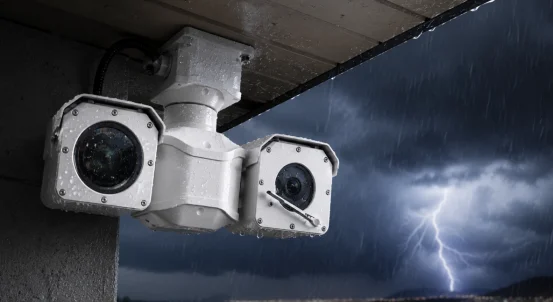
앎 날씨와 번개로부터 야외 보안 카메라를 보호하는 방법 방수 기능은 매우 중요합니다. 흐릿한 사진을 방지하고 부품을 안전하게 보호합니다. 실외 보안 카메라의 방수 및 방풍은 카메라 자체에서 시작됩니다. 브래킷, 전선, 접속함, 전원 공급 장치, 녹화기, 네트워크 스위치까지 모두 보호해야 합니다. 보안 카메라의 낙뢰 보호도 마찬가지입니다. 노출된 전선 하나만으로도 모든 것이 망가질 수 있습니다.
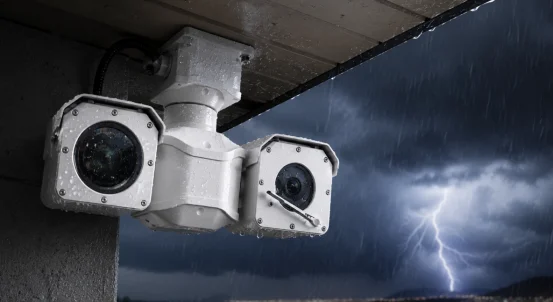
어떤 기상 요인이 실외 카메라에 손상을 줄 수 있을까요?
실외 카메라는 비뿐만 아니라 다양한 환경과 싸워야 합니다. 고온은 고무 씰을 갈라지게 하고, 눈은 렌즈를 덮으며, 강풍은 마운트를 흔들어 헐거워지게 합니다. 습한 공기는 커넥터를 손상시키고, 번개는 엄청난 위험을 초래합니다. 근접 낙뢰는 전원, 이더넷 또는 동축 케이블을 통해 엄청난 전력 서지를 발생시킬 수 있습니다.
비, 눈, 열, 응결
보안 카메라를 비로부터 보호하려면 처마 밑에 숨기고 아래쪽으로 향하게 하세요. 방수 보안 카메라 하우징을 사용하면 기둥에 설치할 때 도움이 됩니다. 단, 배수구나 통풍구를 절대 막지 마세요.
실외 카메라를 눈으로부터 보호하려면 렌즈가 지붕에서 떨어지는 물에 닿지 않도록 하십시오. 해당 지역의 추운 날씨에 적합한 장비를 선택하십시오. 보안 카메라 하우징에 결로가 생기는 것을 방지하려면 고무 개스킷을 점검하십시오. 카메라를 테이프로 감싸지 마십시오. 물이 내부에 갇히게 됩니다.
실외 보안 카메라에 가장 적합한 IP 등급은 지역에 따라 다릅니다. IP66과 IP67 보안 카메라를 비교해 보는 것이 유용합니다. IP66은 강한 물보라를 막아주는 반면, IP67은 잠깐 물에 빠뜨리는 것은 허용합니다. 이는 카메라 본체를 보호하는 것이지, RJ45 커넥터와 같은 작은 부품에 대한 보호는 아닙니다. 예를 들어, 슈오신(Shuoxin)의 열화상 PTZ 카메라 중 하나는 IP66 등급의 보호 기능을 갖추고 있으며, 다양한 환경에서 작동합니다. -35°C 에게 +55°C이 제품은 열선 유리, 성에 제거, 김서림 방지 및 강력한 와이퍼를 갖추고 있습니다.
카메라와 연결부를 방수 처리하는 방법은 무엇입니까?
보안 카메라 방수 방법을 문의할 때는 작은 구멍 하나하나를 심각하게 받아들여야 합니다. 카메라 덮개는 폭풍우에도 견딜 수 있지만, 덮개가 없는 구멍은 빗물로 가득 찰 수 있습니다.
케이블 경로를 밀봉하십시오
실외 보안 카메라 연결부를 방수 처리하는 방법은 다음과 같습니다. 보안 카메라 케이블용 방수 접속함을 구입하세요. 케이블 글랜드를 꽉 조여 사용하세요. 벽에 생긴 구멍은 실외용 퍼티로 메우세요. 실외 카메라 방수 접속함에는 플러그가 눌리지 않도록 충분한 공간이 필요합니다. 전선이 벽 안으로 들어가기 전에 물방울이 떨어지도록 아래쪽으로 U자 모양으로 구부려 주세요. 이렇게 하면 물이 쉽게 흘러내립니다.
더 안전한 설치 위치를 선택하세요
카메라를 안전한 지붕 아래에 설치하십시오. 빗물받이에서 멀리 떨어뜨려 놓으십시오. 카메라가 지붕 위의 가장 높은 금속 물체가 되어서는 안 됩니다. 브래킷을 단단히 고정하십시오.
번개와 서지로부터 시스템을 어떻게 보호해야 할까요?
보안 카메라를 번개로부터 보호하는 방법을 알아보려면 모든 금속 전선을 보호해야 합니다. 실내용 멀티탭은 실외 데이터 케이블을 보호하지 못합니다. 적절한 보호 장치를 사용하십시오. 보안 카메라 서지 보호 장치 짧은 접지선이 필요합니다.
시스템을 제대로 접지하십시오
실외 카메라를 제대로 접지하면 전력 서지가 땅으로 안전하게 빠져나갈 수 있습니다. 실외 보안 카메라 접지 방법은 전봇대와 배전반에 따라 다릅니다. 건물 주요 전선 작업은 반드시 전문가에게 맡기십시오.
모든 전도성 라인을 보호하십시오
PoE 시스템을 사용하는 보안 카메라 부품에는 PoE 서지 보호기를 사용하십시오. 보안 카메라 케이블이 집으로 들어오는 지점에는 이더넷 서지 보호기를 설치하십시오. PoE 카메라에 가장 적합한 낙뢰 보호 장치는 카메라, 케이블, PoE 스위치, 녹화기 및 전원 플러그를 모두 포함합니다.
CCTV 카메라를 낙뢰로부터 보호하려면 동축 비디오 케이블과 전원 케이블을 모두 보호해야 합니다. Wi-Fi 카메라의 경우 전원 플러그, 태양광 케이블, 라우터 및 녹화기를 보호하십시오.
백업 전원 추가
보안 카메라 시스템용 무정전 전원 공급 장치(UPS)는 정전 시에도 시스템이 계속 작동하도록 해줍니다. UPS는 매우 유용하지만, 접지선이나 서지 보호 장치를 대체할 수는 없습니다.
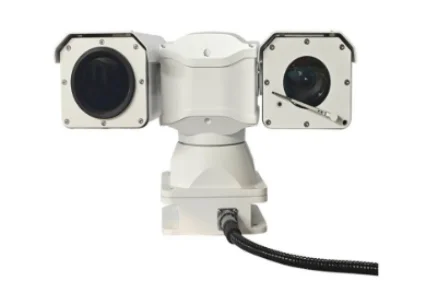
열화상 카메라와 장거리 PTZ 카메라에는 어떤 변화가 있을까요?
대형 PTZ 카메라는 브래킷에 상당한 하중을 가합니다. 움직이는 부품, 히터, 추가 배선 등이 있는 기둥이나 트럭에 설치되기 때문입니다. 설치하기 전에 방풍 및 플러그 밀봉 상태를 확인하십시오.
아 슈오신(A Shuoxin) 이중 스펙트럼 장거리 열화상 PTZ 카메라 일반 영상과 열선 영상을 혼합하여 보여줍니다. 360도 회전이 가능하며, 열선 유리, 성에 제거, 김서림 방지, 와이퍼 기능이 포함되어 있고, 선택 사양으로 트럭용 충격 흡수 장치도 제공됩니다. 악천후가 잦은 보트 및 소방 현장에 적합합니다.
값비싼 고장을 예방하는 유지보수 방법은 무엇일까요?
기상 안전은 지속적인 관리가 필요합니다. 고무는 시간이 지나면 노후화되고, 폭풍우 후에는 서지 보호 박스가 파손될 수 있습니다. 간단한 점검만으로도 비용을 절감할 수 있습니다.
월별 점검 및 폭풍 피해 복구 점검
유리를 깨끗이 닦으세요. 접속함 내부에 녹이 슬었는지 확인하세요. 폭풍우가 지나간 후에는 카메라, PoE 포트 및 네트워크 연결을 테스트하세요. 서지 보호기가 파손된 경우 반드시 교체하세요.
혹독한 야외 환경에 슈오신을 고려해야 하는 이유는 무엇일까요?
슈오신은 트럭, 고속도로 및 중장비 현장을 위한 스마트 장비를 제작합니다. 자체적으로 신속 배치형, 열화상형 및 장거리 PTZ 카메라를 생산하며, 도시 교통 관리 및 발전소 모니터링에 활용됩니다.
슈오신 이 회사는 강풍, 폭염, 혹한, 짙은 안개 등 극한 기상 조건에도 견딜 수 있는 완벽한 시스템을 구축합니다. ISO9001 품질 경영 시스템을 준수하며, 제품 사양서에는 IP66 등급 하우징, 열선 유리, 김서림 방지, 성에 제거, 와이퍼 등 실제 기상 조건에 최적화된 도구들이 명시되어 있습니다.
자주 묻는 질문
Q1: 실외 보안 카메라를 비로부터 보호하는 방법은 무엇인가요?
A: 카메라를 지붕 아래에 매달고 아래쪽으로 향하게 한 다음, 물받이 고리를 만들고 모든 플러그를 배선함 안에 숨기세요.
Q2: 보안 카메라 렌즈에 김 서림을 방지하는 방법은 무엇인가요?
A: 밀봉 부분을 확인하고 외부 유리를 닦으십시오. 카메라의 열선 도구를 사용하십시오. 습기가 있는 상태에서는 닫힌 카메라를 절대 열지 마십시오.
질문 3: 겨울철에 실외 카메라를 보호하는 방법은 무엇인가요?
A: 추운 날씨에 맞는 장비를 준비하세요. 앞 유리에 눈이 쌓이지 않도록 하고, 히터가 제대로 작동하는지 확인하세요.
질문 4: 번개가 보안 카메라를 손상시킬 수 있나요?
A: 네. 충격이 가해지면 카메라, 스위치 또는 배선이 손상될 수 있습니다. 모든 금속 케이블에는 접지선과 안전 박스를 사용하십시오.
Q5: UPS는 보안 카메라를 번개로부터 보호합니까?
A: UPS는 정전 시 도움이 되지만, 이더넷이나 동축 케이블 서지 보호기를 대체하는 것은 아닙니다. 적절한 낙뢰 보호 시스템은 여전히 필요합니다.