
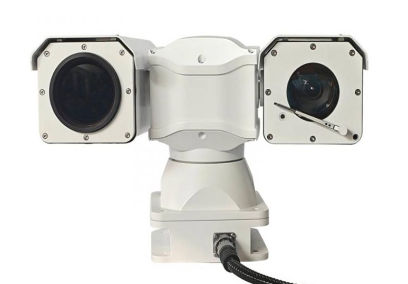
The ability to conduct precise surveillance and maintain situational awareness exists through night vision technology when there is no conventional lighting available. The ability to observe in total darkness serves as a critical requirement for border protection and transportation facility monitoring and industrial site security. Modern night vision systems depend on two fundamental technologies which include infrared and thermal imaging. The combination of bi-spectral integration with intelligent PTZ (Pan-Tilt-Zoom) systems enhances the performance of these systems.
Changzhou Shuoxin Electronic Technology Co., Ltd. operates as a top manufacturer of advanced night vision systems which provide reliable field-tested surveillance solutions. Shuoxin has achieved decades of experience through its dedication to innovation which enables them to deliver high-performance products for vital infrastructure protection and border security applications.
What Is the Principle Behind Night Vision in Total Darkness?
Night vision systems function by detecting energy which human eyes cannot perceive. The detection process for night vision systems depends on whether they use infrared illumination or thermal imaging technology.
Infrared Radiation Detection Mechanism
The ability to see at night depends on infrared light technology. All living organisms produce infrared energy which we call thermal radiation. The human eye fails to detect infrared light so night vision cameras function by detecting these specific wavelengths. The camera can detect darkness through infrared radiation even when no light is present. The radiation sensors in CMOS and CCD systems transform thermal radiation into video output which displays as black-and-white images or pseudo-color visuals based on system settings.
Thermal Imaging Versus Image Intensification
Thermal imaging technology detects temperature variations between different objects. Thermal imaging technology detects heat signatures that emanate from objects and human bodies. The system detects objects through heat signatures even when the environment is completely dark because no light exists. The system operates best in environments where smoke and fog and complete darkness prevent image intensifiers from working properly. The system uses light amplification to enhance existing light but it fails when there is no light source present.
Role of Bi-Spectral Technology in Enhancing Vision
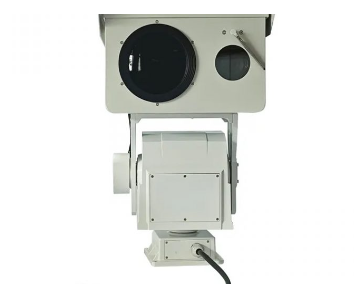
The Bi-spectral imaging system unites thermal and visible-light sensors into one unified platform. The dual-spectrum method improves object identification through the process of displaying thermal data on top of visual images. The system produces an image with high contrast that includes detailed contextual information. The Bi-spectral long range thermal imaging PTZ camera from Shuoxin provides heat signature detection and optical clarity at distances exceeding several kilometers.
How Do Infrared and Thermal Imaging Differ in Application?
The two systems operate through infrared wavelengths but they function differently because of their distinct spectral bands and sensor designs and environmental operating ranges.
Spectral Band Usage and Sensor Type
The operational range of infrared systems extends from near-IR to mid-IR and long-IR bands according to specific requirements. The 8–14 μm range of uncooled vanadium oxide detectors serves as the standard for thermal imaging applications in long-wave infrared detection. The Bi-spectral PTZ camera operates with an uncooled vanadium oxide detector which provides 640×512 resolution and detects radiation between 8~14 μm. The selection of sensors determines how well the system detects targets and its ability to operate at different distances.
Target Identification Capabilities
The ability of thermal imaging to detect heat sources including human bodies and engine heat makes it an excellent choice for intrusion detection. Near-infrared systems function best for detecting reflective objects which include vehicle plates and metallic surfaces. The dual-spectrum cameras from Shuoxin provide thermal detection capabilities together with optical clarity which enables them to operate effectively in both urban and remote environments.
Environmental Adaptability and Limitations
The system continues to operate through difficult weather conditions which include rain and smoke and heavy fog because traditional infrared illumination becomes ineffective. The camera produces a complete image in complete darkness through infrared night vision because it uses infrared LEDs to illuminate the camera’s field of view with invisible light. The infrared spectrum becomes unavailable when objects block the view through glass or when dense materials obstruct the path. Your surveillance system should include a Bi-spectral long range thermal imaging PTZ camera for achieving multi-environment reliability.
Why Is Bi-Spectral Technology Critical for Long-Range Surveillance?
The surveillance needs of high-value facilities extend beyond single-kilometer ranges because they need to monitor areas spanning multiple kilometers. The bi-spectral solutions provide both exceptional precision and operational adaptability for such extensive surveillance requirements.
Extended Detection Range with Dual-Sensor Fusion
The dual sensor system enables real-time monitoring through thermal and optical channels at the same time. The combination of these data streams improves both long-distance object detection and identification and enables automatic system transitions between different lighting environments. The PTZ camera features a 30~150mm lens which provides 5-kilometer detection range suitable for border and coastline surveillance.
Enhanced Recognition Through Image Overlay Techniques
The system combines thermal data with high-definition images through fusion to enhance identification capabilities. The system decreases false positive results while maintaining accurate interpretation of essential events in complicated environments. The PTZ camera systems from Shuoxin use sophisticated image fusion algorithms to help operators achieve better threat identification.
Precision Tracking Using Intelligent Algorithms
The tracking systems powered by AI technology can detect targets through heat signals while targets perform evasive actions. The system provides 360° endless rotation and tilt mechanics which enable you to track targets continuously throughout large areas. The camera system tracks targets automatically through its pan function which reaches 100°/s and its tilt function which reaches 60°/s for fast target response.
How Does Night Vision Support Critical Infrastructure Protection?
The continuous surveillance of strategic infrastructure facilities remains essential because they need protection from all times and weather conditions. Night vision technologies help organizations prevent threats in various industries through proactive security measures.
Perimeter Intrusion Detection at Industrial Sites
Security personnel at oil fields and power plants need to detect threats as soon as possible. Security devices known as night vision cameras function best when there is no light or minimal light available. Security personnel maintain continuous surveillance through these cameras which enables them to stop intruders before they reach physical entry points. The bi-spectral PTZ solutions from Shuoxin serve as the best choice for protecting power plants and oil fields and airport facilities.
Border Surveillance Under Low Visibility Conditions
Night vision systems deployed near international borders and rugged coastlines offer complete surveillance capabilities without needing external illumination. The bi-spectral night vision system operates continuously through all weather conditions and terrain types to boost national defense preparedness.
Transportation Hub Monitoring During Nighttime Operations
The operation of ports and freight yards and railway stations requires night vision systems that provide strong visibility during continuous operations. The systems help detect both unauthorized entries and suspicious activities which occur when facilities are not actively used. The PTZ cameras from Shuoxin provide dependable surveillance through remote operation for transportation facilities.
In What Ways Do PTZ Cameras Enhance Night Vision Capabilities?
PTZ cameras provide extended field coverage through their dynamic scene control system which makes them essential for real-time surveillance operations.
Dynamic Area Scanning with Pan-Tilt-Zoom Control
PTZ systems remove blind spots through their adjustable viewing angles which operators can control manually or through automated algorithms. The bi-spectral models from Shuoxin enable smooth scanning operations through built-in control systems which enable quick situation awareness.
Zoom Optimization for Target Verification
The ability to identify objects at long distances requires optical zoom functionality to function properly. The camera includes Optical Zoom 52x with 16x digital zoom capabilities which enable detailed inspection without pixel distortion for perimeter audits and vehicle recognition tasks.
Automated Patrol Modes for Continuous Monitoring
Your PTZ camera can operate independently through pre-defined patrol functions which enable it to follow scheduled routes. The system reduces operator work while it expands the monitored area. Shuoxin offers products with programmable patrol functions which work well for security posts that need no human attendance.
What Are the Key Features of Changzhou Shuoxin’s Bi-Spectral Cameras?
The full range of products from Changzhou Shuoxin Electronic Technology Co., Ltd. should be evaluated for applications that need both extended distance measurement and durable operation.
Dual-Spectrum Integration With Long Range Optics
These systems record thermal and visible data through advanced high-performance optics which enable them to detect targets at distances of multiple kilometers.
Rugged Design Suited for Harsh Environments
The cameras operate reliably in outdoor environments with IP66 certification and integrated heating elements which prevent defogging and defrosting.
Advanced Video Analytics Capabilities
The cameras use facial recognition and line-crossing alerts through their intelligent analytics system which operates with ONVIF-compliant software platforms for simple integration.
FAQ
Q1: How does thermal imaging differ from infrared night vision?
A: Thermal imaging detects heat emitted by objects, while infrared night vision uses IR LEDs to illuminate dark areas invisible to human eyes but visible to sensors.
Q2: What environments benefit most from bi-spectral PTZ cameras?
A: These systems work best for protecting borders and industrial areas and monitoring marine spaces and securing extensive facilities that need distant detection capabilities under different illumination conditions.
Q3: Are these night vision systems suitable for autonomous monitoring?
A: PTZ models enable pre-defined patrol routes and automated tracking systems which perform continuous surveillance without requiring human intervention.
Q4: Where can I find reliable bi-spectral PTZ solutions?
A: Users can visit Shuoxin’s official website to view their complete range of professional surveillance products.



 English
  Russian
  French
  Japanese
  Korean
  Arabic
  German
  Italian