
Defining Pixels Per Meter (PPM) and Its Relevance in Imaging
In long-range surveillance setups, the measure called Pixels Per Meter (PPM) holds a key spot in figuring out how well a camera setup can spot, know, or name targets at different ranges. PPM shows the count of image pixels that match one meter of the scene being watched. This links straight to the amount of detail you pull from a subject based on how far it sits from the camera.
A bigger PPM makes for sharper views of items, helping with more exact spotting, knowing, and naming (DRI). For instance, spotting movement might need just 1.5–2 PPM, but naming a face from afar could call for over 20 PPM. The effects matter a lot: too low a PPM lets you see that “something” exists, yet not what it is or who it is.
This split grows extra vital when you handle places like borders or woods, where ranges stretch far and each pixel matters. That is why matching imaging gear to fit task-specific PPM levels stands as a must for work success. In such tough spots, getting the right setup means you catch threats early and respond fast, boosting safety all around.
Standards and Thresholds for Detection vs. Identification
Business guidelines have noted for years the varied sharpness needs based on the type of watch. Spotting often starts at about 1.5–2 PPM—enough to note an item’s being there. Knowing, where a worker tells the item kind (like person against beast), often asks for 6–12 PPM. For naming, where the watcher must pick out single features such as face parts or outfits, sharpness from 12 to 20+ PPM proves key.
The needed PPM ties closely to the task setting too. Border watch calls for solid naming over huge ranges and mixed ground. On the other hand, forest fire stop focuses on quick heat oddity spotting over broad zones. So, pairing your camera setup’s skills to your use fits as not just nice—it’s vital. Picking gear that hits these marks helps avoid misses that could lead to big risks in real operations.
Surveillance Challenges Across Long Distances
Watching wide lands like borders or hilly wood areas brings special imaging hurdles. Weather like mist, showers, heat wobble, and dirt can twist sight clearness. Rough ground might hide sight paths, while changing light—mostly at dark—calls for steady change from your watch tools.
These cases demand imaging setups that keep high PPM over far ranges without losing sharpness or speed of frames. You require lenses that stretch to hundreds of meters without detail drop, plus heat skills that cut through weather blocks. Handling these issues right ensures your system works well day in and day out, giving you the edge in tough spots.
Optimizing Border Surveillance with Bi-spectral PTZ Cameras
For border tasks where naming a target before it passes a line counts as key, bi-spectral PTZ cameras offer a strong fix by mixing both clear light and heat imaging into one unit. This two-way method guarantees round-the-clock watch—day light gives color-full pictures while heat stretches sight in dark or murk.
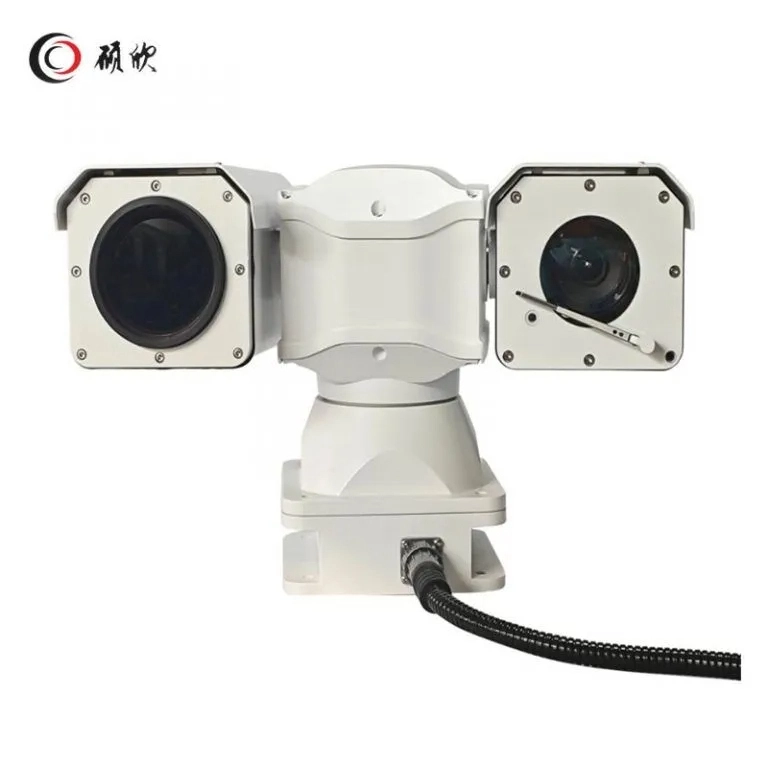
One solid choice for this setting is the bi-spectral long range thermal imaging PTZ camera. It has a 52X optical zoom lens (6.1-317mm), which holds high PPM even at long zoom points and great ranges. Paired with a 640×512 uncooled thermal sensor and strong auto-track tools, it lets real-time sorting and chase of moving targets over huge open lands.
Horizontal field of view 61.8-1.6°(wide-tele) and Minimum Working distance 100mm-2000mm (wide-tele) make sure that far-range sight does not harm focus or clearness when zoomed close. Such features turn a basic camera into a smart guard that adapts to what is happening right then.
Meeting Identification Thresholds with Long Focal Lengths
Keeping high PPM at range needs more than plain sharpness—it rests on lens build. Long focus points shrink the view area but boost pixel pack over distance. Powered zoom lenses let you shift focus and frame based on action spots, making sure you stick to naming-level sharpness marks.
The add of warmed glass for clearing fog and frost stop keeps steady imaging work in cool or wet airs, while 360° turn and ±90° lean give full scene grasp. When mixed with AI-help checks—like cross-border spot or staff track—you get not just sight but smarts at the edge. This setup proves its worth in keeping watch tight and responses quick.
Early Fire Detection Requirements and Imaging Demands
Wildfire stop needs fast spot of start points before they grow into wild burns. This job gets tricky: spot zones might reach across kilometers of wood land, often without people around. What you want is a setup that scans big patches non-stop while holding heat feel sharp enough to name small temp odd spots.
Wide-area cover must weigh against the push for sharpness—PPM fine-tuning makes sure you do not just eye smoke but nail its start. In fire-prone areas, this balance saves time and lives by catching issues before they blow up. Reliable tools here mean fewer false alarms and more real saves.
Leveraging Multi-spectral Imaging for Fire Monitoring
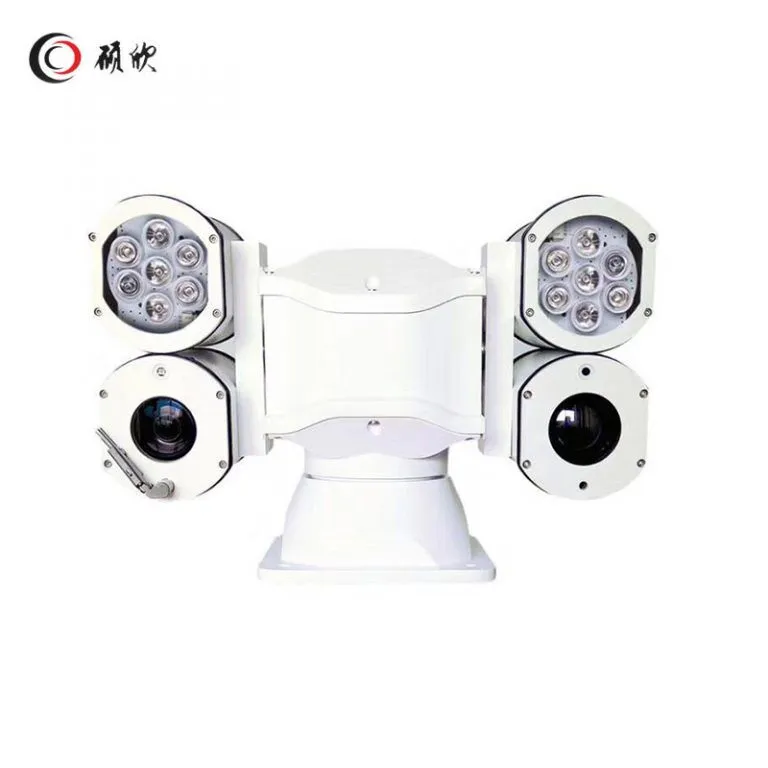
In wood watch cases, the multi-spectral long range thermal imaging PTZ camera gives a useful aid by blending clear light, heat imaging, and extra SWIR/NIR sensors if picked. This many-sensor mix lets you name hot spots unseen in day light and watch shifts over light bands with now checks.
Night vision distance 120~150 meters allows exact night watch without need for outside light sources. Now temp reads help size up danger before people eyes spot clear signs. Plus, its turn-lean-zoom work (360° steady turn and up to +90° lean) lets full cover without gear shift waits—key for grabbing quick-spread fires at their start. These tools make monitoring not just possible but effective in hard wild settings.
Technical Considerations When Selecting Imaging Systems Based on PPM Requirements
When picking your imaging fix, a few factors shape the got PPM: lens focus length, sensor sharpness, and view field form the base. High-sharpness sensors (like 1080p or more) with long focus lenses can give great PPM at range but might swap frame speed or broadness of field.
Horizontal field of view 61.8-1.6°(wide-tele) shows this swap well—a tight view boosts detail but cuts area cover per frame. Weather factors hit your real sharpness in the field too. Air twists from heat waves or wetness can mess with heat clearness. So, tough shells, rain-proof IP66-grade boxes, and steady holds stand as musts for steady work in outside sets. Thinking through these picks leads to setups that last and perform under real stress.
Integration Capabilities and System Scalability
Today’s watch calls for fitting into bigger setups—your camera can’t work alone. Whether you set up along a country border or over fire-risk wood zones, your imaging setup should link smooth with video handle software (VMS), radar feeds, and AI-risk spot motors.
Shuoxin’s picks—which you can check via their main site at cctvczsx.com—fit these wants in mind. With ONVIF match and RS485/PELCO control ways built into most types, linking to main command setups runs easy. Far health check tools and auto-set features make sure the setup stays at top work over time—even in far spots—cutting fix visits and upping trust time. Shuoxin focuses on making gear that grows with your needs, from small tests to full rolls.
Professional Services and Support
To make your setup work as hoped from the first day, tech aid counts as not extra—it’s a must. Shuoxin gives custom talks based on your site’s ground and watch aims. Using mock tools to shape work before set helps you see real cover and sharpness across your watch zone.
Their checked techs give on-spot start services and train plans fit to your work style—whether you watch a power spot or scout a wood line by law car. You can touch their guides straight via their link page or ask for fact sheets and show times based on your set task reach. With this aid, you skip guesswork and get systems tuned just right for your goals.
FAQ
Q: How do I calculate how much PPM I need for my application?
A: Figure the detail level wanted (spotting vs. naming) and your aim range; then pair it with your camera’s sharpness and lens facts to make sure enough pixel pack per meter in sight.
Q: Can one camera provide both wide-area surveillance and detailed target identification?
A: Yes—with powered zoom lenses and PTZ work, one top-setup system can scan big areas and then zoom to hit naming-grade PPM when called for. This flex saves on gear and keeps watch simple.
Q: Are thermal cameras affected by weather conditions like fog or rain?
A: While heat cameras do better than clear ones in low-light or blocked airs, air factors like hard rain or heat wobble can still cut image clearness. Picking types with fog-clear tools aids in fighting this. In the end, smart picks keep your watch strong no matter the weather throw at you.



 English
  Russian
  French
  Japanese
  Korean
  Arabic
  German
  Italian