
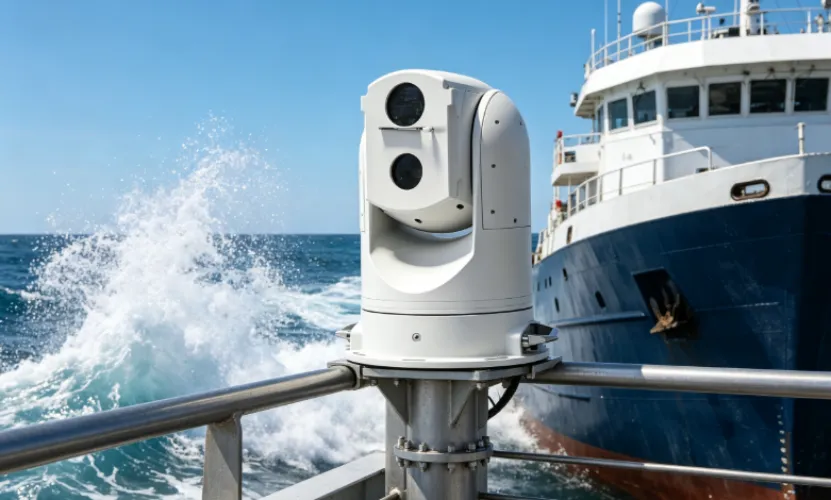
Auswahl eines Marine PTZ Kamera Für ein Boot ist es nicht so, wie eine normale Werfkamera zu kaufen. Auf dem Wasser werden die Dinge wirklich schwierig. Die Kamera steht Wind, Salznebel, Schüttelmotoren, Regen und dunklen Nächten gegenüber. Außerdem haben Sie schlechte Blendung von der Sonne. Man muss die Dinge auch von sehr fern sehen. Vielleicht musst du ein winziges Boot in der Nähe des Hafens erkennen, oder vielleicht musst du nachts ein seltsames schwebendes Ding überprüfen. Deshalb ist eine echte Schiffsüberwachungskamera so hilfreich.
Ein guter Mensch muss drei Aufgaben gleichzeitig erledigen. Es muss eine weitreichende PTZ-Kamera, eine thermische PTZ-Kamera und ein harter Außenschutz sein.
Shuoxin ist ein Technologieunternehmen, das intelligente Sicherheitsgeräte herstellt. Sie bauen marine PTZ-Kameras, thermische Langstreckenkameras, LKW-Kameras und große PTZ-Systeme für schwere Lasten. Die Menschen verwenden ihre Ausrüstung auf Straßen, an Flughäfen und zur Grenzverteidigung.
Sie helfen auch bei maritimen Angelegenheiten, Waldbränden und Naturschutz. Für Seearbeiten verpackt ihre gyro-stabilisierte Marine PTZ-Kamera viel. Sie mischt normales Video, Wärmebildgebung, Gyro-Stabilisierung, optischen Zoom, ONVIF und SDK-Unterstützung. Außerdem hat es IP67 Schutz, um draußen zu überleben.
Warum brauchen Schiffe eine professionelle Marine PTZ-Kamera?
Die Boote bewegen sich ständig. Auch an ruhigen Tagen schüttelt der Motor. Die Wellen stoßen auf den Rumpf. Dies zerstört einen normalen Videofeed. Eine feste Kamera weist nur in eine Richtung. Es kann nicht einem bewegenden Ding auf dem offenen Wasser folgen. Aber mit einer Marine PTZ-Kamera können Sie Pannen, Neigen und Zoomen. Sie können große Flächen leicht fegen. Dann können Sie direkt zoomen, wenn etwas schlecht aussieht.
PTZ Control deckt breitere Meeresgebiete ab
PTZ bedeutet Pan, Tilt und Zoom. Es lässt das Objektiv links, rechts, oben und unten gehen. Sie bekommen auch Brennweitensteuerung.
Die Wissensbasis sagt, dass diese PTZ-Systeme auf acht Arten aussehen können. Sie machen Zoom, Fokus, voreingestellte Punkte, Cruise, Tracking, Scannen und 3D-Positionierung. Auf einem Schiff ist das eine große Sache.
Eine einzige Kamera überprüft das Deck, andere Boote und den Hafenweg. Er beobachtet sogar die Küste. Sie müssen keine zusätzlichen Kameras kaufen.
Langstreckenmonitoring reduziert Blindflecken
A Langstreckenkamera PTZ für die maritime Überwachung können Sie weit über Ihr Boot hinweg schauen. Let’ Sagen Sie, ein Schiff kommt auf Sie von der Seite. Es sieht zuerst wie ein winziger Punkt aus. Mit optischem Zoom und PTZ-Bewegungen verfolgen Sie es sofort. Sie warten nicht darauf, dass es super nah kommt. Diese zusätzliche Warnzeit ist der Schlüssel. Es hilft eine Tonne für Hafensicherheit, Seeplattformen und Seesuche.
Welche wasserdichten und korrosionsbekämpfenden Eigenschaften sollten Sie überprüfen?
Salziges Meerwasser ist gemein. Es bricht die Dinge schnell. Es ist egal, ob Ihre Kamera viel Geld kostet. Schwache Gehäuse, Schrauben oder Dichtungen werden rosten. Die Kabel werden schnell zerstört. Daher benötigt eine wasserdichte PTZ-Kamera für Schiffe eine gute Witterungsbeständigkeit. Es ist ein Muss, nicht nur ein schönes Extra.
IP67 Schutz ist ein praktischer Ausgangspunkt
Eine IP67 Marine PTZ Kamera bekämpft Staub und Wasser. Die Wissensbasis stellt fest, dass IP66/IP67-Gear Staub, Regen und Schnee verhindert. Einige PTZ-Systeme im Freien arbeiten sogar bei verrückt kaltem Wetter, wie -40 ° C. Für Boote bedeutet diese Bewertung, dass die Kamera durch Regenstürme, Ozeanspray und schlechte Reisen lebt.
Korrosionsbeständigkeit schützt den langfristigen Wert
Eine korrosionssichere Marine PTZ-Kamera benötigt eine harte Hülle. Es muss dichte Dichtungen und marine-grade Halterungen haben. Es könnte am ersten Tag glänzend aussehen. Aber der echte Test findet nach ein paar Monaten in der salzigen Brise statt. Ein winziger rostiger Stecker kann später große Reparaturkopfschmerzen verursachen. Es ist super ärgerlich und kostet zu viel Geld.
Warum sind Wärmebildgebung und Nachtsicht wichtig?
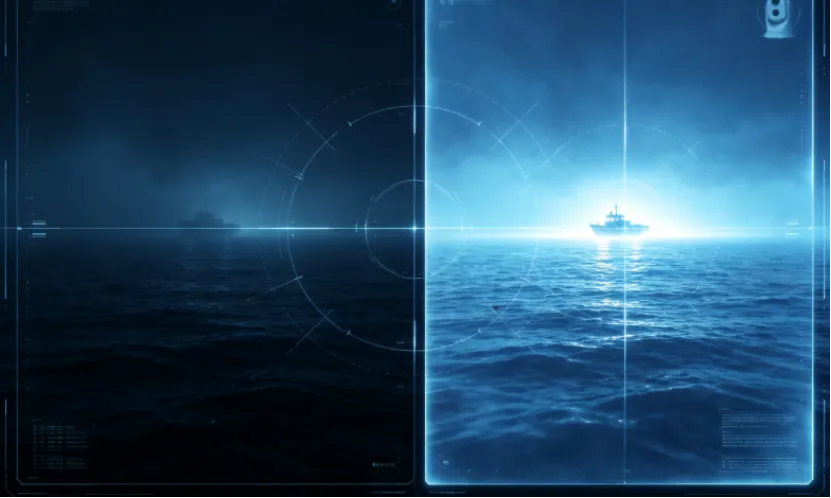
Die Seeuhren hören nicht auf, wenn die Sonne untergeht. In der Nacht funktioniert eine Schiffsüberwachungskamera am härtesten. Normale Lichtkameras fallen bei Dunkelheit, Nebel oder starkem Regen aus. Aus diesem Grund wollen Käufer jetzt eine Dual-Spektrum-Marine-PTZ-Kamera.
Wärmebildgebung hilft versteckte Ziele zu erkennen
Eine Wärmebildkamera für Schiffe sucht nach Wärme. Es findet leicht Jungs, Boote, Autos oder Müll im Wasser, wenn es zu dunkel ist, um zu sehen. Die Wissensbasis sagt, dass Wärmebildgebung großartig für die Kantensicherheit bei allen Wetterbedingungen ist. Diese thermischen Systeme verbinden sich mit PTZ-Kameras. Zunächst erkennen sie die Hitze. Dann zoomen sie ein. Das passt perfekt zu Seearbeiten. Fangen Sie es weit, dann schauen Sie genau.
Starlight Imaging hilft bei der Identifizierung von Details
Eine Nachtsichtkamera mit Sternenlicht-Tricks bietet Ihnen klarere Videos bei super geringem Licht. Die thermische Seite sagt Ihnen, dass sich dort etwas versteckt. Die sichtbare Seite sagt Ihnen genau, was es ist. Eine Kamera, die beide verpackt, gibt Ihnen die ganze Geschichte. Dies hilft wirklich in der Nähe von Häfen, Küsten und sicheren Gewässern.
Wie wichtig ist der optische Zoom für die Fernzielerkennung?
Der digitale Zoom bläst nur Pixel aus. Es sieht blocky aus. Der optische Zoom erfasst echte, scharfe Details. Auf dem offenen Wasser macht das einen großen Unterschied. Mit einer Marine PTZ-Kamera mit optischem Zoom können Sie ferne Dinge beobachten und gleichzeitig das Bild kristallklar halten.
52x optischer Zoom hilft Ihnen, klarer zu sehen
Der Shuoxin marine Modell packt eine 1/1,8-Zoll 2MP sichtbare Kamera. Es verwendet einen 52x optischen Zoom. Es bringt auch eine 640 × 480 Wärmebildkamera.
Diese Einheit macht eine 360 ° kontinuierliche Panne. Es kann von -90° bis 90° geneigt werden. Sie erhalten 256 Voreinstellungen, Cruise-Scanning und Zwei-Achsen-Gyro-Stabilisierung. Sie können sogar optional einen Laserbereich von 1000 m hinzufügen.
Diese Fakten passen perfekt zu einer weitreichenden Meeresüberwachungskamera. Es rockt für Schiffe, Küstenkontrollen, Grenzverteidigung und Seerettung.
Gyro-Stabilisierung hält das Bild nutzbar
Eine gyro-stabilisierte PTZ-Kamera ist bei Stoßbooten so wichtig. Wenn Sie es nicht haben, schüttelt ein eingezoomtes Video wie verrückt. Aber mit der zweiachigen Gyro-Stabilisierung bekämpft das Objektiv die Wellenstöße. Es bewältigt das Schwingen des Bootes. Sie bekommen einen glatten, stetigen Blick auf Ziele weit entfernt.
Warum ist ONVIF wichtig für Schiffssicherheitssysteme?
Eine Kamera ist grundsätzlich Müll, wenn sie nicht mit Ihrem Computer spricht. Die meisten Offshore-Jobs verbinden Kameras mit einem NVR, einem VMS, einem Command Center oder einem Flottentracker. Deshalb ist ein ONVIF PTZ Kamera rettet den Tag.
ONVIF unterstützt Video- und PTZ-Steuerung
Die Wissensbasis besagt, dass RTSP hauptsächlich Videostreams schiebt. Sie vergessen die PTZ-Teile. Um das Objektiv tatsächlich zu fahren, brauchen Sie Regeln wie ONVIF. Wenn Sie also die Kamera richten, zoomen oder Presets verwenden möchten, prüfen Sie nach ONVIF-Unterstützung. Tun Sie dies, bevor Sie Ihr Geld ausgeben, um sich einem größeren Schiffssicherheitskamera-System anzuschließen.
SDK-Support hilft kundenspezifischen Marineprojekten
Für die Technologiehersteller spart der SDK-Support Arbeitsstunden. Ein Polizeiboot, ein Hafenbüro oder ein Meeresrig benötigen möglicherweise spezielle Steuerungen. Vielleicht brauchen sie Alarmhaken oder seltsame Plattformverbindungen. Eine ONVIF-Kamera für Schiffssicherheitssysteme mit SDK-Unterstützung bietet Ihnen die Möglichkeit, sie auf Ihre Weise zu bauen.
Welche Anwendungen passen am besten zu einer Marine PTZ-Kamera?
Eine professionelle Meeresüberwachungskamera gehört dort, wo die Menschen weit draußen schauen müssen. Zu den tollen Orten gehören Bootsfolgung, Hafen- und Hafensicherheit, Küstenbeobachtung und Seegrenzwachter. Sie stützen sich auch auf den Schutz von Offshore-Vermögenswerten, Seestraßen, Strandbrandwarnungen und Meeressuchen.
Eine PTZ-Kamera für Hafen- und Hafensicherheit überwacht die Vordertüre und bewegende Schiffe. Eine Marinekamera für die Offshore-Überwachung überprüft Ölrigs, Windblätter und Solaranlagen an der Küste. Für all diese Aufgaben brauchen Sie ein starkes System. Es muss Wetterrüstung, Wärmebildgebung, optischen Zoom, Nachtsicht und reibungslose PTZ-Steuerung haben.
FAQ
Q1: Was ist eine Marine PTZ-Kamera?
A: Eine Marine PTZ-Kamera ist eine Pan-, Tilt- und Zoomkamera. Es ist für Boote, Häfen und Küsten gemacht. Es hilft Ihnen, riesige Räume zu fegen und schnell auf ferne Dinge zu zoomen.
Q2: Warum brauchen Schiffe eine Langstreckenkamera?
A: Boote brauchen eine Langstreckenkamera, weil die Sachen auf dem Meer weit und schnell sind. Mit optischem Zoom und PTZ können Sie sie viel schneller erkennen, verfolgen und kennen.
Q3: Ist Wärmebildgebung für die Schiffsüberwachung notwendig?
A: Ein thermische PTZ-Kamera ist erstaunlich für Nacht, Nebel, Regen und dunkle Zeiten. Es erkennt Männer, Schiffe und Gegenstände, die eine normale Kamera überspringt.
Q4: Welche wasserdichte Bewertung ist am besten für eine Marine PTZ-Kamera?
A: Eine IP67 Marine PTZ Kamera ist eine Top-Wahl für Boote. Es bekämpft Schmutz und Wasserspritze. Es bewältigt Regen, schwere Seespray und harte Outdoor-Ausflüge schön.
Q5: Warum ist ONVIF wichtig für Meeresüberwachungssysteme?
A: Eine ONVIF PTZ-Kamera schließt sich einfach an NVRs, VMS-Hubs und Kontrollräume an. Es ermöglicht es Ihnen, die PTZ-Bewegungen zu fahren, was ein Muss für jedes Schiffssicherheitskamerasystem ist.