
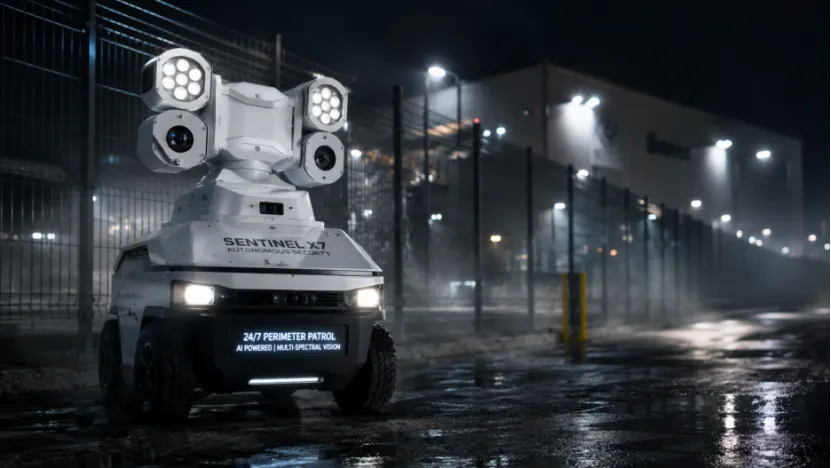
A роботизированная камера видеонаблюдения Это не просто ещё одно видеоустройство на мобильной платформе. Это та часть, которая определяет, сможет ли ваш робот видеть, оценивать ситуацию и реагировать на происходящее. Для круглосуточного патрулирования периметра это имеет огромное значение. Робот может двигаться вдоль забора всю ночь, но если он не может обнаружить человека в темноте, подтвердить цель или отслеживать движение на расстоянии, патрулирование будет полезно лишь наполовину.
Именно здесь многоспектральная PTZ-камера становится ценным инструментом. Она объединяет в одной системе тепловизионное обнаружение, визуальное подтверждение, PTZ-слежение и снижение количества ложных срабатываний. Для крупных объектов, таких как заводы, склады, электростанции, логистические центры, порты и промышленные парки, это может стать решающим фактором между «сработала тревога» и «вы знаете, что произошло».
Почему круглосуточному патрулированию периметра необходим улучшенный обзор?
Периметровая охрана обычно является первой линией обороны. Чем больше объект, тем сложнее контролировать каждые ворота, угол забора, тем сложнее контролировать каждую темную дорогу и зону погрузки. Охранники устают. Стационарные камеры оставляют слепые зоны. Традиционные сигнализации могут сообщить о перемещении объекта, но не всегда указывают на его местоположение.
Роботам-охранникам нужно больше, чем просто мобильность.
Автономный патрульный робот может перемещаться сектор за сектором и достигать зоны тревоги быстрее, чем охранник, идущий из кабины. Но одной мобильности недостаточно для решения основной проблемы. По-прежнему необходима роботизированная камера видеонаблюдения, способная видеть в условиях низкой освещенности, справляться с плохой погодой, приближать изображение удаленных целей и передавать полезные данные в диспетчерскую.
Опыт отрасли также указывает на четкую тенденцию: камеры видеонаблюдения переходят от простой видеозаписи к интеллектуальным терминалам с интеллектуальным обнаружением, дистанционным управлением и связью с облачными или платформенными системами. Это хорошо подходит для роботов-охранников, поскольку роботу нужна камера, которая может работать как система датчиков, а не просто как регистратор.
Чем отличается многоспектральная PTZ-камера?
Обычная камера видимого диапазона сильно зависит от света. Тепловизионная PTZ-камера считывает тепловые сигнатуры. многоспектральная PTZ-камера Этот метод сочетает в себе несколько способов получения изображений, поэтому ваш робот может сначала обнаружить объект, затем проверить его, а потом отследить. Такой многоуровневый подход практичен, а не является просто маркетинговым ходом.
Тепловизионная система обнаруживает цели в темноте.
Тепловизионное обнаружение помогает вашему роботу обнаруживать людей, транспортные средства или животных в условиях недостаточного видимого освещения. В реальных условиях это может означать ночное патрулирование вдоль забора, тихую парковку после полуночи или пыльный въезд на строительную площадку, где видимая камера может оказаться бессильной.
В базе знаний отмечается распространенная проблема традиционных систем периметровой безопасности: видимые камеры выходят из строя в темноте, погодные условия могут мешать срабатыванию сигнализации, а старые системы часто срабатывают слишком поздно. Также упоминается, что количество ложных срабатываний в традиционных системах может быть очень высоким, иногда превышая 30%. Это тот показатель, который руководители служб безопасности не хотели бы видеть в еженедельных отчетах.
Визуальная проверка превращает обнаружение в доказательство.
Тепловизионная съемка хорошо справляется с обнаружением тепловых объектов, но операторам все равно необходимо знать, на что они смотрят. Это рабочий? Бродячая собака? Грузовик? Человек, пытающийся перелезть через забор? Визуальная проверка предоставляет вашей команде необходимую информацию для принятия решения.
Именно поэтому многоспектральная тепловизионная PTZ-камера дальнего действия полезна в качестве полезной нагрузки для робота-охранника. Продукт Shuoxin сочетает в себе тепловизионную съемку, видимый диапазон, поддержку лазера или ИК-излучения, оптический зум, PTZ-управление, ONVIF, интеллектуальное обнаружение, противотуманное и размораживающее излучение, а также защиту IP66. Проще говоря, она создана для работы в условиях загрязнения на открытом воздухе, а не только для чистых демонстраций в выставочных залах.
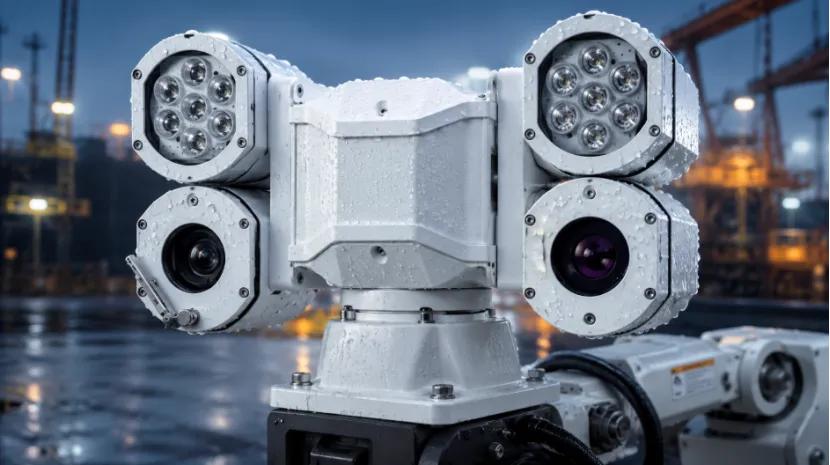
Как отслеживание положения и наклона устройства (PTZ) помогает во время инцидента?
Когда человек идёт вдоль забора, стационарная камера может потерять цель, как только он выйдет из кадра. PTZ-камера может поворачиваться, наклоняться и масштабироваться. Это очень важно во время прямых трансляций.
Камера должна следовать за целью.
Отслеживание PTZ позволяет роботизированная камера для патрулирования периметра Для поддержания визуального контакта с движущейся целью. Камера может вращаться по широкой области, приближать изображение к удаленному движению и следить за объектом, пока робот продолжает свою задачу или останавливается в безопасном месте.
Технические характеристики продукта демонстрируют типичные функции поворотного механизма, такие как непрерывное вращение на 360°, наклон, предустановленные положения, слежение и высокая скорость поворота. Для робота-охранника эти детали имеют значение. Человек, перемещающийся между припаркованными грузовиками, не будет вежливо ждать, пока камера его догонит.
Как многосенсорная визуализация может снизить количество ложных срабатываний?
Ложные срабатывания приводят к потере времени. Слишком большое их количество также приучает вашу команду игнорировать оповещения. Это опасно. Ветер, дождь, тени, насекомые, мелкие животные, свет от проезжающих автомобилей и незакрепленные пластиковые пакеты — все это может создавать помехи в системе периметра. Любой, кто работал с наружными камерами, знает, что эта проблема очень реальна.
Снижение количества ложных срабатываний достигается за счет перекрестной проверки.
Снижение количества ложных срабатываний происходит эффективнее, когда система не полагается только на один сигнал. Тепловое обнаружение определяет источник тепла. Визуальная проверка подтверждает цель. Интеллектуальное обнаружение может поддерживать обнаружение пересечения границ, обнаружение вторжения в зону, обнаружение праздношатания, обнаружение быстрого движения, обнаружение парковки, обнаружение смены обстановки и распознавание лиц. Затем PTZ-трекер следует за объектом для подтверждения.
В базе знаний также описываются тепловизионные системы периметра, которые классифицируют людей, транспортные средства и животных, а затем связывают PTZ-камеры для фиксации на целях. Это направление, к которому стремятся многие службы безопасности: меньше бесполезных сигналов тревоги, более быстрая реакция и более убедительные доказательства.
Как выбрать полезную нагрузку для робота-камеры видеонаблюдения?
Выбор роботизированной камеры видеонаблюдения — это не только вопрос количества пикселей. Разрешение, безусловно, важно, но дальность патрулирования, ночное видение, вибрация, погодные условия, поддержка протоколов и интеграция не менее важны.
Обратите внимание на совместимость с внешним пространством, интеграцию и качество обслуживания.
Для автономного патрулирования выберите уличную роботизированную камеру видеонаблюдения с тепловизионным экраном, оптическим зумом, функцией PTZ-слежения, поддержкой PTZ-камер, совместимых с ONVIF, интеллектуальным обнаружением, возможностью работы в условиях низкой освещенности и прочным корпусом. Защита IP66, рабочий диапазон температур от -35°C до +55°C, поддержка стеклоочистителей и функции размораживания — это не просто дополнительные функции. Они позволяют использовать камеру даже в плохую погоду.
Shuoxin — это технологичный производитель, специализирующийся на оборудовании для интеллектуальных систем видеонаблюдения. Благодаря широкому ассортименту продукции и областям применения, продукция компании идеально подходит для патрулирования дорог, обеспечения общественной безопасности, транспорта, экологического мониторинга, электроэнергетики и мобильного видеонаблюдения.
Ценность компании заключается не только в производстве камер, но и в создании систем видеонаблюдения, которые можно адаптировать к реальным условиям обеспечения безопасности, где важны стабильное изображение, управление поворотом и длительное время работы. Для интеграторов, разрабатывающих роботов для систем безопасности, этот практический инженерный опыт зачастую оказывается полезнее, чем длинный список функций.
Более подробную информацию можно найти на сайте Shuoxin при планировании поездки. Тепловизионная PTZ-камера для роботов-охранников
.
ЧАСТО ЗАДАВАЕМЫЕ ВОПРОСЫ
В1: Какая роботизированная камера видеонаблюдения лучше всего подходит для патрулирования периметра?
A: Лучшая роботизированная камера для наблюдения за периметром должна сочетать в себе тепловизионное обнаружение, визуальную проверку, оптический зум, PTZ-слежение, интеллектуальное обнаружение, поддержку ONVIF и надежную защиту от внешних воздействий.
В2: Зачем роботам-охранникам нужна тепловизионная съемка?
А: Тепловизионное обнаружение помогает роботам находить людей, транспортные средства и животных в темноте, тумане, пыли или в условиях низкой освещенности, где видимые камеры могут пропустить важные движения.
Вопрос 3: Как видимая проверка помогает командам безопасности?
А: Визуальная проверка позволяет операторам подтвердить, является ли тепловизор реальным нарушителем, транспортным средством, животным или обычной активностью на объекте. Это помогает вашей команде правильно реагировать.
Вопрос 4: Может ли отслеживание положения и наклона устройства (PTZ) снизить риски безопасности?
А: Да. Функция PTZ-слежения помогает камере следить за движущейся целью, увеличивать изображение для детализации и поддерживать видимость события, пока данные передаются в командный центр.
В5: Помогает ли многоспектральная PTZ-камера снизить количество ложных срабатываний?
А: Да. Многоспектральная PTZ-камера отслеживает события с помощью тепловизионной съемки, съемки в видимом диапазоне, интеллектуального обнаружения и слежения, поэтому ваша система может отфильтровывать больше шума и фокусироваться на реальных угрозах.