
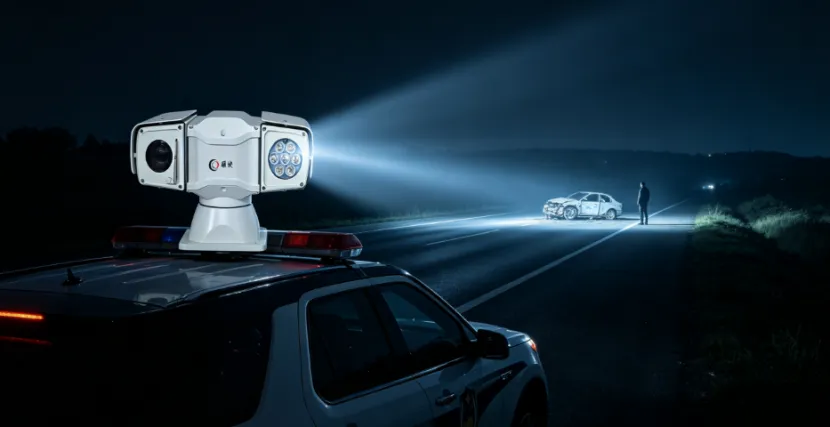
При выборе камеры видеонаблюдения для полицейских автомобилей настоящее испытание часто начинается после наступления темноты. Обочина дороги в 2 часа ночи, сельский контрольно-пропускной пункт, заблокированный мост, место аварии без уличного освещения. Это не простые и безупречные места. Они грязные, быстротечные и, как правило, далеки от идеального освещения.
Вот почему важна PTZ-камера ночного видения для транспортных средств с дальностью действия 150 м. Она обеспечивает большее расстояние, больше времени и более четкое изображение, прежде чем ваша команда приблизится слишком близко. Для мобильной полиции, подразделений экстренного реагирования пожарной охраны, дорожного патрулирования и мобильных инспекционных машин это дополнительное расстояние может существенно повлиять на безопасность действий на месте происшествия.
Почему ограниченная ночная видимость представляет собой серьезную проблему?
Ночное патрулирование — это не только запись видео. Вам нужны качественные видеоматериалы. камера ночного видения для транспортных средств Это поможет вам заметить людей, транспортные средства, блокпосты и опасности до того, как они превратятся в проблемы на близком расстоянии.
Фары не могут осветить всю сцену.
Фары автомобиля направлены вперед. Они не обеспечивают полного освещения вокруг транспортного средства и мало помогают, когда цель находится сбоку. Слепые зоны вокруг автомобилей экстренных служб могут стать серьезной проблемой безопасности во время остановок транспортных средств, оказания помощи на дороге или реагирования на дорожно-транспортные происшествия.
A автомобильная PTZ-камера Это решает проблему, позволяя вам сканировать пространство вокруг транспортного средства. PTZ означает панорамирование, наклон и масштабирование. В профессиональном видеонаблюдении PTZ-камеры используются, когда операторам необходимо горизонтальное и вертикальное перемещение, а также масштабирование объектива с помощью одного устройства. В базе знаний также отмечается, что купольные и PTZ-системы могут поддерживать 360-градусное, дистанционное и широкомасштабное наблюдение, что хорошо подходит для мобильной работы в качестве командного пункта на открытом воздухе.
Низкое качество изображения при слабом освещении замедляет принятие решений.
Низкое качество изображения при слабом освещении приводит к шуму, размытию и нечеткости ночных видеозаписей. В реальной чрезвычайной ситуации никто не хочет гадать, что находится впереди: человек, припаркованный автомобиль или обломки.
Мощная ИК-камера PTZ для автомобиля помогает уменьшить количество догадок. Указанная модель WL-HD-TW10 использует 1/2,8-дюймовый CMOS-сенсор с прогрессивной разверткой, разрешением 1920 × 1080 и обеспечивает дневное/ночное наблюдение. Она также поддерживает цветное изображение при 0,001 люкс и черно-белое изображение при 0,0005 люкс, что позволяет вести наблюдение в условиях низкой освещенности до и во время использования ИК-подсветки.
Что даёт ИК-прибор ночного видения с дальностью действия 150 м мобильным группам?
Система ночного видения с инфракрасным излучением на 150 метров обеспечивает больший радиус видимости в темных условиях на открытом воздухе. На бумаге это звучит не очень впечатляюще, но на маршруте патрулирования в движении 150 метров — это очень много.
Это обеспечивает более раннее обнаружение цели.
Благодаря инфракрасной дальности действия в 150 метров, мобильная камера видеонаблюдения может помочь обнаружить людей, остановившиеся транспортные средства, опасности на обочине дороги или подозрительное движение до прибытия транспортного средства. Это способствует проактивному ночному наблюдению, а не просто записи после происшествия.
Для мобильного патрулирования дорог это важно на автомагистралях, мостах, объездных путях во время строительства и на сельских дорогах. Использование камер в автомобилях экстренных служб может помочь группам проверить подъездные пути перед въездом в многолюдный или опасный район.
Это способствует более безопасному расстоянию.
Сотрудникам полиции и экстренных служб может потребоваться осмотреть место происшествия, прежде чем покинуть его. камера PTZ дальнего диапазона Это даёт вам дистанцию. Дистанция даёт вам выбор.
Вы можете замедлить движение, изменить позицию, запросить помощь или вести наблюдение из более безопасного места. В этом и заключается скрытая ценность дистанционного наблюдения. Оно не бросается в глаза, но помогает людям принимать более взвешенные решения, когда ситуация еще не до конца прояснена.
Почему PTZ-камера важнее, чем камера с фиксированным углом обзора?
Автомобильная камера со стационарным обзором может показывать только одно направление. Этого может быть достаточно для простой записи, но для мобильного видеонаблюдения на открытом воздухе обычно требуется большая гибкость.
Бесконечное вращение на 360° позволяет охватывать меняющиеся сцены.
Транспортное средство может остановиться, повернуть, сдать назад или припарковаться под углом. Место происшествия может перемещаться. Люди могут приближаться сбоку. Установленная на транспортном средстве PTZ-камера с бесконечным вращением на 360° может сканировать переднюю, заднюю, придорожную и периметральную зоны из одной точки крепления.
WL-HD-TW10 поддерживает бесконечное вращение на 360°, наклон от +90° до -90°, 256 предустановленных положений и 8 траекторий слежения. Также предусмотрена предустановленная скорость панорамирования до 100°/с и предустановленная скорость наклона до 60°/с. Для движущегося командного пункта или патрульной машины эти детали не просто украшение. Они помогают оператору следить за происходящим.
33-кратный оптический зум помогает проверить детали.
Приборы ночного видения помогают видеть. 33-кратный оптический зум помогает проверять. Разница существенная.
Благодаря объективу с фокусным расстоянием от 5,5 до 180 мм и полю зрения от 60,5° до 2,3° камера может переключаться с широкоугольного сканирования на идентификацию целей на больших расстояниях. Оптический зум особенно важен, поскольку цифровой зум часто просто увеличивает пиксели. Когда необходимо прочитать детали сцены, проверить движение транспортного средства или подтвердить местоположение человека, оптический зум — более безопасный выбор.
Где лучше всего разместить поворотную камеру ночного видения для автомобиля с дальностью обзора 150 м?
Этот тип камер предназначен для выполнения задач на открытом воздухе с использованием транспортных средств. Он не предназначен для работы в небольших статичных пространствах. Он учитывает расстояние, движение, вибрацию, погодные условия и обеспечивает быструю реакцию.
Мобильная полиция правоохранительных органов
Для мобильных подразделений полиции видеокамера может использоваться для ночного патрулирования, остановки транспортных средств, организации временных контрольно-пропускных пунктов, наблюдения за дорогой и сбора доказательств. Камера в автомобиле полиции с дальним ночным видением помогает сотрудникам видеть больше, прежде чем предпринимать какие-либо действия.
Командование по чрезвычайным ситуациям в связи с пожаром
Управление действиями в чрезвычайных ситуациях, связанных с пожаром, часто осуществляется в условиях задымления, темноты, дождя или заблокированных проходов. камера мобильного командного пункта Это может помочь в сканировании дорог, зон сбора, периметра и маршрутов подхода. Это способствует принятию решений командованием, обеспечивая при этом безопасное расстояние для спасателей.
Мобильное патрулирование дорог и мобильный досмотр специализированных транспортных средств
При использовании камер дорожного патрулирования дальнобойное ночное видение помогает выявлять остановившиеся транспортные средства, опасности на полосах движения, дорожно-транспортные происшествия и необычные движения. Для мобильного досмотра специальных транспортных средств система видеонаблюдения, установленная на транспортном средстве, может документировать открытые участки и обеспечивать ситуационную осведомленность в режиме реального времени.
Какие характеристики следует проверить перед покупкой?
Хороший камера автомобиля скорой помощи Требуется нечто большее, чем просто прибор ночного видения. Также следует проверить прочность, управляемость и совместимость системы.
Устойчивость к погодным условиям и вибрации имеет значение.
Вибрация от транспортного средства, влияющая на устойчивость камеры, — распространённая проблема в полевых условиях. Дороги не отличаются плавностью. Торможение, повороты, неровности и вибрация двигателя могут влиять на качество видео и срок службы устройства. В технических характеристиках продукта указаны дополнительные амортизаторы для транспортных средств и устойчивость к ударам ≥4G, что важно для ударопрочной PTZ-камеры.
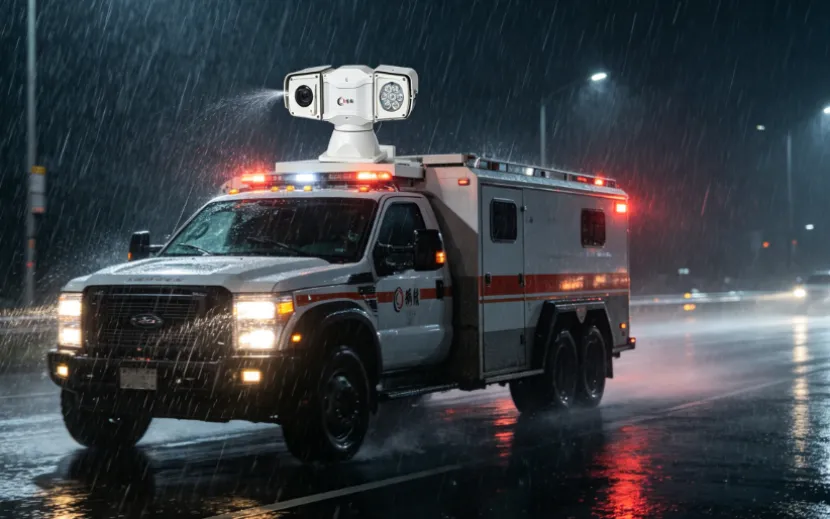
Дождь, туман и пыль, ухудшающие видимость, — еще одна проблема. Всепогодная автомобильная камера должна иметь защиту от непогоды. Эта модель имеет степень защиты IP66, поддерживает работу стеклоочистителей, а также имеет встроенную систему размораживания и предотвращения запотевания. Она также работает при температуре от -35°C до +55°C, что подходит для мобильного видеонаблюдения на открытом воздухе в суровых погодных условиях.
Интеграция должна быть простой.
Профессиональная автомобильная PTZ-камера с интерфейсом ONVIF должна подключаться к существующим системам управления и записи. Поддержка ONVIF, управления PTZ по RS485, протокола PELCO-D/P и сжатия H.265/H.264/MJPEG упрощает установку для системных интеграторов и разработчиков автомобильных платформ. Никто не хочет получить отличную камеру, которая превратится в головную боль из-за проводки.
Почему стоит выбрать Shuoxin для видеонаблюдения за транспортными средствами с поворотными сиденьями?
Для проектов по патрулированию на открытом воздухе, реагированию на чрезвычайные ситуации и мобильному командованию, Шуосинь Это практичное название, которое стоит запомнить. Компания специализируется на профессиональных камерах видеонаблюдения и решениях для обеспечения безопасности в сложных условиях, таких как правоохранительная деятельность, периметровая охрана, наблюдение за побережьем, аэропорты и мониторинг границ. Ассортимент продукции включает в себя PTZ-камеры для транспортных средств, PTZ-камеры для автомагистралей, PTZ-камеры для морских судов, PTZ-системы для тяжелых грузов, модули камер и быстроразвертываемые купольные PTZ-камеры.
Автомобильная PTZ-камера с ночным видением на 150 м отлично подходит для этой цели. Она сочетает в себе ИК-подсветку на 150 м, 33-кратный оптический зум, поворот на 360°, ударопрочность, функцию предотвращения запотевания, поддержку стеклоочистителей и защиту IP66. Проще говоря, она предназначена для транспортных средств, работающих на открытом воздухе в неблагоприятных условиях. Именно там обычно и требуется серьезное видеонаблюдение.
ЧАСТО ЗАДАВАЕМЫЕ ВОПРОСЫ
В1: Что такое PTZ-камера ночного видения для транспортных средств с дальностью действия 150 м?
A: Автомобильная PTZ-камера ночного видения с дальностью действия 150 м — это камера, устанавливаемая на транспортное средство, которая использует инфракрасную подсветку для наблюдения на расстоянии до 150 метров в ночное время. Она также поддерживает панорамирование, наклон и масштабирование для наблюдения за обширной территорией на открытом воздухе.
Вопрос 2: Зачем полицейским автомобилям нужны камеры ночного видения?
А: Полицейским автомобилям необходимы камеры ночного видения, поскольку ограниченная видимость в ночное время может скрывать людей, транспортные средства, опасности и подозрительную активность. Камера видеонаблюдения в полицейском автомобиле позволяет сотрудникам лучше ориентироваться на местности, прежде чем они приблизятся к месту происшествия.
Вопрос 3: Важно ли 33-кратное оптическое увеличение для наблюдения за транспортными средствами?
А: Да. 33-кратное оптическое увеличение позволяет более четко различать удаленные детали, чем просто цифровое увеличение. Оно полезно для идентификации целей на больших расстояниях во время патрулирования, командования и реагирования на чрезвычайные ситуации.
Вопрос 4: Может ли автомобильная PTZ-камера работать в дождь и туман?
A: Качественная всепогодная PTZ-камера может работать в суровых погодных условиях, если она обладает такими функциями, как защита IP66, защита от запотевания, размораживания и поддержка стеклоочистителей. Эти функции помогают сохранить качество изображения пригодным для использования на открытом воздухе.
Вопрос 5: Какими функциями должна обладать камера в автомобиле экстренной службы?
A: Хорошая камера для аварийно-спасательного автомобиля должна обладать инфракрасным ночным видением на расстоянии до 150 м, оптическим зумом, возможностью вращения на 360°, ударопрочностью, степенью защиты IP66, поддержкой ONVIF, управлением PTZ по RS485 и высокими показателями работы в условиях низкой освещенности.