
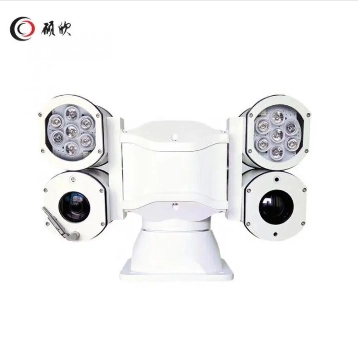
Представьте себе ответственность за охрану высоковольтной электростанции далеко от ближайшего города. Или, возможно, вы наблюдаете за ключевым пограничным районом, где людям нужно следить за многими километрами грубой земли. В таких местах вы имеете дело с постоянным врагом: природой’ с силами. Толстый туман может появиться быстро, дым от далекого лесного пожара может заполнить небо, а полная темнота может сделать обычные оптические устройства бессмысленными. Когда вы следите за ценными предметами или путями безопасности, вы должны избегать любых “ слепые зоны” приведены плохой погодой.
Обычные камеры зависят от видимого света. Они улавливают то, что улавливают ваши глаза. Если плотный туман скрывает дорогу или барьер подстанции, камера показывает только тупый серый барьер. Эта слабость создает реальную опасность для правоохранительных органов, операторов электроэнергии и пограничников. Чтобы поддерживать полную осведомленность круглосуточно, вам нужен метод, который пропускает видимый диапазон и нацелен на сигналы тепла, которые выделяют все предметы.
Почему стандартные оптические датчики отказываются за 150 метров
Когда вы отслеживаете объекты на расстоянии более 150 метров, воздух превращается в препятствие. Крошечные куски пыли, влага и туман рассеивают световые лучи. Для типичной камеры, даже при сильном увеличении, эти биты производят “ беспорядок” Это размывает картину. Вы можете заметить форму, но не можете сказать, является ли это работник, ремонтирующий трансформатор, или кто-то, кому там не разрешено.
При дальновидном наблюдении снаружи яркость - это то, что вы редко получаете. Огни не появляются в районах наблюдения за лесными пожарами или вблизи границ страны. Хотя некоторые камеры используют инфракрасный (ИК) свет, они покрывают короткие расстояния и могут отскачать от тумана, что на самом деле ухудшает вид для вас. Вам нужна техника, которая проходит через эти барьеры, а не отражается от них.
Переход к термическому интеллекту с Shuoxin
Вот где Шуосинь сменяет баланс. Вместо того, чтобы искать яркость, термические методы захватывают инфракрасные лучи. Все, что имеет тепло выше самой низкой точки, выделяет тепло. Поскольку тепловые волны носят большую длину, чем видимые лучи, они перемещаются мимо тумана, грязи и тумана с небольшой блокадой. Когда вы применяете тепловую настройку, вы не просто смотрите на картину; Вы видите теплый контур окружения.
Настройка PTZ (Pan-Tilt-Zoom) имеет решающее значение для такого рода задачи. В широких местах под открытым небом, таких как энергетические сети или огромные дорожные системы, стационарная камера не хватает. Вам нужна сила, чтобы сканировать горизонт, углубить вниз в низкие районы и увеличить особенные тепловые странности с сотен метров. Shuoxin объединяет острые детекторы в прочные крышки PTZ, сделанные только для того, чтобы выдержать потрясения от полицейского автомобиля или кусающего воздуха вблизи прибрежной границы.
Механика обнаружения тепла в зонах высокого риска
Успех тепловой установки зависит от его тепловой остроты, обычно измеряемой в милликелвинах (mK). Меньшее значение mK указывает на то, что камера обнаруживает меньшие пробелы в тепле. В лесном пожарном часе это позволяет заметить “ теплая зона” до того, как появится явный пожар. Камера замечает знак тепла крошечного горящего пятна среди толстых ветвей и тумана, что дает дополнительное время, необходимое для отправки команд помощи.
Когда вы сочетаете эту остроту с приводом PTZ, вы получаете активное устройство. Вы можете запрограммировать рутинные маршруты проверки, где камера охватывает 360 градусов, останавливаясь на установке “ точки” такие как вход подстанции или жизненно важная коробка питания. Если детектор обнаружит прыжок тепла или знак тепла человека, где он не должен быть, он может сразу же уведомить вас, даже на фоне сильной снежной бури.
Стратегическое внедрение биспектральной технологии
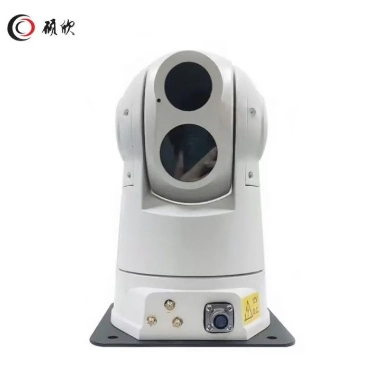
Для многочисленных видов использования тепловой информации самой по себе недостаточно для полного обнаружения. Возможно, вы знаете “ теплый предмет” смещается вблизи барьера, но вы также хотите увидеть оттенок автомобиля или знаки на одежде. Эта потребность вызвала создание двухспектральных устройств. Эти устройства содержат два детектора в одном корпусе: один для тепловых изображений и один для четкого видимого света.
Добавление Новая биоспектральная тепловая визуализация купола PTZ камера для вашей настройки приносит двойный поток прибыли. Для энергетических компаний и подстанций эта камера является значительным улучшением. Вы можете использовать детектор тепла для запуска нормального “ проверка тепла” отзывы, ищут перегревшие части, которые предупреждают о предстоящих сбоях передач. В то же время детектор света обеспечивает резкое визуальное доказательство, необходимое для записи безопасности.
Усиление контроля за дорогами и транспортными средствами полиции
Размещенный на полицейском автомобиле или на дорожном наблюдательном посту, двухспектральный купол дает особое преимущество в действии. Во время быстрой гони через сильный дождь или туман обычная камера патрульного автомобиля может сбросить цель. Тем не менее детектор тепла в части Shuoxin отслеживает тепло двигателя желаемого автомобиля без усилий.
Форма купола хорошо работает в этом месте. Его гладкая форма и защитная оболочка защищают тонкие детекторы от воздушного толка и кусков мусора. Поскольку настройка может сочетать тепло и свет изображений, вы получаете “ верхняя с каждой стороны” зрелище, где следы тепла лежат над острым визуальным руководством, что значительно проще для вас быстро понять сцену при напряжении.
Экстремальный дистанционный мониторинг границ и лесов
Когда ваши часы должны достигнуть нескольких километров, вы входите в поле многоспектральных далекосяжных настроек. Они отличаются от базового оборудования; Они служат жесткими рабочими инструментами, созданными для самых жестких мест под открытым небом на планете. На таких длинах даже незначительное потрясение от ветра может испортить картину, поэтому требуют специальных методов стабилизации.
Охрана целей страны и больших природных запасов требует Многоспектральная тепловизионная PTZ-камера большого радиуса действия. Эта настройка соответствует “ Продолженные усилия. ” Независимо от того, сканируете ли вы неутвержденные пограничные проходы над сухой землей или проверяете цепочку холмов на предмет признаков пожара, далекосяжная тепловая линза обеспечивает простой контур тепла в местах, где люди выглядят как маленькие точки для простого зрения.
Защита критической инфраструктуры за пределами забора
Для пограничной охраны вы часто ищете движение на расстоянии 500 метров или даже 2 километра. Многоспектральный способ позволяет камере переключаться между поиском тепла (для определения цели) и далекосяжным световым зумом (для обнаружения цели). Этот поэтапный метод наблюдения гарантирует, что вы будете готовы к наземным функциям.
В лесных пожарных усилиях эти камеры служат тихими наблюдателями. Они часто сидят на высоких ступах в далеких местах. Далекодалекая PTZ Shuoxin может найти признак тепла пожара в милях, задолго до того, как подъем тумана становится достаточно высоким, чтобы его увидеть человек. Это скорое нахождение отмечает разрыв между проведенным событием и огромной пожарной катастрофой.
Почему 24/7 устойчивость имеет значение для полиции и безопасности дорожного движения
Безопасность общества не останавливается на суровой погоде. Юридические команды и группы дорожной помощи требуют оборудования столь же жесткого, как и рабочие, которые его обрабатывают. Камера, которая останавливается в шторме, становится риском. Вам нужны инструменты с высшим уровнем IP, часто IP66 или IP67, которые держат внутренние части сухими и работают даже при сильных душах или пыльных бурях.
Shuoxin создает эти настройки PTZ для удовлетворения требований рабочего места. Для охраны дорог это означает, что камеры могут переносить постоянные потрясения больших грузовиков на протяжении длины, сохраняя твердое, простое изображение. Для применения закона это означает, что приводы PTZ быстры и бдительны, позволяя офицеру без задержек следовать за смещающейся целью. Целью остается предложить вам устройство, которое действует как дополнение к вашим собственным чувствам, дающее остроту, когда настройка приносит просто беспорядок.
Профессиональное партнерство и Поддерживать
Выбор правильной настройки тепла означает большие расходы на вашу базу. Это требует товарища по команде, который отдает только части. Шуоксин фокусируется на полном масштабе вашего плана охраны. От выбора правильного диапазона объектива для вашей точной длины до обеспечения того, чтобы программы связаны с вашим текущим центром управления, квалифицированная помощь является основной частью предложения.
Независимо от того, ищете ли вы изменения OEM для определенной группы полицейских автомобилей или широкий запуск для энергетической сети страны, центр поддерживает стабильность и производительность. Вы можете найти более точные детали работы и проверить весь набор ответов на часы под открытым небом, перейдя в официальный Шуосинь веб-сайт.
ЧАСТО ЗАДАВАЕМЫЕ ВОПРОСЫ
Вопрос: Могут ли эти термические PTZ камеры видеть через твердые объекты, такие как стены или толстое стекло?
A: Нет. Тепловизуализация обнаруживает инфракрасное излучение, излучаемое с поверхности объектов. Это не может “ посмотреть через” твердые стены или стандартное стекло, поскольку стекло на самом деле отражает тепловое излучение. Однако он исключительно эффективен при видении через “ атмосферный” препятствия, такие как дым, туман, дождь и листье, которые являются основной проблемой для дальнего мониторинга на открытом воздухе.
В: В чем преимущество “ Би-спектральный” камера над самостоятельной тепловой камерой для подстанции?
A: Биспектральная камера позволяет выполнять две задачи одновременно. Тепловой датчик контролирует тепло трансформаторов и выключателей для предотвращения пожаров, в то время как оптический датчик обеспечивает видео высокого разрешения для общей безопасности и идентификации. Наличие обоих в одном блоке Shuoxin PTZ снижает затраты на установку и обеспечивает более полный обзор объекта.
В: Как далеко может многоспектральная камера PTZ дальнего расстояния на самом деле обнаружить человека?
A: Диапазон обнаружения зависит от конфигурации объектива и условий окружающей среды, но эти системы предназначены для экстремальных расстояний. Для стандартной цели человеческого размера обнаружение часто может происходить далеко за 2 километра, в то время как распознавание и идентификация происходят на более близких расстояниях. Это делает их идеальными для пограничной безопасности и крупномасштабных открытых промышленных объектов, где раннее предупреждение имеет решающее значение.