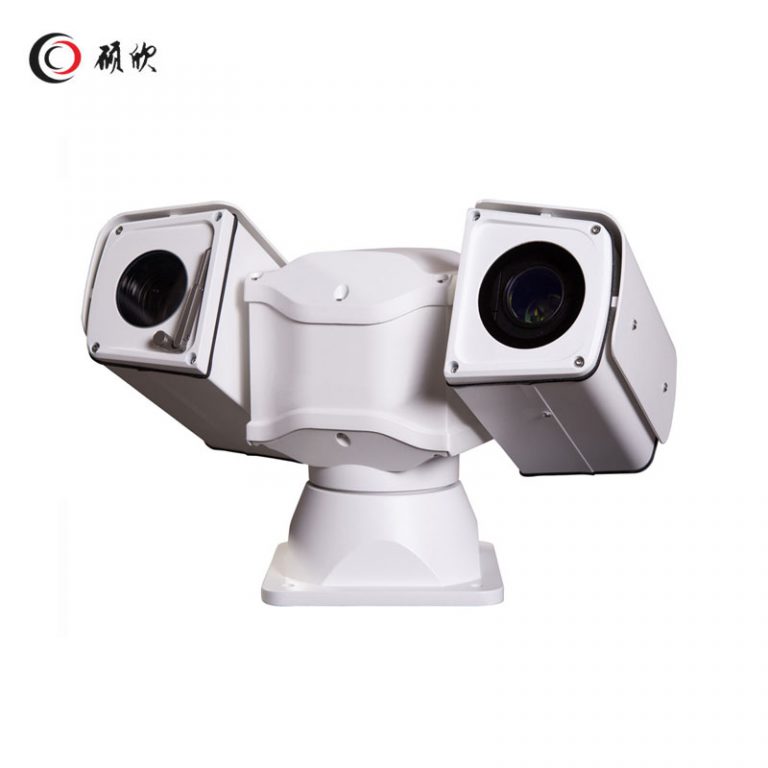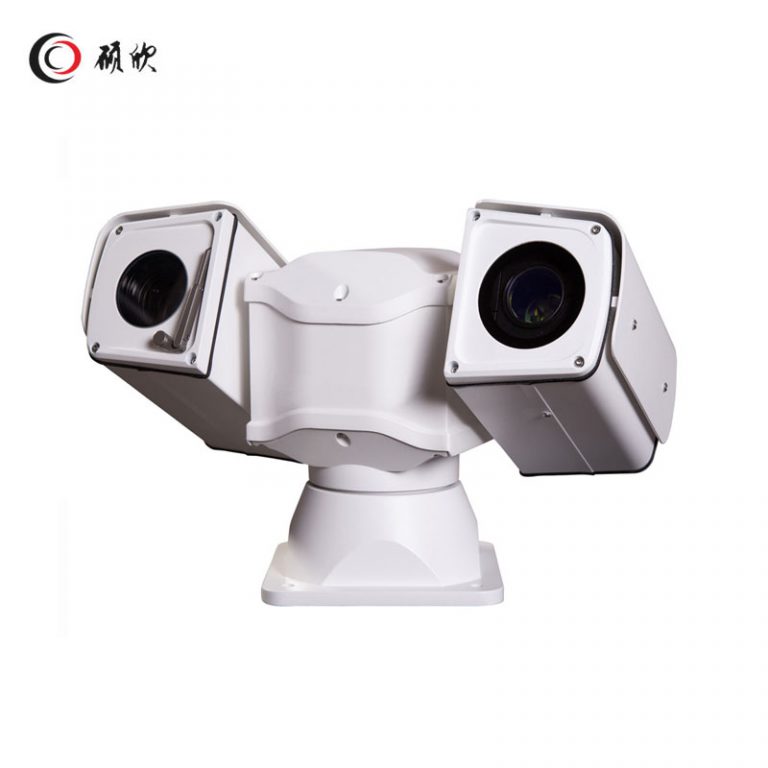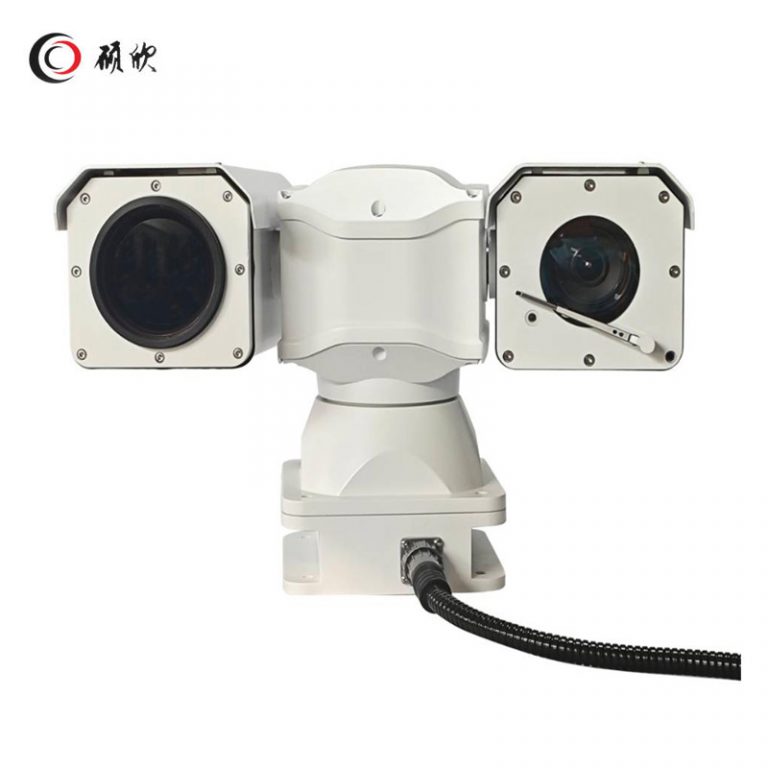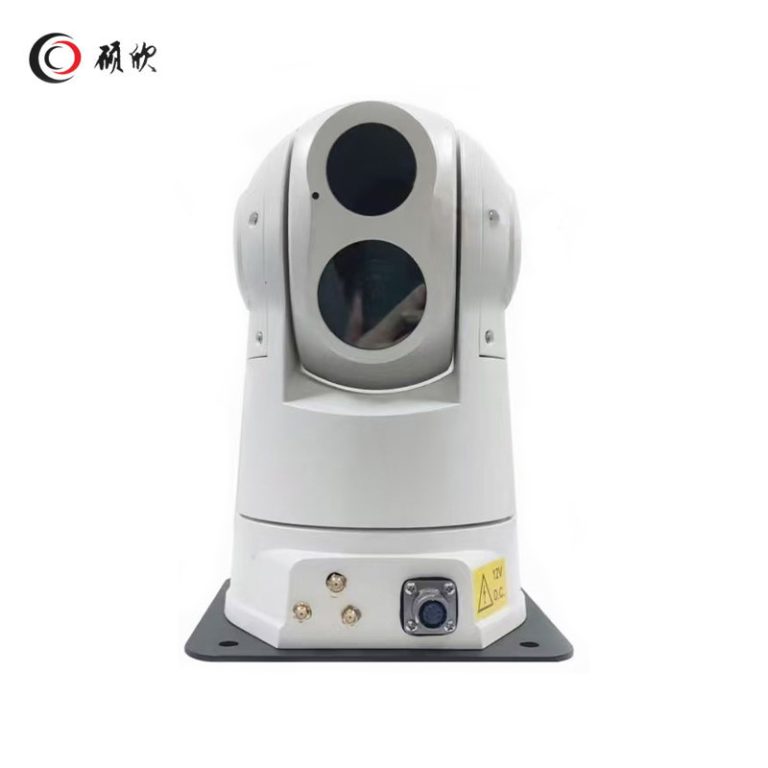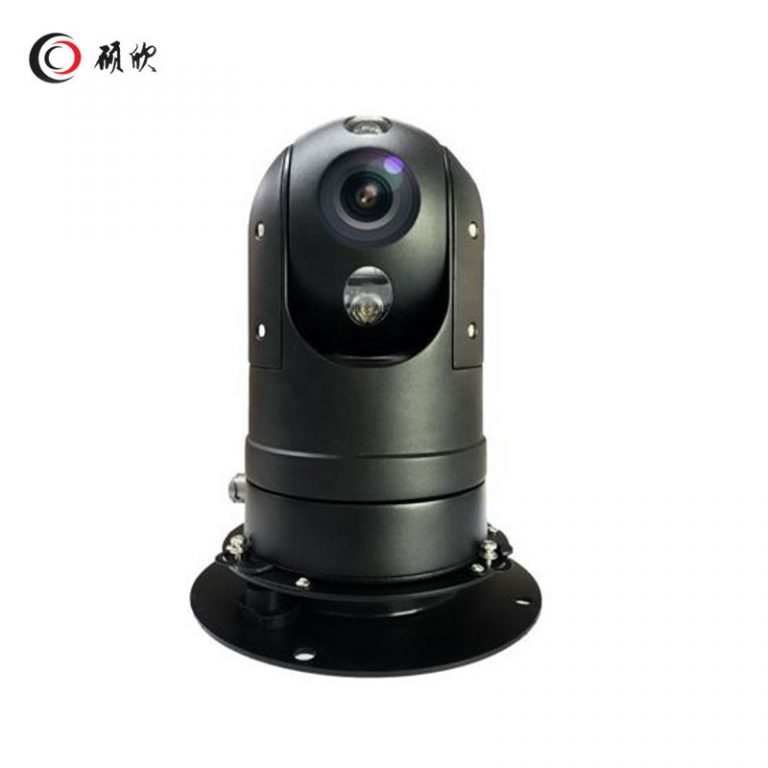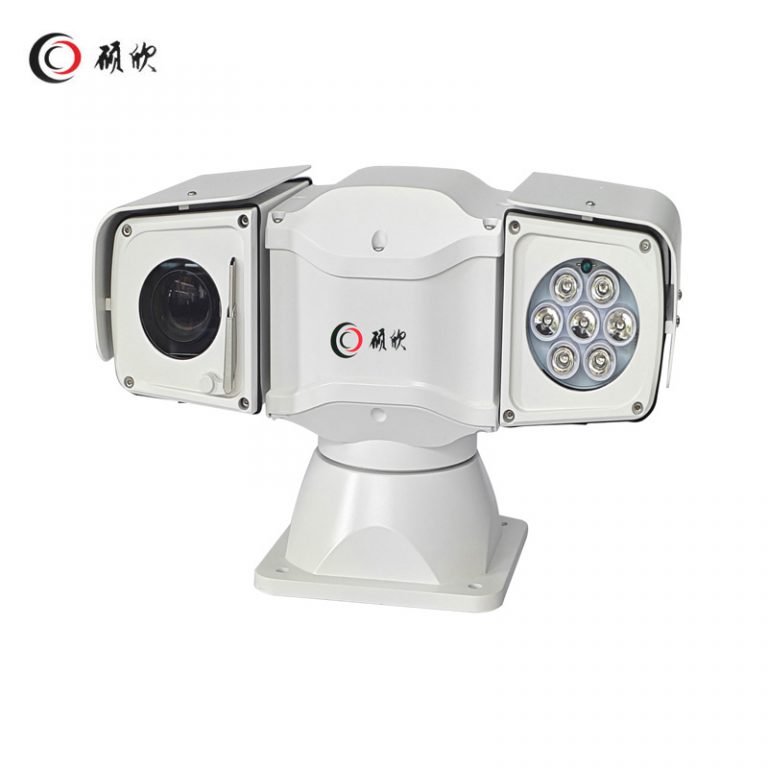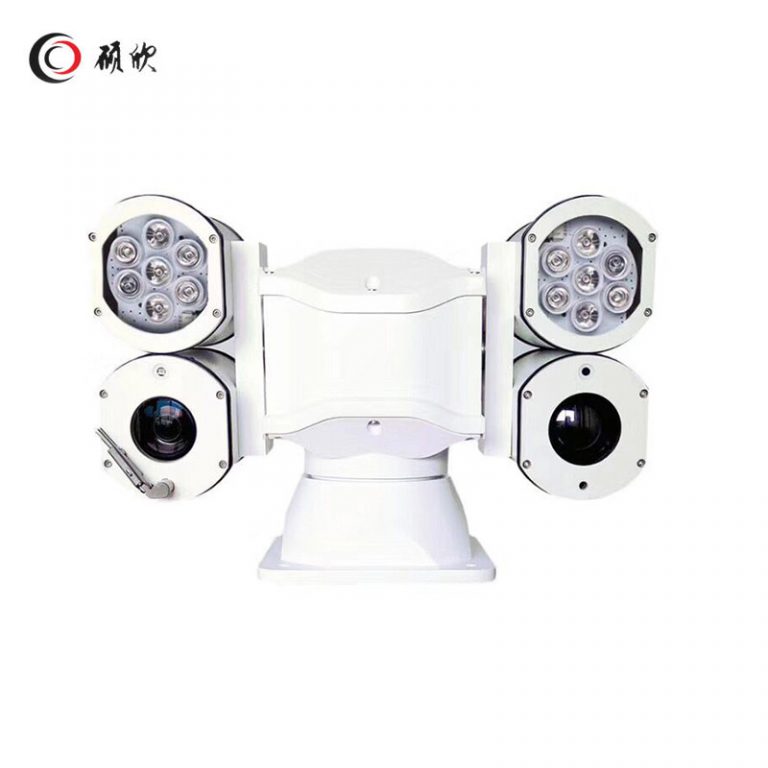
WL-TW10-3L can combine visible, thermal, laser, infrared and white-light channels. Safe facts include ONVIF, coordinate and lens-magnification display, defrost/defog equipment, a weatherproof housing with wiper support and continuous pan. Conflicting optical distances, lens values, weight and tilt claims are excluded.
Select WL-TW10-3L around required sensor channels. Define that task before comparing options.
Build the operator sequence around required sensor channels; state the view, detail and mode change needed.
Police enforcement, security robots, engineering vehicles, traffic monitoring and power-line observation illustrate the intended scope. The buyer still needs to name the sensor channels and obtain a product-specific mechanical answer.
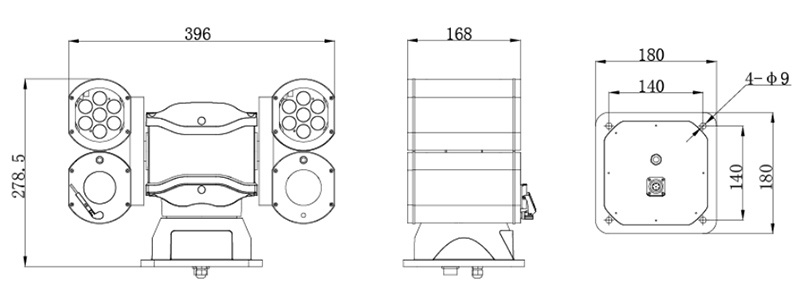
Put unknown weight and tilt on the drawing and leave unresolved mechanics pending.
Map ONVIF channel control to host functions one by one rather than relying on names.
Check installed power and cabling; keep conflicting optics/distances separate until confirmed.
Send required sensor channels, unknown weight and tilt and ONVIF channel control; flag conflicting optics/distances for confirmation.
Place WL-TW10-3L beside alternatives in the Vehicle PTZ Camera category only after the required sensor channels are fixed. Then compare channel control, mounting envelope and the power arrangement for that multi-spectral build.
Begin with required sensor channels.
Check ONVIF channel control against required host functions.
Show unknown weight and tilt, cables and clearances.
Keep conflicting optics/distances unresolved until written confirmation.
WL-TW10-3L is meaningful only after the project names the channels it needs. List visible, thermal, laser, infrared and white-light functions individually, then describe the transition between them. The sources conflict on lens values and illumination distances, so those figures remain outside the public selection.
The dimension drawing can support an early layout, but it cannot settle unit weight, final tilt behavior or mounting loads. Keep space around the continuous-pan assembly, route the cables shown for the intended build and wait for confirmed mechanical data before fixing the support.
ONVIF support is available as a control fact, but channel operation still has to be matched with the host. Note which sensor view is required, which PTZ command selects it and where defrost/defog, wiper or coordinate display enters the workflow. Conflicting optical data stays outside that record.
Before WL-TW10-3L is approved, compare the requested sensor list with the installation drawing and host-control plan. No optical distance, lens value, weight or tilt value may be filled from an unverified source. The inquiry should call out every item that still needs a product-specific response.
Use the dimension drawing to identify the component being reviewed, not to infer missing load data. A clear channel list and marked drawing give the supplier a safer basis for returning the unresolved optics and mechanics. Mark connector access as well.
Use 저희에게 연락하십시오 to send required sensor channels, the drawing and required functions. Identify conflicting optics/distances as pending.