
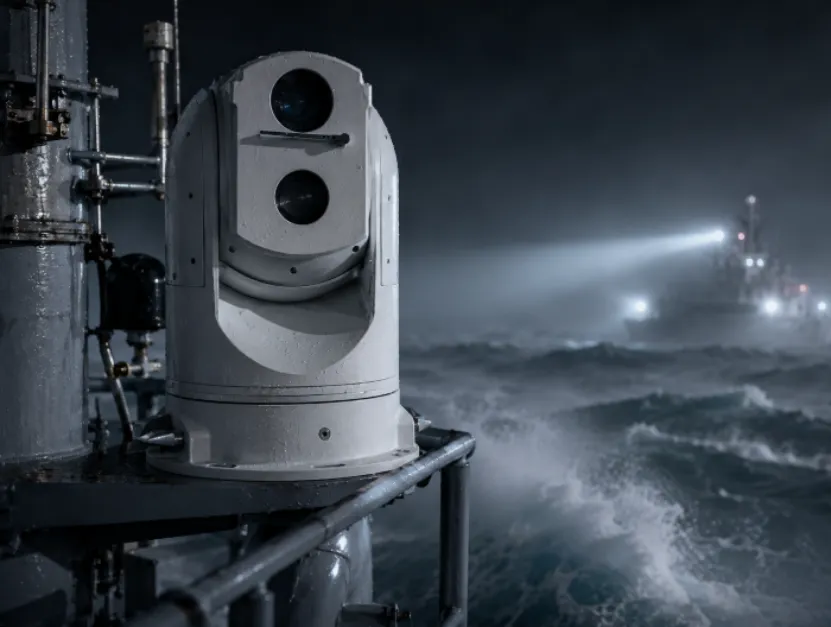
In mezzo all'oceano, salvare vite umane non è mai un lavoro facile. Qualcuno potrebbe cadere da una barca al buio. Una piccola nave potrebbe perdere potenza nella fitta nebbia. Una zattera di salvataggio potrebbe galleggiare tra le grandi onde. Potresti vederla solo per un secondo prima che si nasconda di nuovo. telecamera termica PTZ marina Offre maggiori possibilità di individuare elementi che l'occhio umano o le normali telecamere non riescono a vedere. Per navi di grandi dimensioni, motovedette, torri di avvistamento e basi di controllo, una telecamera per la ricerca e il salvataggio marittimo deve svolgere un lavoro concreto. Deve aiutare la squadra a trovare, ingrandire, seguire e controllare gli obiettivi. Non deve limitarsi a riprendere ciò che è già accaduto.
Perché la visibilità è così fondamentale in mare?
Quando il sole tramonta, l'oceano da perlustrare rimane immenso. Anzi, trovare qualcuno diventa molto più frenetico. Nebbia fitta, spruzzi d'acqua, riflessi accecanti e onde in movimento nascondono facilmente ogni cosa. Rendono ogni singolo bersaglio estremamente difficile da individuare. Persino un equipaggio esperto e ben addestrato può non notare una minuscola testa che galleggia nell'acqua. Errori del genere accadono fin troppo in fretta.
I piccoli bersagli possono scomparire in pochi secondi.
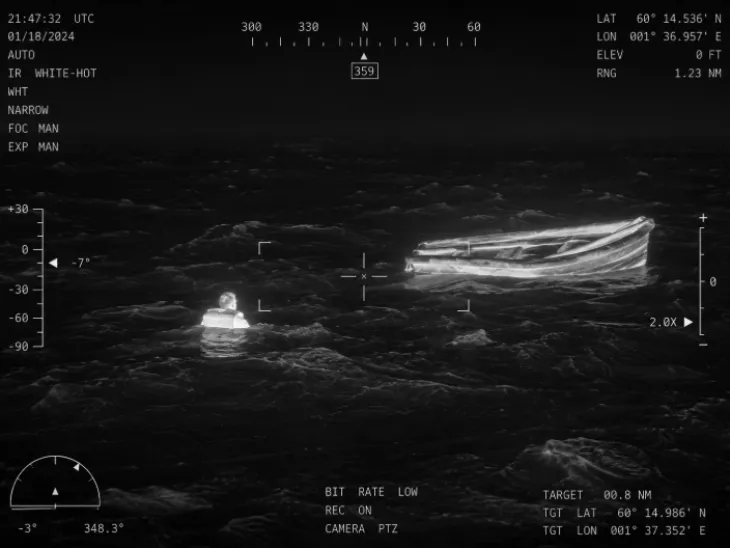
Se una persona cade in acqua, potresti vederne solo la testa e le spalle. Un pezzo di spazzatura galleggiante potrebbe sembrare identico alla schiuma del mare. Una piccola imbarcazione laggiù potrebbe persino non avere le luci accese. Per questo motivo, una telecamera per il rilevamento di persone cadute in acqua diventa estremamente utile. Rileva le forme generate dal calore anziché i colori o la luce riflessa. In questo modo, la tua squadra di ricerca non dovrà fare affidamento sulle deboli luci di coperta o sulla luna per individuare la persona.
Nebbia e oscurità rendono deboli le telecamere visibili
Una normale fotocamera ha davvero bisogno di una buona luce per funzionare. Tuttavia, una telecamera marina a visione notturna La termocamera integrata continua a funzionare alla perfezione. Vede perfettamente anche quando tutto il resto appare completamente buio o avvolto da una fitta nebbia. Una termocamera per la visione notturna è di grande aiuto quando la squadra di ricerca ha bisogno di un primo indizio rapido. Hanno bisogno di questo indizio prima di rischiare di inviare una piccola imbarcazione di soccorso nell'oscurità.
Che cos'è una telecamera termica PTZ marina?
Una telecamera termica PTZ marina combina immagini a caldo con movimenti verticali e zoom. È inoltre dotata di una robusta copertura progettata per resistere alle intemperie oceaniche. La documentazione ci spiega che PTZ sta per "movimento a sinistra e a destra", "movimento in alto e in basso" e "zoom". Sottolinea inoltre che le configurazioni PTZ possono memorizzare punti, muoversi lungo percorsi prestabiliti e scansionare il mare. Offrono anche funzionalità di tracciamento e posizionamento 3D. Questi strumenti all'avanguardia si adattano perfettamente alle ricerche in acque oceaniche di grandi dimensioni.
La termografia rileva il calore
Una termocamera marina individua le forme di calore provenienti da esseri umani, motori in funzione e grandi navi. Una termocamera per la ricerca e il salvataggio riesce a separare un corpo umano caldo dall'acqua gelida dell'oceano. E lo fa anche quando le normali riprese diurne non forniscono quasi nessun indizio.
PTZ ti aiuta a cercare in modo più ampio
Un sistema di telecamere PTZ per uso nautico permette alla guardia di osservare enormi distese d'acqua. Può orientare l'obiettivo verso le onde in movimento e, quando compare una forma insolita, può ingrandire l'immagine. Sembra semplicissimo, vero? Ma stare in piedi sul ponte di una barca che ondeggia alle 3 del mattino è difficile. Ecco perché avere comandi semplici è così importante.
Perché le navi hanno bisogno di una telecamera PTZ marina girostabilizzata?
Una telecamera fissa su un terreno solido rimane immobile. Una telecamera fissa su una barca, invece, trema continuamente. Onde agitate, motori ronzanti, vento forte e virate brusche disturbano il video. Se si ingrandisce molto l'immagine, le forti vibrazioni appaiono ancora più evidenti sullo schermo del televisore.
Video stabili aiutano a confermare l'obiettivo
Una telecamera PTZ marina girostabilizzata elimina le vibrazioni video eccessive. Ciò significa che puoi utilizzare lo zoom a lungo raggio senza timori. Per una telecamera marina a lungo raggio, rimanere immobile non è solo un divertente extra, ma aiuta chi guarda lo schermo a prendere decisioni importanti. Può distinguere se un punto luminoso è un nuotatore disperso, un segnale, una piccola imbarcazione o semplicemente un'onda scintillante.
Il tracciamento richiede un movimento fluido
Una piccola telecamera di tracciamento per imbarcazioni o navi deve seguire oggetti in movimento. Allo stesso tempo, la tua stessa nave potrebbe rollare. Se il video salta da una parte all'altra, la guardia perde tempo prezioso a cercare di correggere l'immagine confusa. Dovrebbe invece occuparsi di coordinare la squadra di soccorso.
Dove si può utilizzare una termocamera marina?
A telecamera di sorveglianza marittima Non è utile solo sulle imbarcazioni di soccorso. Aiuta nella sorveglianza, nella guida delle barche, nella sorveglianza dei porti e nella sicurezza delle spiagge. La base di conoscenze evidenzia inoltre che le telecamere installate nell'oceano salato necessitano di un rivestimento resistente. Devono resistere al sale, agli acidi e alla ruggine per sopravvivere.
Navi, imbarcazioni e scialuppe di salvataggio
Sulle grandi navi e sulle motovedette, una termocamera per la navigazione marittima individua rifiuti galleggianti, imbarcazioni scure e strane zone calde. Non sostituisce mai il radar o le intuizioni dell'equipaggio. Semplicemente, aggiunge un nuovo paio di occhi alla squadra.
Coste, porti e isole
Una telecamera per la ricerca e il salvataggio costiero è posizionata in alto su un'alta torre, una porta di un molo, un'isola deserta o una base di soccorso. Da lassù, le guardie possono sorvegliare ampie distese di mare aperto e comunicare con le imbarcazioni di soccorso che si dirigono a tutta velocità verso il luogo dell'incidente.
Perché Shuoxin è adatto alle operazioni di ricerca e salvataggio marittimo?
Se desiderate attrezzature realmente funzionanti anziché giocattoli inutili, dovreste dare un'occhiata a Shuoxin. Shuoxin Realizzano strumenti di sicurezza intelligenti per ambienti esterni estremamente difficili. Proteggono spiagge, confini, aeroporti, imbarcazioni e luoghi di emergenza. Le loro apparecchiature sono costruite per resistere agli agenti atmosferici. Offrono sorveglianza a lungo raggio, robusti involucri in metallo, rotazione PTZ fluida e visualizzazione mista di calore e colore. Questo è fondamentale. Perché? Perché il mare in tempesta distrugge rapidamente i dispositivi più fragili. Vento salato, ponti che si muovono, pioggia battente e sole cocente non si curano delle belle parole di marketing.
La telecamera PTZ marina fotoelettrica girostabilizzata integra una telecamera HD visibile con zoom 52x e una nitida termocamera a 640×480 pixel. È dotata di stabilizzazione giroscopica a due assi per eliminare le vibrazioni. Offre un telemetro laser opzionale da 1 km e una rotazione continua a 360°.
Offre supporto ONVIF e SDK, una solida protezione IP67 e resiste a temperature di esercizio estreme, da -40℃ a 70℃. Per le ricerche in mare, le uscite notturne, la ricerca di piccole imbarcazioni e l'osservazione in spiaggia, questa serie di caratteristiche risponde alle domande più frequenti degli acquirenti. Può raggiungere distanze enormi? Il video rimane stabile? Resisterà a una tempesta violenta? Sì, ce la farà.
FAQ
D1: Cos'è una telecamera PTZ termica marina?
A: Una telecamera PTZ termica marina è una telecamera oceanica robusta. Combina la visione a calore con movimenti fluidi di panoramica, inclinazione e zoom. Offre una visione a lungo raggio e un robusto involucro per la ricerca, il tracciamento e la sorveglianza in tutta sicurezza.
D2: In che modo una telecamera per la ricerca e il salvataggio marittimo è utile di notte?
A: Una telecamera per la ricerca e il salvataggio marittimo rileva le fonti di calore provenienti da persone, imbarcazioni e motori. È di grande aiuto quando la notte buia, la nebbia fitta o il riflesso intenso rendono la normale osservazione completamente inutile.
D3: Una telecamera per il rilevamento di persone cadute in acqua è in grado di individuarle?
R: Sì, una telecamera per il rilevamento di persone cadute in mare individua facilmente una persona utilizzando le immagini generate dal calore. Tuttavia, la sua efficacia dipende molto dalla distanza, dalle onde, dalle condizioni meteorologiche avverse e dalla potenza della telecamera.
D4: Perché una telecamera PTZ marina girostabilizzata è importante sulle navi?
A: Una telecamera PTZ marina girostabilizzata corregge le vibrazioni video causate da onde alte, motori che tremano e virate dell'imbarcazione. È particolarmente utile quando si effettua uno zoom molto ravvicinato.
D5: Dove dovrebbe essere installata una telecamera per la ricerca e il salvataggio costiero?
A: Una telecamera per la ricerca e il salvataggio costiero necessita di una buona visuale. Posizionala sulle porte dei moli, sulle alte torri di avvistamento sulla spiaggia, sugli accampamenti sulle isole, sui posti di guardia o sulle basi di controllo per sorvegliare vaste aree oceaniche.