
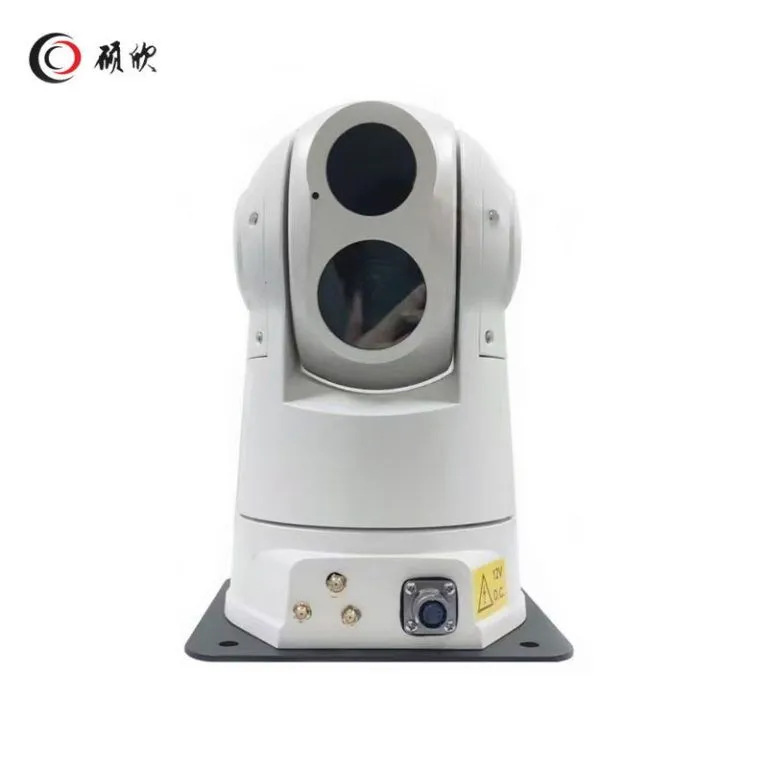
When you put money into top-quality watching gear for key structures, border safety, or police work on the move, the main worry often centers on getting back your investment and keeping things working well. You probably deal with places where if a camera stops, it causes more than a small problem—it opens up a real safety gap. In general, a work-level Pan-Tilt-Zoom (PTZ) camera keeps going for 5 to 10 years, yet this time frame relies a lot on how the parts deal with rubbing from movement, outside weather pressures, and wearing down of the electronic bits. Factors like daily use and care play big roles too, so picking the right model makes all the difference in how long it holds up under tough conditions.
For serious jobs such as spotting forest fires early, checking power stations, or guarding borders, basic tools just do not cut it. You want setups made to last a long time, where each turn of the motor and shift of the lens gets planned for strength. Shuoxin pays close attention to these hard-use situations, making sure your gear beats the usual time frame through better building of moving parts and control of heat inside. This approach helps in places where downtime could lead to big losses, and it gives peace of mind to those who count on steady performance day after day.
The Mechanical Reality of PTZ Longevity
The length of time your PTZ camera works comes mostly from its parts that move. Different from cameras that stay still, a PTZ tool depends on motors inside to carry out turns side to side, ups and downs, and zooms in or out. Steady motion causes the gears to rub and the belts to tire out. That said, good building work can cut down these problems by a good amount.
Wenn Sie eine Shuoxin setup, you go for parts made with careful step motors and strong metal gears. These pieces get built to manage thousands of hours of non-stop turning without dropping their spot-on aim. This matters a lot for jobs like set paths around country lines, where the camera has to go back to the same exact spots every few minutes around the clock. By cutting down the rub inside and using top oils that hold up in very hot or very cold spots, these cameras keep running smooth for years past what cheaper ones do. Such details ensure that even in busy spots with lots of action, the system stays reliable without needing fixes too soon.
Engineering for Mobility: The Vehicle-Mounted Challenge
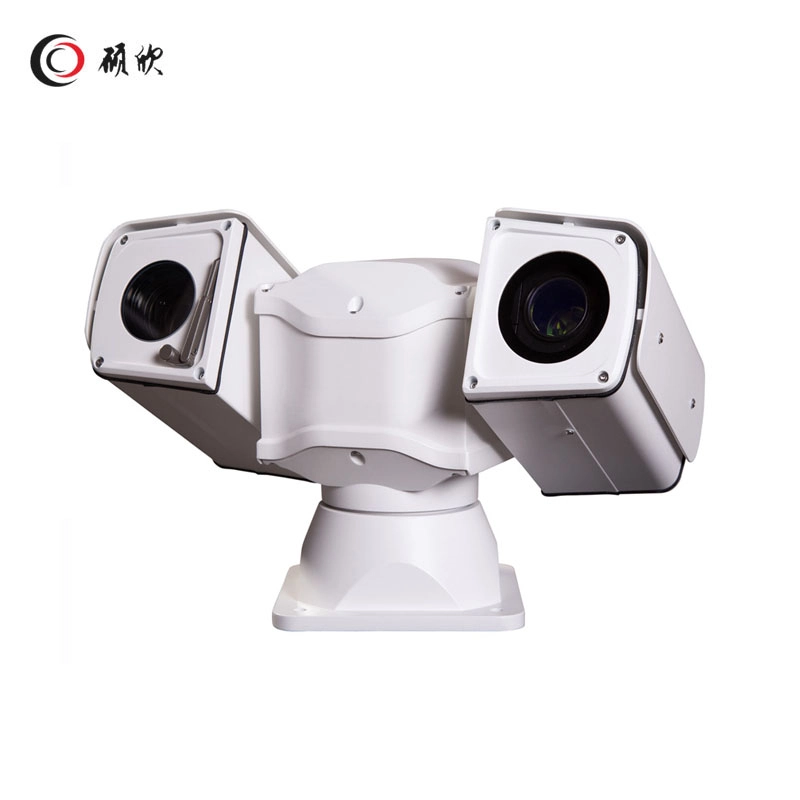
Watching from moving spots brings its own set of hard tests that can make a normal camera wear out faster. If you put gear on police cars or quick-response trucks, the ongoing shakes and fast wind push work like a never-ending check on the camera’s steady parts and motor holders.
Der 500m Nachtsicht Laserfahrzeug PTZ -Kamera gets made on purpose to do well in these rough spots. To make sure it lasts a long time in service, this version has a tough outer shell that takes in the energy from bumpy ground. Normal cameras often quit in car uses because their inside sensors come loose from shaking or their motors give out from trying to fix the motion. This laser-fit PTZ uses a special hang setup to guard its fine light path. In addition, the way it handles daily rough rides without breaking down quickly sets it apart from others, giving users confidence in field work.
On top of that, adding a 500-meter laser light giver offers a clear edge in how long it stays good over usual IR lights. Common lights often get dimmer as time goes on because of built-up warmth. The laser way here keeps the same brightness and sharpness for more time, so your far night views stay clear even after years out in action. This turns it into a perfect pick for fast road watches or country police tasks where seeing far off ties right to keeping safe. Teams find that this lasting light helps in low-light chases or checks, cutting down on guesswork and boosting overall job success rates over long periods.
Thermal Management and Dual-Sensor Efficiency
Warmth stands as the quiet destroyer of watching electronic tools. In outside places like power check spots or dry border paths, inside heat can climb high, causing fuzzy sensor reads and final break of the wires. To last in work settings, you need a hands-on way to let heat out.
Der Neue bi-spektrale Thermal Imaging Dome PTZ Kamera fixes this by putting two strong sensors into one case made for good heat flow. With a two-light way, the setup lets you watch heat marks and normal light at the same time. Heat sensors last well on their own since they do not need outside lights to work, which cuts the power pull on the whole system at night. This built-in savings helps in keeping costs down over time while handling big areas without extra power needs.
Since this piece gets planned for huge outside zones like wood lands or big power nets, it adds a smart cool-down build. The inside parts sit in ways that let air move easy, while the outside cover works like a big heat puller. This stops the inside thinkers from getting too hot, which causes most early breaks in warm areas. When you use heat seeing for catching fires soon or hot spots at a power station, you count on the camera staying cool as the air heats up. In practice, this means fewer breakdowns during peak summer heat or in sunny deserts, where other gear might fail after just a season or two of heavy use.
Environmental Protection Standards for Remote Sites
If your work means watching shore borders or high mountain paths, the weather turns into your worst foe. Salt water spray, thick snow, and lightning hits can wreck a camera in one go if the guard levels fall short.
To make your spending last ten years, Shuoxin puts in TVS 6000V lightning guard and power surge block over its far-reach group. This proves key for cameras up on high sticks in open lands or on metal frames at power spots, which draw strikes like magnets. Also, using IP67 level for weather block keeps water out for good. Once water gets into a PTZ camera, the inside mist and rust on the board parts make it beyond fix. By keeping a tight seal around the light and electric bits, these cameras work fine through heavy downpours or below-zero cold. Such strong guards also handle dust storms in dry areas or high humidity near water, ensuring the gear stands up to whatever nature throws its way over many seasons.
Optimizing Software to Save Hardware
Lasting a long time means more than just the body build; it ties to how the programs handle the parts too. New PTZ setups use clever follow and 3D spot finding to work better. Instead of the camera moving without aim or searching hard for a clear spot—which puts extra strain on the motors—smart math lets the camera jump right to a goal with little shift.
By cutting the full distance the motors go, you really stretch out the time for the moving drive setup. When you set your watching for far jobs, like following a car 200 meters off on a no-go road, the sharp work of the program makes sure the parts do not push too hard. This team-up of code and strong metal lets a top system stay out in the work for years without needing big lifts for fixes. Operators notice that this smart setup reduces wear from random moves, leading to smoother runs and less need for on-site visits, which saves time and money in the long run.
Service and Professional Support
Even the top parts need good backing to work right. Reaching a 10-year run comes from working together between the maker and the user. Shuoxin gives the tech papers and program updates needed to keep your setups safe and working well as tech changes. This ongoing help includes tips on best practices for different weather zones, from hot deserts to cold mountains, ensuring every install fits the local needs perfectly.
Be it running a group of police trucks or a web of far border posts, getting expert advice makes sure the cameras go up and set for top strength. Right placing, good power feed, and steady far checks from afar form the last bits of the lasting puzzle. With this full support, teams can focus on their main tasks without worrying about gear failures, knowing that help is always there for tweaks or upgrades as needs grow over time.
FAQ
Q: Does constant “Patrol” or “Tour” mode shorten the life of my PTZ camera?
A: Yes, steady moving of parts will in time wear down motors and belts. However, Shuoxin cameras use work-strong no-brush motors made for heavy run times. To get the most life, it helps to use “Smart Patrol” tools that start moves only on set times or from sense warnings instead of going non-stop all year without stops. This way, you balance watch needs with part care, keeping the system ready for when it counts most.
Q: How does the laser illuminator compare to standard IR in terms of longevity?
A: Laser light givers tend to hold up better for far uses over 150 meters. Usual IR lights make a lot of warmth and can drop up to 30% of their shine in a few years. Laser parts work better at sending light far with less warmth wear, so your night sights stay fresh for longer. In real use, this means clearer views during long night shifts, helping spot details that might get missed with fading lights on other models.
Q: Can these cameras survive in extreme cold, such as -40°C?
A: Absolutely. For high-place or north border sets, these cameras come with inside warmers and special cold oils. This stops the motors from locking up and keeps the lens glass free of frost and ice, which matters for steady far watches in winter. Such features prove their worth in icy roads or snowy peaks, where keeping clear images helps teams stay alert without constant clean-ups or part swaps.



 German
  English
  Russian
  French
  Japanese
  Korean
  Arabic
  Italian