
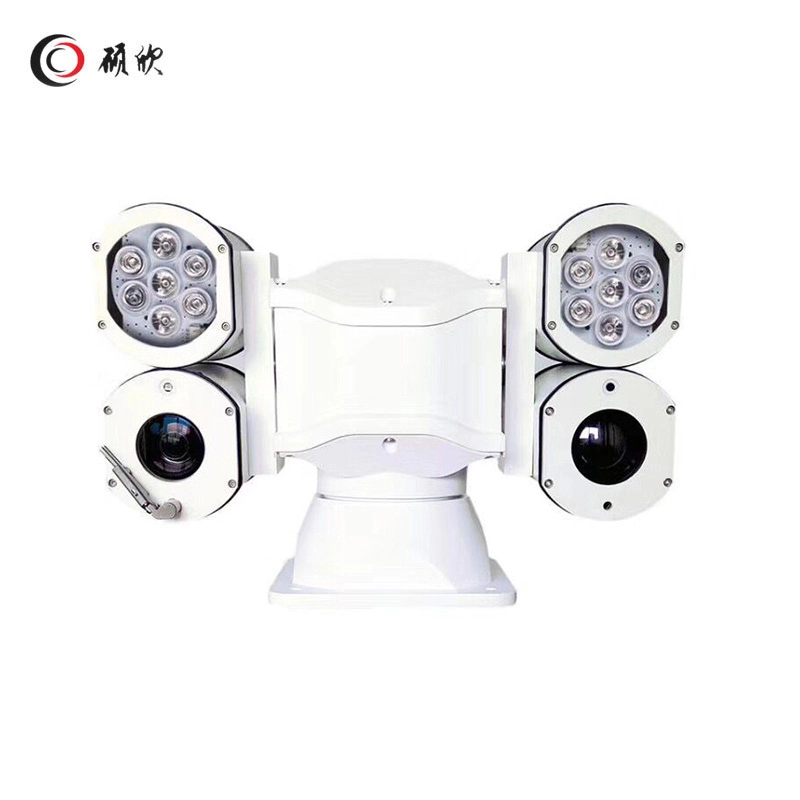
In the tough world of top security, fixed sights no longer cut it. When you handle key setups, watch country borders, or run crisis handling from a moving control center, you need a sight setup that shifts as quick as the events call for. This is where Pan-Tilt-Zoom (PTZ) tech turns into a must-have. Unlike steady systems that hold your view area tight, PTZ cameras bring a lively way to grasp the full picture, so you can follow moving aims, pull close on far dangers, and watch huge areas with just one piece of gear. These cameras make it easy to stay on top of changes in busy spots. Teams find they spot issues faster this way. The tech fits well in daily guard work. It helps cut down on missed chances. Now, let us look at how this works in real tasks. You will see the gains in clear steps.
As you check out the new wave of watching tools, you will see that シュオシン has changed what people can do in far-off checks. By mixing smart heat sensors and exact lenses, these setups give a level of sharpness and handle that old guard systems just cannot reach. This piece looks at why moving up to pro-level PTZ tech is the best path to lock down tough open-air spots. The changes come from better parts and smart plans. Users get more from less work. The full setup boosts team skills. It ties into current tools smooth. Long term, it saves on costs too. We cover each gain below with details on how it fits your needs.
1. Unrivaled Situational Awareness for Vast Outdoor Terrains
The first big win you get from a PTZ system is the chance to see more with fewer tools. In places like woods fire stop or border guard, putting up tons of fixed cameras costs too much and wastes time. A PTZ camera gives a full 360-degree steady spin, so you can look over the whole skyline from one spot. This wipes out the “dark areas” that bad guys use in fixed plans. You cover ground that would need many steady units. This cuts setup work and wire runs. Teams watch wide lands with ease. The spin lets you check all sides quick. No gaps mean better full views. In fire spots, it scans for smoke early. Borders get full line sights. The one unit does jobs of several. This saves space and power too.
When you work to shield a power spot or a long shore line, the quick turn of the camera matters a lot. Pro systems use fast motors that let you move the lens in a split second. This skill makes sure that if a picker sets off a warning a kilo away, you can turn the camera to that spot right away to check the danger. The motors run smooth and strong. They handle turns without lag. Pickers tie to alarms for fast starts. You get views in seconds. This helps in quick replies. For big sites, it spots far issues fast. Teams act before problems grow. The full circle adds to peace of mind. Daily use shows real speed gains.
For folks needing the top of far sight and sharpness, the マルチスペクトル長距離サーマルPTZカメラ stands out as a top pick. This exact model is built for the roughest spots, giving the power to find things miles off. Be it checking a far hill path or a key sea route, this gear makes sure no move slips by, no matter the land size. The heat part spots warm signs in dark or bad weather. Multi colors add layers for better checks. It works in rain or fog well. Far reach covers big zones. Teams use it for night watches. The build holds up in wind and cold. Setup is simple on towers or cars. This model fits pro needs perfect. It boosts guard levels high.
2. Mastering Visibility in Total Darkness and Harsh Weather
Sight is seldom spot on in the work area. As a guard worker, you face thick mist, hard rain, or the full black of a country night often. Basic lens cameras drop in these states because they need bounced light. To keep a safe edge all day and night, you have to use the heat wave range. Heat seeing picks up warm marks over light, so you can “spot” a person or car by their temp gap against the cool back. This works through walls or trees too. It spots hidden moves. Teams get warns early. The tech cuts blind times. No light needed makes it great for dark zones. Daily, it aids in full checks.
This tech edge is a main idea in the シュオシン way of thinking. By joining clear light sensors with touchy heat finders, these cameras bring “Bi-Spectral” skills. This means you get the top from both sides: a heat feed that shows a possible bad guy through thick haze or leaves, and a lens feed that gives the sharp details needed to name the aim once it comes in view. The mix gives full info. Heat finds far, lens names close. It works in smoke or night. Users switch feeds easy. This setup boosts check power. For borders, it spots crossers quick. In fires, it finds hot spots fast.
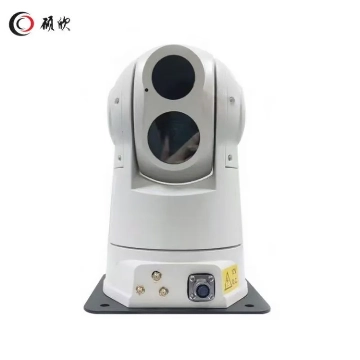
If your work includes moving watches, like putting gear on police cars or crisis trucks, the 新しいバイスペクトルサーマルイメージングドームPTZカメラ is a special fix. Its small dome shape is set for wind hold and shield from weather while giving the two-sensor work needed for big law and round tasks. By picking this tech, you make sure your group stays strong even when nature tries to block your finders. The dome cuts wind drag. It mounts firm on cars. Heat and light work together. This fits fast moves well. Police use it in chases. Crisis teams get clear views on roads. The build takes bumps and shakes. Setup runs on car power. This adds safety in tough spots.
3. Precision Zoom and Long-Range Identification
Far space is the biggest test in open-air guard. Watching an edge from 150 meters is basic, but real far-off watching often needs naming details at 2 kilos or more. The “Zoom” in PTZ is not just about growing an image; it is about keeping enough clearness to make the info useful. Good lens glass and exact auto-focus steps are what split pro gear from starter stuff. The zoom pulls in sharp without blur. It keeps lines and colors true. Users see small marks far. This aids in naming aims quick. Teams make calls based on clear pics. The tech beats digital crops. It works in low light too.
When you use a strong PTZ, you can watch a odd car at the side of a no-go area and zoom to read its plate or see the load. In fields like power net checks, this lets techs look at high-power holders on a send tower from a safe spot on ground, finding breaks or hot parts before a fail hits. This ahead way saves time and stops risky hand looks in hard-to-get places. The far zoom keeps safe space. Plates show clear at range. Holds get checked without climbs. This cuts risks for workers. Daily, it spots issues early. Teams fix before big problems. The full view aids planning too.
The mix of smart lenses in the シュオシン item line makes sure that even at full pull, the image holds steady. Top models often add electric or lens image hold to fight shakes from strong winds or the shift of the car the camera sits on. This steady hold is key to keep a “grip” on an aim in a chase or a long watch task. The hold cuts wobbles. Winds do not blur views. Car moves stay smooth. Aims lock firm. This helps in fast work. Users trust the clear feed. For long looks, it keeps details sharp. Teams gain from this daily.
4. Intelligent Tracking and Automated Patrols
Hand control works fine, but your guard staff cannot cover all spots at once. New PTZ systems fix this by giving auto round paths and smart follow. You can set the camera to loop through a set of “saved spots”, exact places that watch the weak points of a site, like a door, a fuel hold tank, or a wall line. The camera will shift between these places on its own, stopping at each to let for a full sight check. The paths run on timers. They cover key areas full. No human watch needed for basics. This frees staff for big tasks. Sites stay checked round the clock. The auto side boosts full cover.
Plus, when the system picks up move through its AI-based program, it can take over on its own. If a person steps over a make-believe “wire” near a border wall, the PTZ camera will grab that warm mark and follow the person’s way across the sight area. This “Smart Follow” makes sure you have a steady record of the event without a person worker needing to touch a stick. This auto work is very handy in woods fire stop, where the camera can look over the skyline for the exact warm sign of a small fire and right away warn the control hub of the spot GPS spots. The AI spots real threats. It skips wind or animals. Follows hold on paths. Records save full acts. Alerts hit fast. For fires, it finds starts early. Borders get quick locks. This cuts work load big. Teams reply better with info.
5. Built for the Extremes: Durability and Service
The places where these cameras work are often rough. Shore areas bring salt-full air that eats metal, while sand land jobs face wild heat and thin dust. A guard system is only as good as its power to live through the weather it guards. Pro PTZ shells are made from plane-level metal and covered with anti-eat coats to make sure a long work life. The metal holds strong in salt. Coats block rust well. Heat parts work in highs and lows. Dust seals keep insides clean. This build fits wild spots. Teams get years of use. Fixes drop low. The tough side saves money long run.
シュオシン knows that the gear is just one side of the math. Solid guard needs a team link. When you put money in these top heat and multi-color systems, you also get a help frame set to keep your key tasks going. From aiding you pick the right lens lengths for your land to giving tech tips for hard links, the aim is to give a full guard fix over just a lone item. The help starts with site checks. They plan fits exact. Tech guides cover steps. Links work with old tools. This full aid builds strong ties. Users feel backed full. Missions run smooth always.
よくあるご質問
Q: Why is a bi-spectral camera better than a standard thermal camera for long-range patrol?
A: A standard thermal camera is excellent for detection, but it often lacks the fine detail needed for identification. A bi-spectral PTZ camera allows you to use the thermal sensor to find a heat signature in total darkness or fog, and then use the high-resolution optical sensor to see colors, text, or facial features once the target is visible. This dual-layer information is essential for making accurate decisions in security and law enforcement. The heat side spots far in bad light. The lens adds names close up. This mix gives full pics. Teams act on true info. It fits patrols well. No guess work in dark. Daily use shows clear wins.
Q: Can these PTZ cameras be used effectively on moving vehicles like police cars?
A: Yes. Specifically designed dome PTZ models are engineered with stabilization technology and robust mounting systems to handle the vibrations and wind resistance associated with moving vehicles. These cameras allow patrol teams to maintain 360-degree visibility and thermal detection capabilities while on the move, which is a major advantage for search and rescue or pursuit operations. The hold tech cuts shakes. Mounts grip firm on speeds. Full spins work on roads. Heat finds aims in motion. This helps chases and saves. Teams see clear always. The fit boosts car guard.
Q: What is the maximum distance these cameras can monitor for forest fire prevention or border security?
A: The range depends on the lens configuration and the sensor resolution, but professional long-range PTZ systems can detect human-sized heat signatures from several kilometers away and vehicle-sized objects even further. For applications like forest fire prevention, the sensors are tuned to detect small hotspots across vast valleys, often covering distances well beyond 5 to 10 kilometers depending on the line of sight. Lens picks set the reach. Sensors catch small heats far. Woods get early warns. Borders watch lines long. Sight lines add to max. This covers big lands well. Teams plan with this range. It fits wide tasks perfect.



 Japanese
  English
  Russian
  French
  Korean
  Arabic
  German
  Italian