
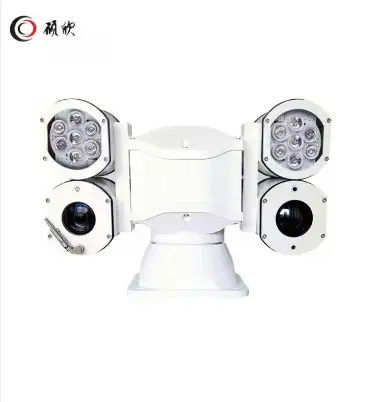
ما هو التصوير بالأشعة تحت الحمراء؟
التصوير بالأشعة تحت الحمراء يساعد على تحسين كيفية رؤيتنا في الضوء الضعيف. يلتقط ضوء الأشعة تحت الحمراء الذي يرتد من الأشياء القريبة. يحتاج هذا الإعداد إلى القليل من الضوء الطبيعي أو ضوء الأشعة تحت الحمراء الإضافي للعمل بشكل صحيح. بسبب ذلك ، يصبح أقل فائدة في الظلام الكلي أو مع حواجز مثل الدخان أو الضباب السميك.
كاميرات الأشعة تحت الحمراء تعمل بشكل أفضل في وظائف المراقبة القريبة حيث يمكنك إضافة أضواء مصنوعة من صنع الإنسان. الناس يستخدمونها كثيرا للتحققات الخارجية البسيطة. وتشمل هذه الكاميرات على المركبات لمساعدة القيادة الليلية ، وإدارة حركة المرور ، أو النظر إلى الحواف مع وجود بعض الضوء. ومع ذلك ، فإنها تقصر لأنها تلتقط أشعة الأشعة تحت الحمراء المرتدة بدلا من الأجسام الدفئة الحقيقية التي تعطيها. وهذا يمنعهم من العودة إلى مناظر مظلمة أو مخفية حقيقية.
لفهم هذا بشكل أفضل ، فكر في الاستخدامات اليومية. على سبيل المثال ، في موقف سيارات في الغسق ، قد ترى كاميرا الأشعة تحت الحمراء سيارة بوضوح إذا ساعدت أضواء الشارع. ولكن إذا انطفأت الأضواء تمامًا ، فإنها تكافح. هذا’ القضية الأساسية هي الاعتماد على الانعكاس بدلا من الانبعاثات.
ما هو التصوير الحراري؟
التصوير الحراري يميز نفسه عن الأشعة تحت الحمراء. يستشعر الأشعة تحت الحمراء الطويلة الموجة التي تأتي من الحرارة في الأجسام ، وليس الضوء الذي يعكس عليها. وهذا يحوله إلى خيار قوي لمشاهدة ومشاهدة في الظلام أو الطقس السيئ مثل الضباب أو المطر أو الدخان.
التصوير الحراري يظهر اختلافات الحرارة في المنظر. وهذا يتيح لك العثور على أهداف مخفية أو مخفية، مثل الأشخاص الذين يختبئون في المصانع أو النقاط الساخنة في خطوط الكهرباء. إنها تقف لوحدها دون الحاجة إلى أضواء مرئية. هذا’ لماذا تناسب بشكل جيد للتحققات المستمرة والمقاومة للطقس على مساحات مفتوحة واسعة.
فكر في سيناريو في ليلة ضبابية. لا تزال الكاميرا الحرارية تحدد الشخص المشي بحرارة جسده ، في حين تفشل المعالم الطبيعية العادية. هذا النهج القائم على الحرارة يفتح الأبواب للكشف الموثوق به حيث يتوقف الآخرون.
آلية الكشف وإنتاج الصورة
الانقسام الأساسي بين هذه التقنيات يظهر في كيفية إحساسهم وعرض الصور. كاميرات الأشعة تحت الحمراء تعمل في المنطقة القريبة من الأشعة تحت الحمراء. غالبا ما يضعون صورا أسود وأبيض تبدو مثل مقاطع التلفزيون المراقبة القياسية. هذه تعتمد على الضوء المحيط بها وتسلط الضوء في الغالب على مظهر السطح وكيفية ارتداد الأشياء الضوء.
الكاميرات الحرارية تستخدم أجهزة استشعار أكسيد الفاناديوم التي لا’ تحتاج إلى تبريد. يشعرون بالأشعة تحت الحمراء الموجة الطويلة في النطاق 8-14 ميكرومتر عادة. يستشعر أكسيد الفاناديوم الحراري المدمج في 640 × 512 بكسل يعمل في منطقة 8-14 ميكرومتر. ويلاحظ أن التحولات الحرارية صغيرة حتى < 35 ميل. لذلك ، فإنه يخلق صور من المنحدرات الحرارية ، والتي تظهر في مجموعات ألوان مثل الأبيض الساخن أو الأسود الساخن أو الأحمر الحديدي. وهذا يعطي نظرة أكثر وضوحاً على علامات الحرارة عبر المشهد بأكمله.
الآن، لقطات مراجعة الصور. قد تظهر الأشكال بالأشعة تحت الحمراء ولكن تفوت تفاصيل الدفء. الحرارية ، ومع ذلك ، ترسم خريطة حرارية تكشف المزيد عن ما ’ الساخنة أو الباردة، مساعدة الأحكام السريعة.
الأداء في بيئات صعبة
عندما يتم حظر البصر بسبب الظلام أو الدخان أو الطقس القاسي ، فإن التصوير الحراري يفوز معدات الأشعة تحت الحمراء في كل مرة. أجزاء حرارية don’ t الاعتماد على الأضواء الخارجية. إنهم يستمرون في الذهاب بقوة في انقطاع كامل أو عندما تثير البيئة المحيطة المشاكل.
تسمح هذه المهارة الحرارية في نطاق الضوء 8-14 ميكرومتر بالكشف المستمر بغض النظر عن إعداد الضوء. يجعلها مثالية للأمن الذي يعمل ليلا ونهارا. كاميرات الأشعة تحت الحمراء تحتاج إلى أضواء الأشعة تحت الحمراء إضافية لإدارة الليالي بشكل جيد. إنها تقريبا تفشل عندما تصل البصر إلى الصفر.
هذا’ لماذا الاختيارات الحرارية تناسب مهام صعبة خارجية مثل تتبع حرائق الغابات وحماية الحدود ومسح الحواف الطويلة عن بعد. في الحقول التي تمسحها الأمطار، على سبيل المثال، تقطع الحرارة حيث تتضمس الأشعة تحت الحمراء.
قدرات النطاق والحساسية
التصوير الحراري يبرز للكشف عن بعد والالتقاط التحولات الحرارية الصغيرة. غالبا ما يبقى شعور الحرارة أقل من 35mK. مع أجهزة استشعار واضحة إلى 640× 512 بكسل، هذه الأدوات التقاط الناس أو السيارات من مئات الأمتار - حتى في الظلام.
يعطي جهاز WL-TW10-HD-RCX زوم بصري 33 مرة (رقمي 16 مرة) ومجال رؤية جانبي من 57 درجة إلى 1.7 درجة. وهذا يتيح النظر عن قرب من بعيد. في الوقت نفسه، يتم تغطية معدات الأشعة تحت الحمراء بحاجة إلى ارتداد الضوء. لذلك ، فإنه ينخفض في مسافات طويلة أو مزيجات غامضة.
في اختبار هذا ، يلاحظ المشغلون تفاصيل الاحتفاظ الحراري عند 300 متر على الشخص ، في حين تتلاشى الأشعة تحت الحمراء أكثر من 50 في ضوء منخفض. وهذه الثغرات مهمة في الدوريات المفتوحة.
حالات الاستخدام لكاميرات الأشعة تحت الحمراء
كاميرات الأشعة تحت الحمراء تتطابق مع بقع مع ضوء جيد وتحتاج إلى فحص بصري واضح في مسافات عادلة. وتغطي هذه الجولات السيارات على مسارات المدينة ومواقع المراقبة البسيطة بالقرب من المناطق المحيطة بالسياج مع الضوء القريب.
إنها تكلفة أقل وتسهل الإعداد ، لذلك فهي تخدم كخيارات أساسية للوظائف بدون احتياجات الطقس البري أو المدى البعيد. ولكن عندما ينمو الدفع إلى العمل الأفضل - على الأراضي المتدهورة أو الحقول الضخمة - تظهر جوانبهم الضعيفة.
وغالبا ما تختارها فرق الأمن الحضري للشوارع المضاءة، حيث تظهر التفاصيل مثل لوحات الترخيص بشكل جيد. ومع ذلك ، في الإعدادات البرية ، تتصل الترقيات قريباً.
حالات الاستخدام للكاميرات الحرارية
التصوير الحراري يثبت المفتاح حيث يحسب التلوث المؤكد على فترات كبيرة والبقع الصلبة. وتشمل الأمثلة إعدادات وقف الحرائق في الغابات، ومناطق مراقبة الحدود على بعد كيلومترات، وفحص خطوط الطاقة العالية، والإنفاذ القائم على المركبات.
خذ كاميرا PTZ للتصوير الحراري طويل المدى متعدد الأطياف بالتصوير الحراري متعدد الأطياف. إنه يجمع بين المرئية والحرارية والأشعة تحت الحمراء واختيار أجهزة استشعار الليزر في واحد. يمكن لـ WL-TW10-3L عقد الكاميرا الحرارية والليزر والأشعة تحت الحمراء والكاميرا المرئية. العرف يريد العمل بشكل جيد. هذا يخلط بيانات المستشعر لتحسين فهم المشهد على مناطق عمل واسعة مع أرض صعبة.
في عمليات الحدود ، يكتشف هذا الاندماج الحركة حرارياً ثم يزيد وضوحها للهوية ، مما يوفر الوقت ويقلل التنبيهات الكاذبة.
ثنائي الطيف طويل المدى التصوير الحراري PTZ الكاميرا نظرة عامة
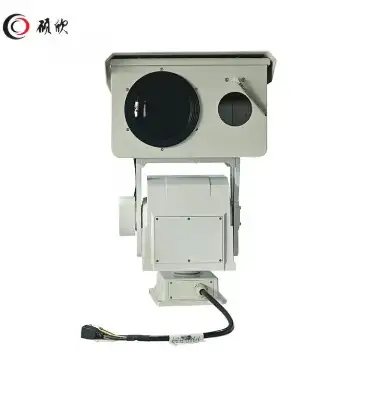
أداة الساعة المرنة العليا هي كاميرا PTZ للتصوير الحراري ثنائي الطيف. تشكل WL-HT-HD-RCX إجابة ساعة ذكية ذات طيفين. يربط التقاط الضوء المرئي الصلب بقوة بقعة حرارية قوية. هذا يزوج جزء ضوء مرئي كامل HD مع مستشعر حراري أكسيد الفاناديوم في الموجات تحت الحمراء الطويلة.
تغطي السمات الرئيسية التكبير البصري 33 مرة (5.5-180 مم) ، ودور 360 درجة مع سرعات تعيين سريعة إلى 300 درجة / ثانية ، ووظائف نقطة ذكية مثل إشعارات تقاطع الحافة ومطابقة الوجه. الكاميرا’ مجموعة التحقق الذكية تعطي مهارات واسعة النطاق. وتشمل هذه المباراة الوجه، وإشعارات الفراغ الحافة، ومراقبة المجموعة، والصوت التقاط.
هذه القوة المكونة من جزئين تبقي معرف الهدف ثابتًا في حالات ضوئية متنوعة - تشغيل النهار مع التكبير البصري أو الساعة الليلية مع الحس الحراري. المستخدمين في ضوء مختلط يثني على سهولة التبديل.
فوائد التصميم المتكامل متعدد المستشعرات
بالنسبة للخطط التي تحتاج إلى طبقات مزيد من المعلومات والانحناء في أماكن مختلطة ، تعطي إعدادات الطيف المتعدد أقصى قدرة. ينضمون إلى الكاميرات المرئية لتنظيف أجهزة الاستشعار الحرارية. غالبا ما يضيفون أدوات المسافة الليزرية أو أجزاء الضوء تحت الحمراء المعززة.
هذا المزيج يسمح بالتزوم المتطابق عبر أنواع المستشعرات ودبوس المكان الحقيقي للأهداف بعيدًا. لنقول، يأخذ WL-TW10-3L ليزر 808nm مستورد للتزوم المتطابق. يضبط الزاوية بحجم التكبير. هذا يبني تدفق مستخدم سلس في تسمية وتتبع المواضيع على مناطق كبيرة مثل مراكز الطاقة أو الشواطئ.
الفوائد تلمع في عمليات الفريق، حيث تتعامل وحدة واحدة مع وجهات نظر متعددة، وقطع متاعب الإعداد.
سيناريوهات التطبيق للأنظمة متعددة الطيفات
قواعد متعددة الطيف تناسب الأماكن التي تفتقر فيها معدات المستشعر الوحيد. هذه الضربة:
- إعدادات الطاقة البعيدة حيث العثور السريع على الأجزاء الساخنة يهم أكثر.
- مناطق حرس الحدود بحاجة إلى مراقبة مستمرة على بعد بضعة كيلومترات.
- الغابات المحتملة للحريق حيث تحتاج غروب الحرارة إلى الصيد المبكر.
- وظائف قانون البحر التي تتطلب البصر من خلال ضباب المياه والساعات المظلمة.
مع درجات درع قوية IP66 وخصائص صافية للضباب في الداخل ، تأخذ هذه الكاميرات الهواء الخام بينما تسلم التفاصيل الدقيقة. تظهر التقارير الميدانية أنها تستمر سنوات في سواحل رش الملح.
التوسع في كل، فحص الطاقة عن بعد تستخدم الحرارة لإعلام الأخطاء قبل التوقف. الحدود تستفيد من المسحات الضوئية الواسعة التي تتجاهل التخفيف. تتلقى الغابات تنبيهات عن الدخان الصغير. تتبع فرق البحر القوارب في الضباب ، مما يعزز السلامة.
الظروف البيئية والمتطلبات التشغيلية
اختيار التكنولوجيا يعتمد كثيرا على مكان عملك. إذا قمت بتفتيش المركبات الليلية على طرق المزرعة أو مراقبة خطوط عبر مناطق الأشجار ، فإن احتياجات البقع الحرارية تبرز.
حيث يتم فحص البصر لأجزاء البند بعد ملاحظة أجزاء الحرارة الغريبة - مثل التقاط الدخولات غير المسموح بها أو بدء الحرائق - تساعد الإجابات الحرارية أكثر.
قد تفعل الأشعة تحت الحمراء إذا كانت منطقتك تحمل أضواء ثابتة وقليل من كتل البصر. ولكن في البرية المتغيرة ، غالبا ما تحتاج إلى نسخ احتياطي.
نطاق الكشف المطلوب والقرار
إذا كانت الساعة تمتد أكثر من 150 مترًا - نموذجيًا للمواقع الحدودية أو المنحدرات - تبدو المعدات الحرارية مع دقة واضحة مثل 640 & # 215 ؛ 512 دورات يجب أن يكون. يتركون رؤية ما تتخطى العيون العارية أو العدسات الأساسية.
في الحالات التي يعمل فيها الوصول العادل ولكن يحسب الهوية ، تقدم اختيارات الطيف الثنائي مسارًا منتصفًا عادلًا. يمكنك الحصول على خلفية بصرية وعرض حراري بدون إنفاق كامل على مجموعات أجهزة الاستشعار المتعددة.
بالنسبة لفرق الحدود، يعني ذلك رصد الوجوه على بعد 200 متر ثم تأكيد الوجوه، كل ذلك في أداة واحدة.
قيود الميزانية مقابل احتياجات الأداء
ويظل وزن قوة العمل مقابل السعر مصدر قلق كبير. إجابات الأشعة تحت الحمراء غالبا ما تكلف أقل مقدما. لكن قبعاتهم قد تسحب إضافات مكلفة إلى أسفل الخط.
ومع ذلك، تجلب المعدات الحرارية المرتبطة قيمة دائمة من خلال البناء الصعب والتناسب القوي في الأماكن غير المؤكدة. المهارة في وضع قطع أقل مع امتداد المزيد من الأراضي تقلل أيضا من تكاليف البناء مع مرور الوقت.
على مر السنين ، توفر الحرارة عن طريق قطع الرحلات الكاذبة ومكالمات الإصلاح ، وفقًا لتعليقات المستخدم.
لماذا تختار Shuoxin لاحتياجات التصوير الخاصة بك؟
شوكسين يوفر أنظمة رؤية متطورة مصممة لمهام ميدانية صعبة - من حرس الشاطئ إلى عمليات مكافحة الحرائق. تشانغجو شوكسين التكنولوجيا الإلكترونية المحدودة تعمل كشركة تكنولوجية مفتاحية في خطة وبناء أجزاء نظام ساعة الأمن الذكية. تظهر مهاراتهم في بناء كل صف منتج مع كاميرات PTZ الأمامية في الطاقة ثنائية الطيف ومتعددة الطيف.
المواد تواجه اختبارات صارمة تحت قواعد صارمة. قاموا بتطهير ISO9001 جودة الإشارات لدعم التشغيل بدون توقف في الإعدادات القاسية. شوكسين’ التركيز على الدليل في العالم الحقيقي يميزهم في الأسواق المزدحمة.
من التصميم إلى النشر ، تضمن عملية التروس تلبية الاحتياجات المتنوعة ، مثل التثبيتات المخصصة للمركبات أو الأعمدة الثابتة.
استشارات ما قبل البيع خيارات التخصيص
سمة رئيسية هي مهاراتهم لتناسب الأنظمة مع رغبات المشتري - من خطط العدسات إلى خيارات الطاقة - قفل أفضل تشغيل ميداني. توجيه الفرق من المواصفات إلى الاختبار ، وتجنب عدم التطابق.
الدعم الفني لما بعد البيع الصيانة
المساعدة المستمرة يحتفظ شرائك في شكل أعلى مع صدمات البرمجيات، جزء الصفقات، والمساعدة التقنية المحترفة على كل أداة’ حياة كاملة. الإصلاحات عن بعد والزيارات في الموقع تبقي وقت التوقف منخفض.
اتصل Shuoxin
للتحقق من الإجابات الأمنية المخصصة أو الحصول على محادثة محترفة على خطتك تريد، رأس إلى موقعهم الرئيسي هنا. تؤدي الدردشات السريعة إلى اقتباسات مصممة خصيصا بسرعة.
الأسئلة الشائعة
س: هل يمكن للتصوير الحراري العمل بفعالية في الضباب الغزير أو المطر؟
ج: نعم. وبما أنه يكتشف الحرارة المنبعثة بدلا من الضوء المنعكس، فإن التصوير الحراري يبقى عمليا حتى من خلال الضباب أو الدخان أو الأمطار. الاختبارات الحقيقية في العواصف تؤكد وجهات نظر واضحة.
س: ما هو الحد الأقصى الذي يمكنني توقعه من كاميرا حرارية طويلة المدى؟
ج: اعتمادا على العدسة المستخدمة (على سبيل المثال ، 50 مم) ، يمكن لنماذج مثل WL-TW10-HD-RCX الكشف عن أهداف بحجم الإنسان على مسافات تتجاوز عدة مئات من الأمتار حتى في الظلام الكلي. عوامل مثل التضاريس تؤثر على الوصول الدقيق.
س: هل من الممكن الجمع بين الضوء المرئي وأجهزة الاستشعار الحرارية في جهاز واحد؟
ج: بالتأكيد. تقدم نماذج الطيف المزدوج مثل WL-HT-HD-RCX كل من فيديو الضوء المرئي HD والكشف الحراري عالي الحساسية داخل نظام متكامل واحد. هذا المزيج يعزز الكفاءة العامة.



 Arabic
  English
  Russian
  French
  Japanese
  Korean
  German
  Italian